Adventuring on Fort Peck’s Winter Ice
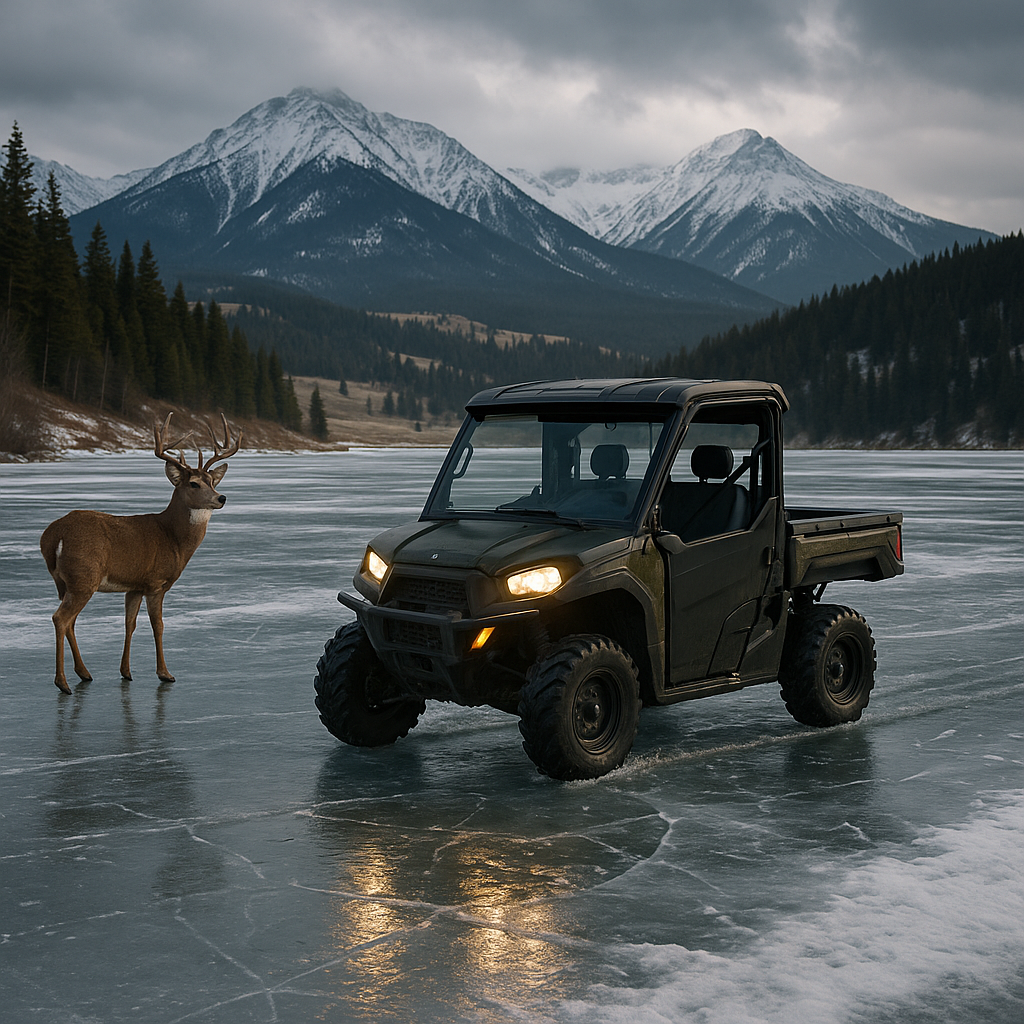
Montana’s Fort Peck Reservoir is a stunning destination year-round, but winter transforms its vast surface into a frozen playground. Riding side-by-side vehicles across the ice offers a unique way to experience the reservoir’s beauty and ruggedness. However, the ice can be unpredictable, demanding respect for both the environment and safety protocols.
Quick Takeaways
- Ice conditions on Fort Peck can vary abruptly—thickness and stability are not uniform.
- Side-by-side vehicles provide exciting access but require cautious navigation.
- Proper safety gear and preparation are essential before venturing onto the ice.
- Local knowledge and recent weather reports should guide travel plans.
- Emergency readiness, including communication devices, can save lives.
Understanding Ice Conditions on Fort Peck Reservoir
Fort Peck’s ice forms over a vast and complex water body, influenced by fluctuating temperatures, wind, and water currents. Reports indicate that ice thickness can range from strong, solid sheets to fragile patches within short distances. This variability creates a challenging environment for side-by-side vehicle riders.
Riders should be aware that clear, blue ice is generally stronger than white or opaque ice, which is often weakened by snow or air pockets. Additionally, areas near inlets, outlets, and submerged structures tend to have thinner ice.
Preparing Your Side-by-Side for Winter Ice Riding
Before venturing out, ensure your side-by-side vehicle is winter-ready:
- Check tire condition and consider studded tires for better traction.
- Test brakes and steering responsiveness in cold conditions.
- Carry recovery gear such as tow straps, ice picks, and a winch if available.
- Pack emergency supplies including a first aid kit, warm clothing, and food.
- Bring communication devices like a fully charged cell phone or satellite messenger.
Safety Protocols for Riding on Ice
Safety is paramount when navigating frozen reservoirs. Consider the following guidelines:
- Travel with a partner or group; solo rides increase risk.
- Inform someone on land about your route and expected return time.
- Test ice thickness frequently with an auger or ice chisel as you progress.
- Stay clear of open water, cracks, slushy areas, and pressure ridges.
- Move slowly to avoid sudden stress on the ice surface.
What This Means for Montana
Fort Peck Reservoir remains a treasured Montana resource for outdoor recreation, especially during the long winter months. Side-by-side rides across its winter ice offer thrilling access to remote fishing spots and scenic vistas. Yet, the unpredictable nature of the ice serves as a reminder of the ongoing need for education and preparedness.
Local outdoor enthusiasts and visitors alike must balance adventure with caution to preserve safety and protect Montana’s natural assets. Responsible practices on icy terrain not only prevent accidents but also uphold the tradition of respect for Montana’s wild landscapes.
Conclusion
Exploring Fort Peck Reservoir’s winter ice by side-by-side vehicle delivers a memorable experience steeped in Montana’s rugged charm. By understanding ice conditions, preparing properly, and following safety protocols, riders can enjoy this unique adventure while minimizing risks.
Photo Credit: Don Wilkins, Montana Outdoor
Inspiration: Montana Outdoor