Quick takeaways
- Federal authorities have ordered the update or removal of some interpretive signs in Glacier National Park and Little Bighorn Battlefield.
- The move is part of a nationwide review to ensure information is accurate and culturally sensitive.
- Potential impacts on local tourism, education, and historical interpretation in Montana.
- No specific timeline for replacement signs has been set yet.
Background: Why the Signs Matter
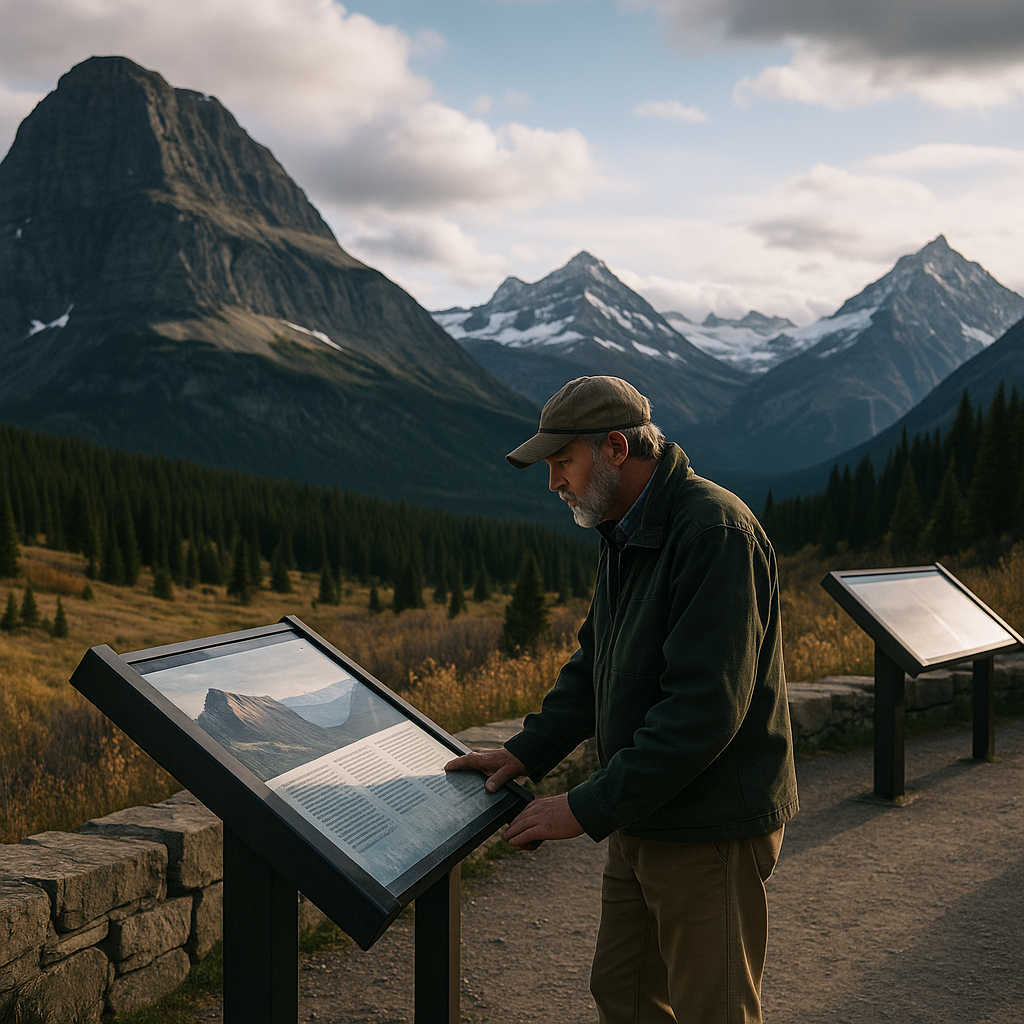
Interpretive signs are a familiar sight to anyone who’s spent time in Montana’s national parks and historic sites. These markers offer visitors insights into the landscape, wildlife, and the complex history of places like Glacier National Park and the Little Bighorn Battlefield National Monument. From geology to the stories of Indigenous peoples, interpretive signs help shape the experience and understanding of millions of visitors each year.
Recently, federal officials have ordered a review and, in some cases, the removal or rewriting of certain interpretive signs at these iconic Montana sites. The reported aim: to ensure all content is both historically accurate and respectful of diverse cultural perspectives.
What’s Driving the Changes?
According to reports, the National Park Service and other federal agencies have undertaken a nationwide review of park signage. This process responds to concerns that some signs may present outdated, incomplete, or culturally insensitive information. The review includes input from Tribal representatives, historians, and subject matter experts.
In Montana, the focus has landed on Glacier National Park and the Little Bighorn Battlefield, sites rich in both natural beauty and complex human histories. Recent scrutiny has centered on how Indigenous histories and perspectives are represented—or overlooked—on existing signs.
Which Signs Are Affected?
While full details are still emerging, reports indicate that several signs in both parks referencing major historical events, tribal nations, and natural features are slated for change. Some may be removed pending review, while others will be updated to reflect a broader range of historical sources and perspectives.
- Signs describing the Battle of the Little Bighorn may see language changes to better represent Native viewpoints.
- Markers in Glacier National Park could be revised to include more information about the Blackfeet and other tribes with deep connections to the land.
Neither park has released a comprehensive list of affected signs or a timeline for the changes. Park officials have stated that the process will involve consultation with Tribal partners and historical experts.
Montana Voices and Reactions
The decision has sparked a range of reactions across Montana. Some local historians, Tribal leaders, and educators see the move as long overdue—a chance to correct longstanding gaps or mischaracterizations in public information. Others worry about the potential loss of historically significant content or the temporary absence of interpretive materials for visitors.
Tourism operators, too, have voiced concerns about how these changes may impact visitor experiences, especially during the busy summer season. Accurate and engaging interpretation is a key part of Montana’s outdoor economy, helping travelers connect with the state’s history and landscapes.
What This Means for Montana
For Montana’s hunting, fishing, and ranching communities, these changes are more than just a matter of signage—they’re about how Montana’s story is told and who gets to tell it. Accurate, inclusive interpretation can deepen appreciation for the land and its history, benefitting both residents and visitors.
Here’s what to watch for in the coming months:
- Temporary Gaps: Some areas may have signs removed before replacements are ready. Visitors should look for online resources or ranger-led programs in the interim.
- More Inclusive Stories: Expect future signs to include greater detail on Indigenous histories, cultural connections to the land, and the natural resources that have sustained Montanans for generations.
- Community Input: Park officials have signaled an openness to community feedback. Montanans interested in the process can reach out to park offices or participate in public comment periods.
Looking Ahead
As Montana’s public lands continue to draw visitors from across the globe, the accuracy and inclusivity of interpretive signs will remain a key topic. For now, parkgoers might notice some gaps or new signage in familiar places. The goal, according to federal officials, is a more complete and respectful telling of Montana’s history—one that recognizes the deep roots of Tribal nations alongside the state’s famed landscapes and wildlife.
Updates and official announcements are expected in the coming months. For the latest, keep an eye on the Glacier National Park website and Little Bighorn Battlefield updates.
Inspiration: “glacier national park” – Google News (link).