Yellowstone Wildlife Encounters: Why Distance Means Safety for Montanans

By [Your Name]
Quick takeaways
- Recent reports indicate a tourist was injured after getting too close to a wild animal in Yellowstone.
- Wildlife in Montana and greater Yellowstone can run much faster than humans.
- Staying a safe distance from animals is required by law and vital for safety.
- These incidents impact locals, visitors, and the reputation of Montana’s public lands.
- Education and vigilance remain the best protections against wildlife-related injuries.
The Incident: A Cautionary Tale from Yellowstone
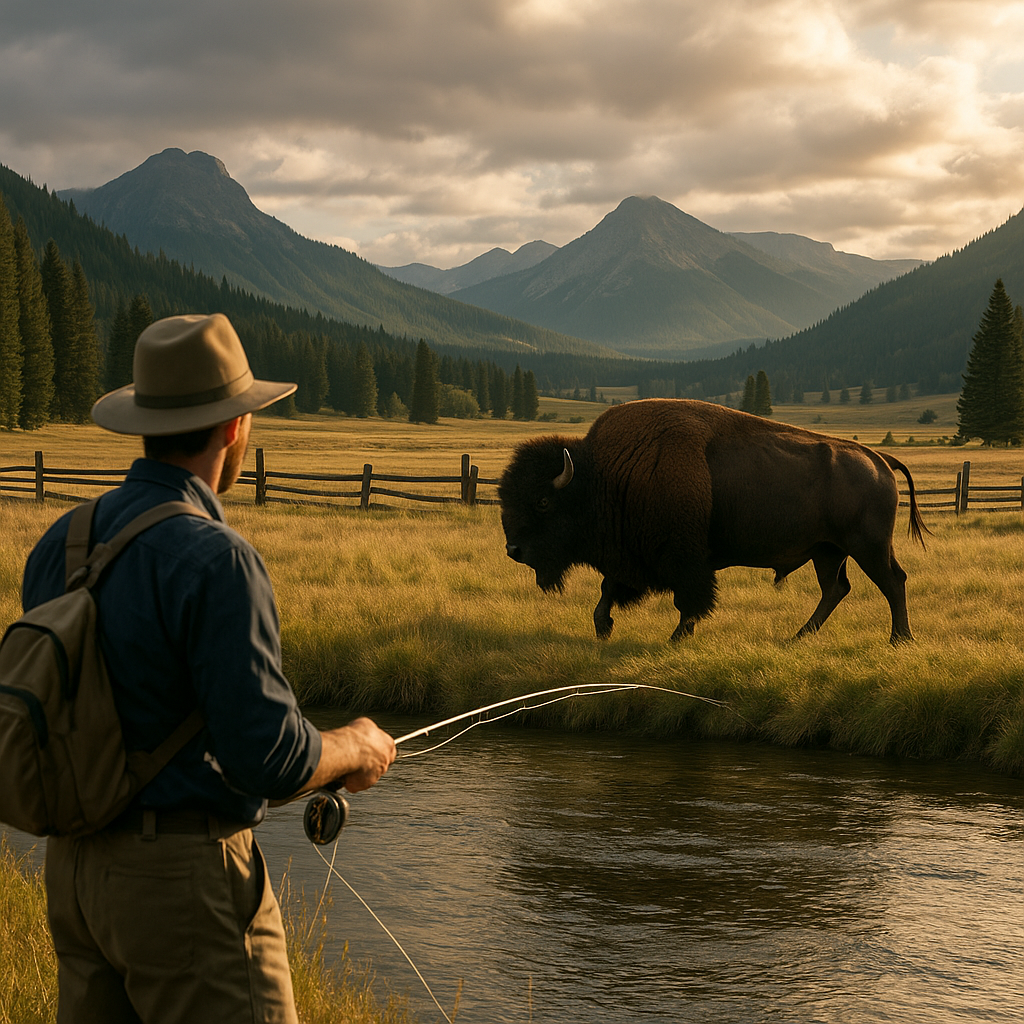
According to recent news reports, another visitor to Yellowstone National Park learned the hard way that getting too close to wildlife can have dire consequences. While details are still emerging, it appears the individual approached a large animal—reports suggest it may have been a bison or elk—and suffered serious injuries as a result. These powerful animals are not just icons of the West; they are wild and unpredictable, capable of running up to three times faster than an average human.
Why Wild Animals Demand Respect
Montanans know that sharing the landscape with wildlife is part of daily life. Whether you’re hunting, fishing, or simply enjoying public lands, encounters with big game are common. Yet, every year, stories emerge—often involving out-of-state visitors—about people getting too close in pursuit of a photo or just out of curiosity. The results can range from frightening to tragic.
- Bison: Can weigh over 2,000 pounds and reach speeds of 35 mph.
- Elk: Known for their speed and aggression during rutting season.
- Bears: Both grizzly and black bears are present in Yellowstone and across Montana, and close encounters can be fatal.
- Wolves and Coyotes: Less likely to attack, but still wild and unpredictable.
It’s not just about personal safety. Getting too close to wildlife can alter animal behavior, disrupt feeding or mating, and even lead to euthanizing animals that become too accustomed to humans.
The Law: Required Distances in Yellowstone and Beyond
Yellowstone National Park—and most Montana public lands—requires visitors to keep a minimum distance from wildlife:
- 25 yards from all large animals, such as bison, elk, deer, and moose
- 100 yards from bears and wolves
Violating these rules isn’t just risky; it can also result in hefty fines and park bans. Rangers routinely cite visitors for ignoring posted warnings and approaching wildlife. These rules exist to protect both people and animals, ensuring Montana’s natural treasures remain wild for all to enjoy.
Why Do People Still Get Too Close?
Despite clear signage and frequent headlines, people continue to underestimate the speed and unpredictability of wild animals. Social media often fuels risky behavior, as tourists try to snap the perfect selfie. Others simply misjudge animal temperament, particularly with seemingly docile bison or elk grazing near roads and parking lots.
But even lifelong Montanans can fall into complacency. It’s essential to remember that all wildlife is unpredictable, and no amount of local knowledge makes you immune to the risks.
What This Means for Montana
Wildlife-related injuries don’t just impact the individuals involved—they affect the entire state. High-profile incidents can strain relationships between locals and visitors, increase calls for stricter regulations, and put unnecessary pressure on wildlife. For ranchers and farmers, habituated animals can lead to more property damage or disease transmission. For hunters and anglers, disruptions to animal behavior can alter migration routes and access to traditional grounds.
Montana’s outdoor heritage relies on mutual respect—between people, animals, and the land itself. Every time someone ignores the rules, it risks that delicate balance. Education, signage, and community outreach are critical, but ultimately, personal responsibility is the first line of defense.
Staying Safe: Tips for Wildlife Encounters
- Always keep the required distance—use binoculars or a telephoto lens for photos.
- Never feed or attempt to touch wild animals.
- Travel in groups when possible, especially in bear country.
- Carry bear spray and know how to use it.
- Report aggressive or habituated animals to local authorities.
- Educate visitors and children about safe wildlife practices.
Conclusion: Respect Is the Montana Way
Montana is blessed with abundant wildlife and spectacular landscapes, but those gifts come with responsibilities. As the recent Yellowstone incident reminds us, the line between awe and danger can be crossed in a heartbeat. It’s up to every resident and visitor to respect wildlife, follow regulations, and keep Montana safe—both for people and the animals that call it home.
Inspiration: “yellowstone national park” – Google News