Quick Takeaways
- Wolf populations influence Montana’s ecosystems by affecting prey species like deer and elk.
- Science-driven management helps balance predator and prey dynamics to support healthy wildlife.
- Effective wolf management requires ongoing monitoring and adaptive strategies.
- Collaboration among wildlife agencies, ranchers, and hunters is essential for sustainable outcomes.
- Understanding predator-prey relationships benefits Montana’s outdoor heritage and economy.
The Role of Wolves in Montana’s Ecosystems
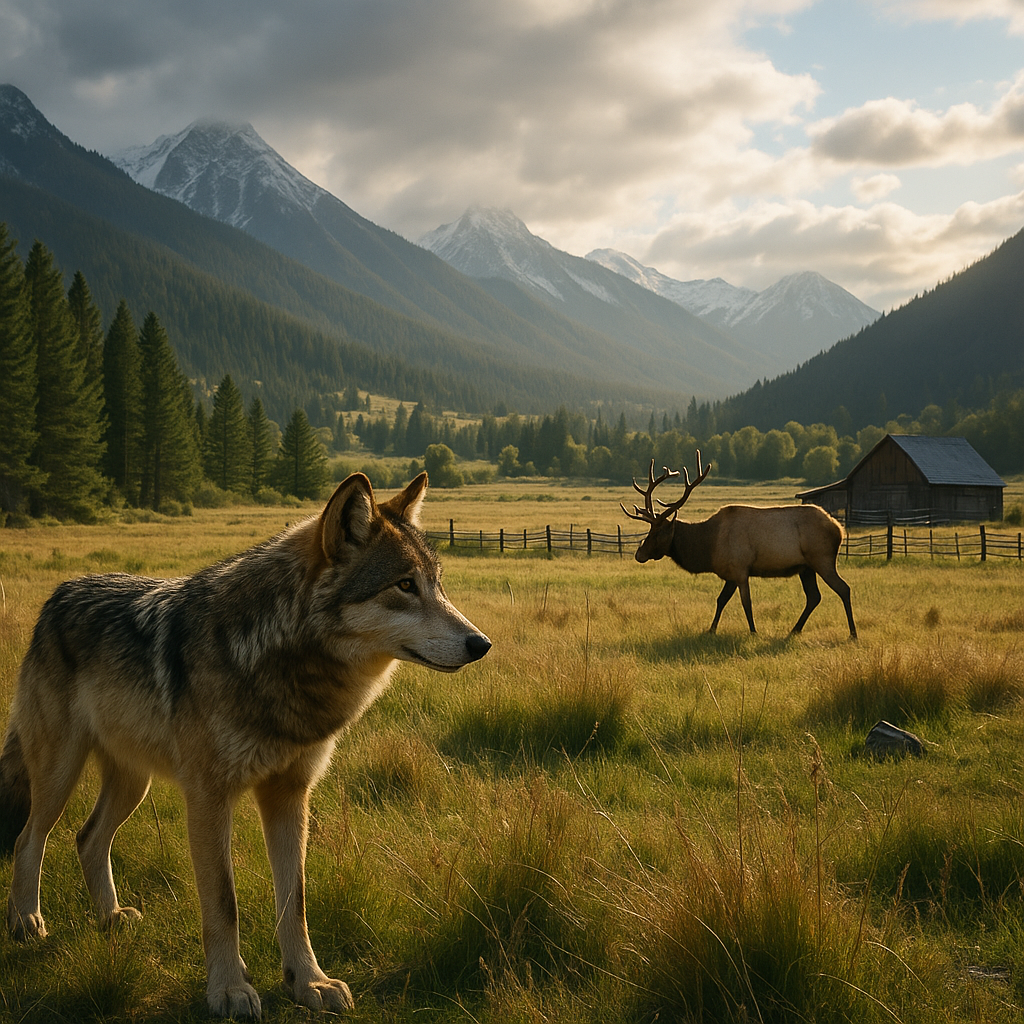
Wolves have long been a vital part of Montana’s landscapes, shaping the dynamics of wildlife populations and vegetation. By naturally regulating populations of large herbivores such as elk and deer, wolves contribute to healthier, more balanced ecosystems. Their presence can reduce overgrazing, allowing plant communities to regenerate and supporting biodiversity.
However, managing wolves requires careful consideration. Fluctuations in prey numbers and habitat conditions mean that predator-prey relationships are complex and ever-changing. Wildlife managers in Montana use science-focused methods to monitor wolf packs and prey populations, aiming to maintain equilibrium that supports both predator and prey.
Science-Based Wolf Management Strategies
Montana’s wolf management programs prioritize data and research over emotional responses. These strategies include:
- Population monitoring through tracking and field surveys.
- Adjusting hunting and trapping regulations based on population data.
- Collaborating with neighboring regions to manage wolf movements beyond state borders.
- Employing non-lethal deterrents to reduce conflicts with livestock.
- Engaging with local stakeholders, including ranchers and hunters, to align goals.
Continued study of wolf impacts on prey species helps managers refine these approaches and respond to changing conditions, such as drought or harsh winters which affect food availability.
Addressing Challenges: Balancing Interests
One of the biggest challenges is balancing the needs of wildlife conservation with the concerns of ranchers and hunters. Wolves sometimes prey on livestock, creating economic hardship for ranchers. Montana’s management plans include compensation programs and conflict mitigation efforts to reduce these impacts.
Hunters also play a role in maintaining prey populations at sustainable levels. Managing wolf numbers in conjunction with regulated hunting can help prevent overpopulation of certain species, which might otherwise lead to habitat degradation.
What This Means for Montana
For Montanans, effective wolf management means healthier ecosystems that support diverse wildlife populations and robust outdoor recreation opportunities. Balanced predator-prey relationships contribute to better forage for game animals and less strain on the landscape.
By relying on adaptive, science-based management, Montana can protect its outdoor heritage while supporting ranching communities and wildlife enthusiasts alike. This approach ensures long-term sustainability of both predator and prey populations, preserving Montana’s unique natural resources for future generations.
Looking Ahead
As Montana continues to monitor wolf populations and ecosystem health, ongoing research and stakeholder engagement will be crucial. Success depends on flexibility, open communication, and a commitment to evidence-driven decisions that respect the interconnectedness of Montana’s wildlife and human communities.
Inspiration: Montana Outdoor