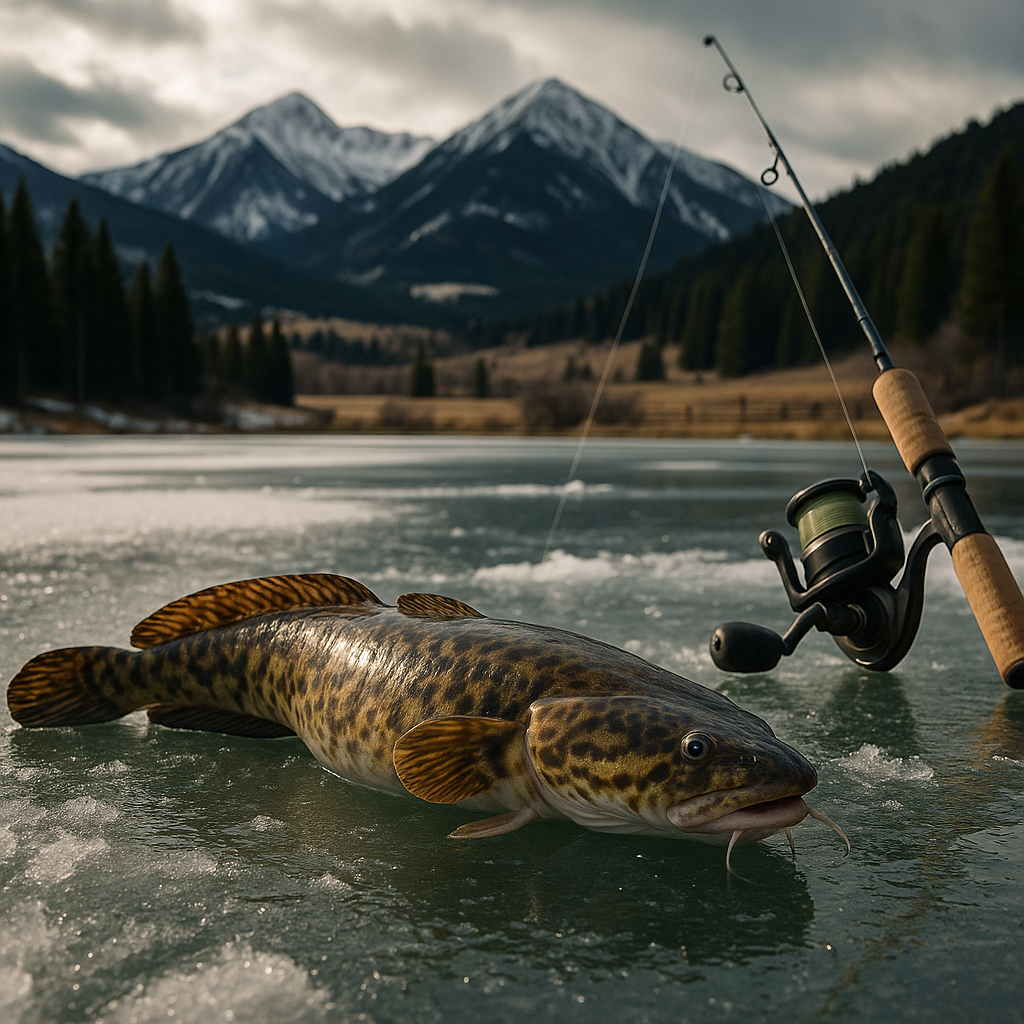
Introduction to Montana’s Winter Fishery: Burbot
When the temperatures drop and Montana’s lakes freeze over, many anglers turn their attention to the unique opportunities ice fishing offers. Among the species that thrive beneath the ice is the burbot, a cold-water fish often overlooked but highly prized by those who pursue it. Sometimes nicknamed the “poor man’s lobster,” burbot provide a distinct winter fishing experience that’s gaining attention across the state.
Quick Takeaways
- Burbot are Montana’s only freshwater cod species, thriving in cold, oxygen-rich waters.
- They are most active during winter, making ice fishing prime time to target them.
- Known for firm, white flesh, burbot are considered a delicacy by many anglers.
- Populations appear stable, but anglers should follow local regulations and practice sustainable harvest.
- Successful burbot fishing often involves slow jigging near the bottom in deep water.
- Understanding their behavior can improve catch rates and appreciation for this unique fish.
Biology and Behavior of Burbot
Burbot (Lota lota) are the only freshwater members of the cod family found in Montana’s waters. They prefer cold, well-oxygenated lakes and rivers, often inhabiting depths where temperatures remain low year-round. Unlike many fish, burbot spawn in the dead of winter beneath the ice, typically between December and February. This winter spawning behavior makes ice fishing an ideal way to target them.
They are primarily nocturnal feeders, preying on smaller fish and invertebrates. During winter, burbot tend to congregate near the bottom where they are more accessible to anglers drilling through the ice. Their slow, deliberate movements mean that patient anglers who understand their habits are often rewarded.
Techniques and Tips for Targeting Burbot in Montana
Targeted burbot fishing requires specialized tactics distinct from other winter species like trout or pike. Some key points to consider include:
- Location: Look for deep basins with rocky or gravelly bottoms where burbot tend to gather.
- Time of Day: While they can be caught throughout the day, burbot are often more active during low-light hours.
- Bait and Lures: Natural baits such as smelt, minnows, or nightcrawlers work well. Jigging small jigs slowly near the bottom can entice strikes.
- Gear: Use sensitive ice fishing rods and reels to detect the subtle bites typical of burbot.
Why Burbot Deserve More Attention
Despite their abundance and culinary potential, burbot remain somewhat misunderstood and underappreciated. In Montana, these fish have a reputation as a secondary or “trash” species, but anglers who have tried them often praise their delicate, flaky texture and mild flavor. Some even compare the taste to lobster or other shellfish, hence the nickname.
From an ecological perspective, burbot play an important role in cold-water ecosystems, helping maintain balance by preying on smaller fish and invertebrates. Their resilience in harsh winter conditions also highlights their adaptability and importance to Montana’s aquatic biodiversity.
What This Means for Montana
For Montana’s outdoor community, burbot represent a valuable winter resource that can diversify fishing opportunities beyond traditional species. As the state’s angling population grows and ice fishing becomes more popular, understanding burbot biology and behavior can help anglers make the most of this unique pursuit.
Additionally, reports indicate that burbot populations remain stable across many Montana waters, suggesting that current management practices are effective. However, responsible harvest and respecting local regulations are vital to preserving this resource for future generations.
Encouraging awareness and knowledge about burbot could also foster greater appreciation for Montana’s diverse cold-water fisheries and contribute to sustainable outdoor recreation during the long winter months.
Conservation and Regulations
Montana Fish, Wildlife & Parks oversees the management of burbot populations, with regulations varying by waterbody. Anglers should always check current rules regarding seasons, bag limits, and gear restrictions before targeting burbot. Sustainable fishing practices help ensure that burbot remain a viable winter fishery.
Conclusion
Burbot offer Montanans an exciting and rewarding fishing experience under the ice. With their unique biology, delicious taste, and stable populations, they deserve recognition as a premier winter sport fish. By learning about their habits and practicing thoughtful angling, Montanans can enjoy this cold-water treasure for years to come.