Introduction: Where Montana Meets Yellowstone
On the northern border of Yellowstone National Park lies Gardiner, Montana—a tiny but vital community nestled where the Paradise Valley meets the rugged Absaroka Range. While its population hovers around 800, Gardiner punches above its weight as a year-round gateway to one of America’s most iconic wild places. This unique location makes the town a focal point for outdoor recreation, wildlife encounters, and the ongoing story of how Montanans live alongside the world’s first national park.
Quick Takeaways
- Gardiner is the only town with a year-round road entrance to Yellowstone National Park.
- It sits at the confluence of the Yellowstone River and the Absaroka Mountains.
- Local economy relies on tourism, outfitting, and wildlife-based business.
- Year-round resident numbers are small, but visitor numbers swell each summer.
- The area offers prime access to fishing, hunting, hiking, and wildlife viewing.
Gardiner’s Unique Location
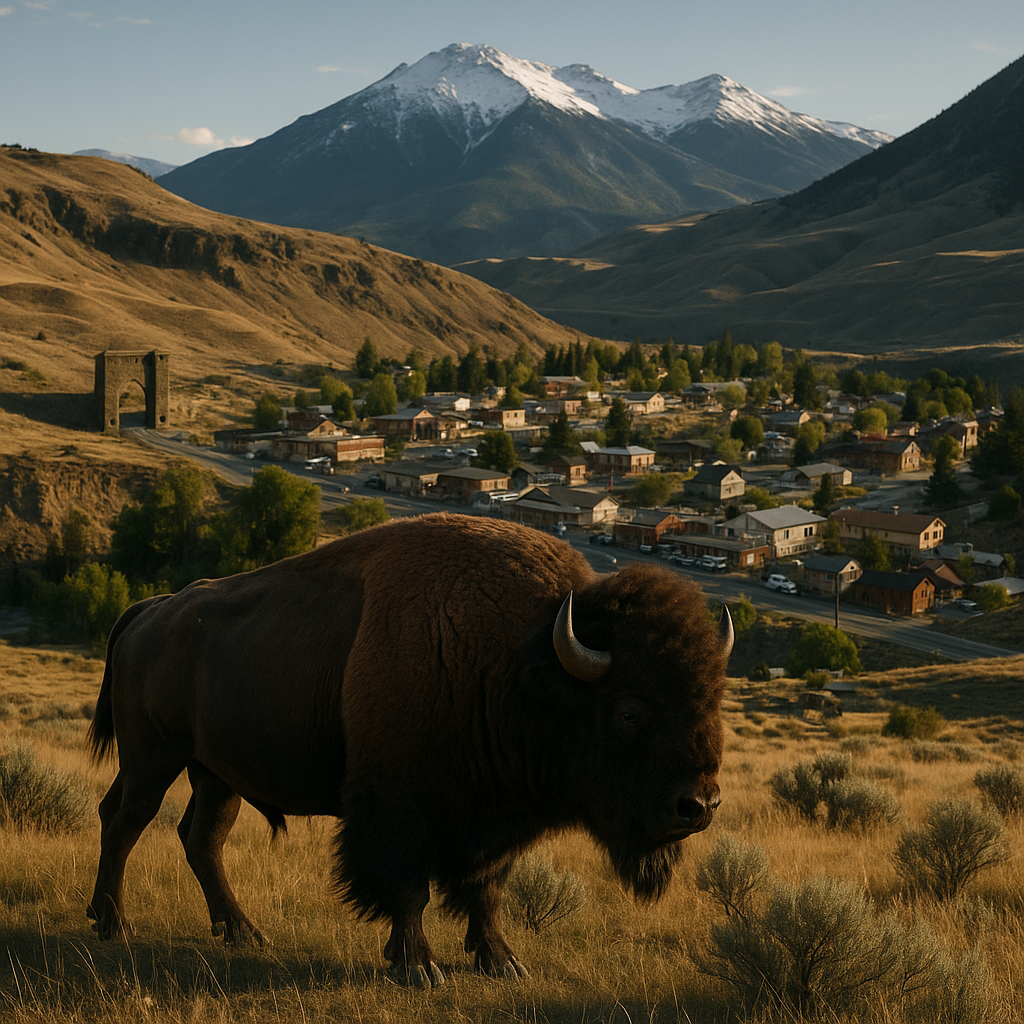
Perched on the boundary of Montana and Wyoming, Gardiner’s geography is striking. The town’s iconic stone Roosevelt Arch marks the original entrance to Yellowstone, built in 1903. Today, it’s still the only gateway town with a road open to vehicles throughout the Montana winter, making it a lifeline for visitors, workers, and the park’s northern range wildlife.
The Yellowstone River runs right through town, drawing anglers from around the world. Meanwhile, the surrounding mountains provide critical winter range for elk, bison, and deer—species that frequently wander across the invisible park boundary into Gardiner’s backyards and hayfields.
The Town’s Economy: Tourism, Outfitting, and More
Gardiner’s economy is closely tied to the rhythms of Yellowstone’s visitation. From late spring through early fall, outfitters, guides, and hospitality businesses serve visitors eager to fish the Yellowstone, hike the park’s backcountry, or spot wolf packs in the Lamar Valley. The shoulder seasons are quieter, but winter brings its own set of visitors: wildlife watchers hoping to glimpse wolves against the snow, and hardy anglers chasing trout in the river’s open waters.
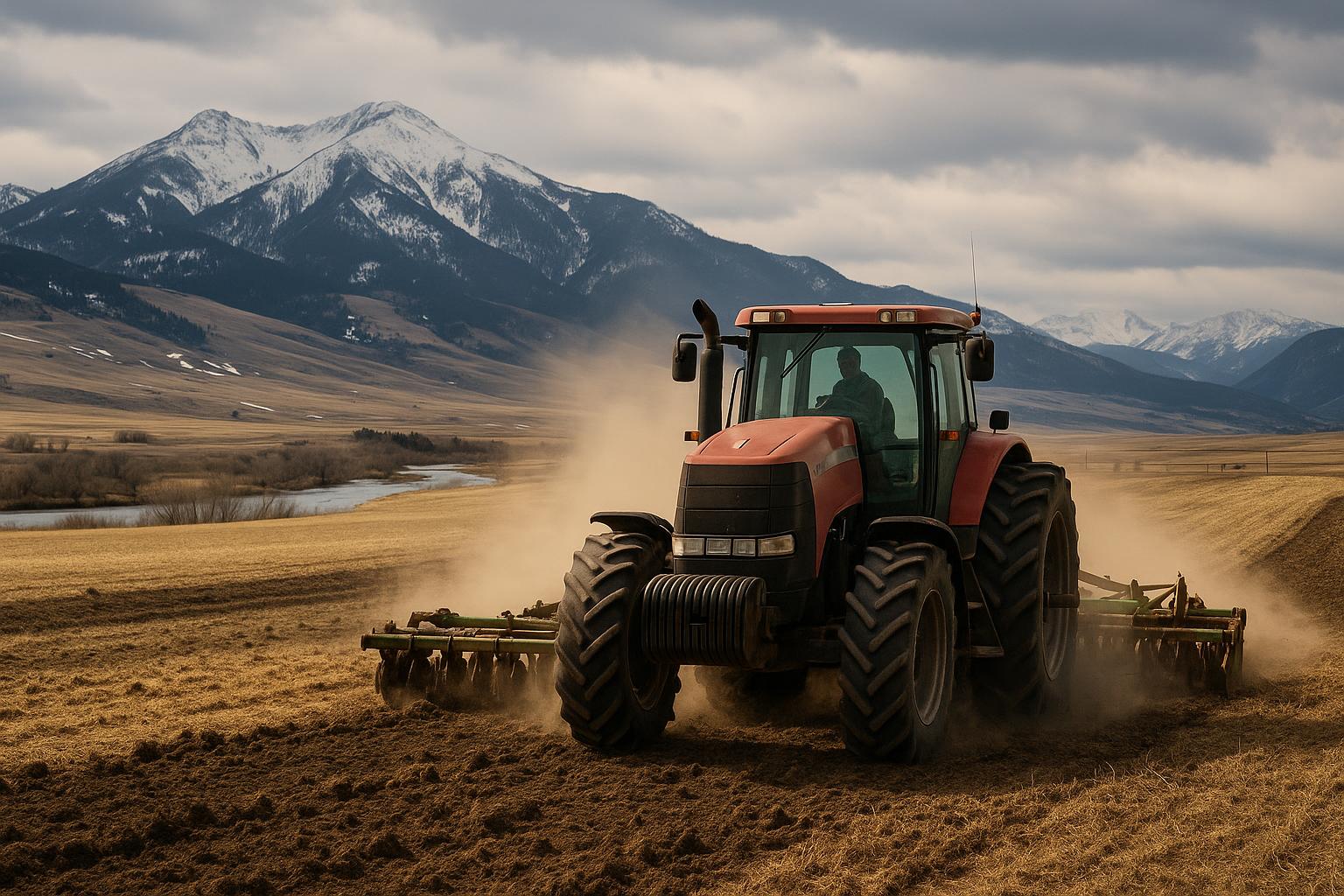
Local ranchers and landowners often face unique challenges as wildlife spill over from the park, sometimes competing with livestock for forage or drawing in predators. Cooperation between federal land managers, residents, and state agencies is key to balancing these interests.
Outdoor Opportunities Abound
For the outdoor-minded, Gardiner is a launchpad for:
- Fly fishing: The Yellowstone River and its tributaries offer blue-ribbon trout fishing year-round, with access to legendary waters both inside and outside park boundaries.
- Hunting: While hunting is not allowed inside Yellowstone, surrounding public lands and private ranches provide opportunities for elk, deer, and upland birds, especially in the fall.
- Wildlife viewing: The northern range is famous for sightings of bison, elk, wolves, and grizzly bears, especially during winter when animals move to lower elevations.
- Hiking & riding: Trails radiate from Gardiner into the Absarokas and Gallatin National Forest, offering everything from easy day hikes to multi-day wilderness trips.
Living on the Edge: Community and Conservation
Life in Gardiner is shaped by its proximity to Yellowstone. Residents often juggle seasonal work, tourism’s boom-and-bust cycle, and the challenges of living in a remote, high-elevation environment. Community events—from the annual rodeo to local conservation meetings—reflect a deep connection to both the land and the park’s unique legacy.
Wildlife management is always top-of-mind. Reports indicate that bison and elk frequently cross into town, sometimes stirring controversy over property damage or disease transmission. Programs like fencing cost-share, predator education, and collaborative range management have become essential parts of life on Yellowstone’s doorstep.
What This Means for Montana
Gardiner’s story is more than just local color—it highlights some of the biggest questions facing Montana’s gateway communities. How do small towns balance economic growth with conservation? What does it mean for rural Montanans when millions of visitors pass through each year? Gardiner’s solutions—community partnerships, adaptive business models, and a pragmatic approach to living with wildlife—offer lessons for other towns on the edge of wild country.
For the rest of Montana, Gardiner’s experience is a reminder that our relationship with public lands and wildlife is always evolving. Whether you’re a rancher dealing with migrating bison or a guide helping visitors discover the Yellowstone, the intersection of wildness and community is where Montana’s future will be shaped.
Conclusion
Gardiner may be small, but its role as a Yellowstone gateway makes it a vital part of the Montana landscape. For hunters, anglers, outfitters, and anyone who values wild places, it’s a town worth knowing—and a place where the challenges and opportunities of living next to Yellowstone are on full display.
Inspiration: “yellowstone national park” – Google News (link).