Every summer, a fresh wave of “most beautiful national parks” lists makes the rounds, and Yellowstone is almost always in the conversation. That’s no surprise to Montanans who’ve watched steam rise off the Madison, glassed elk in the timbered edges of the park, or listened to wolves howl on a cold September morning.
But the list-style buzz can also be a good prompt to step back and ask a more practical question: what do those big-name parks mean for folks who live here—hunters, anglers, farmers, ranchers, and anyone who relies on the land—and how do you enjoy them without turning your trip into a traffic jam?
Quick takeaways
- Yellowstone’s beauty is real, but so are crowds—timing and route choice can make or break the experience.
- Shoulder seasons (late spring and early fall) often offer better wildlife viewing and fewer bottlenecks.
- Montana has “park-level” scenery outside the gates on national forests, BLM lands, and state access sites.
- Respect working landscapes: many approach routes pass through ranch country—slow down, close gates, and stay on roads.
- Plan like a local: know bear safety basics, road conditions, and where cell service disappears.
Why Yellowstone keeps landing on “most beautiful” lists
Reports and travel coverage regularly highlight Yellowstone for a reason: it’s a rare place where geology and wildlife stack up in a single drive. Geyser basins, travertine terraces, a canyon with a big-water falls, and broad river valleys that still hold bison and elk—there aren’t many places in North America that combine those features at that scale.
From a Montana perspective, Yellowstone is also the anchor of a larger ecosystem that spills north and west into our state. The park isn’t an island; it’s connected to surrounding national forests, private ranchlands, and river systems that matter to local communities and to wildlife moving across boundaries.
If you’re planning a visit, the park’s signature stops can be worth seeing at least once. Just know that “worth it” often depends on when you go and how you approach it.
How to see Yellowstone without spending the day in a line of brake lights
Yellowstone’s roads and pullouts can choke up fast during peak summer. A few practical strategies can help you trade stress for scenery.
Pick your timing like you’re planning a hunt
- Early starts win. If you’re rolling through a gate after mid-morning in July, you’re not alone.
- Shoulder seasons can be sweet spots. Late May into early June and mid-September into October often bring cooler temps, fewer tour buses, and active wildlife. Conditions vary year to year, and some services may be limited.
- Weekdays beat weekends. If you can swing a Tuesday-to-Thursday loop, you’ll usually notice the difference.
Choose routes that match your goals
If your priority is wildlife, build time for dawn and dusk in big valleys and along river corridors. If your priority is thermal features, plan for boardwalk areas but be prepared for crowds. And if you’re bringing kids or older family members, shorter stops with predictable walking can keep everyone happier than an over-ambitious itinerary.
Before you leave, check the National Park Service updates for road status, closures, and safety notices at nps.gov/yell. Conditions can change quickly due to weather, construction, or wildlife management actions.
Wildlife viewing: the Montana mindset inside the park
For many Montanans, wildlife is part of daily life—until it’s a bull elk in velvet standing in a roadside meadow with 40 cameras pointed at it. Yellowstone can amplify that dynamic.
A few reminders that keep people and animals safer:
- Give animals space. The park posts minimum distances; follow them and then add a little extra cushion.
- Use optics, not your boots. A spotting scope or good binoculars beats walking closer every time.
- Don’t crowd the road. Wildlife jams can become dangerous when folks stop in travel lanes or step into traffic.
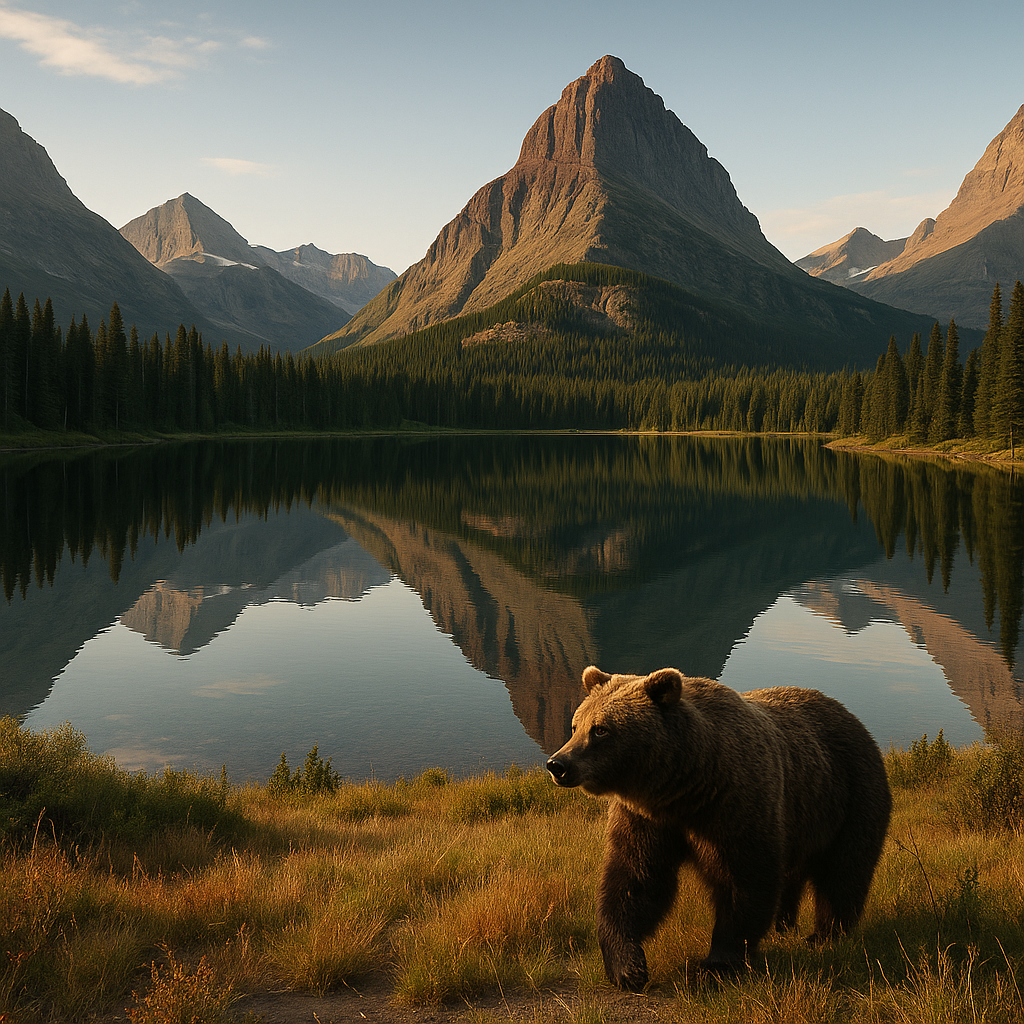
- Bear country rules apply. Carry bear spray where it’s allowed, know how to use it, and keep a clean camp.
Also remember: if you’re used to hunting season discipline, bring that same respect to wildlife viewing. The goal is to leave no trace—especially no learned behavior that puts an animal on a path toward conflict.
Where to find “national park” scenery in Montana outside the gates
Yellowstone may get the headlines, but Montana’s public lands offer plenty of country that feels just as big—often with fewer people and more flexibility for anglers, hunters, and families.
Consider these options when you want the views without the pinch points:
- Gallatin and Custer Gallatin country: Mountain basins, cold creeks, and trailheads that can deliver big scenery fast. Check regulations and seasonal closures.
- Absaroka-Beartooth area: High, rugged terrain and alpine lakes. Weather can turn quickly even in summer.
- Paradise Valley and surrounding river corridors: Iconic Montana vistas with access points that require planning and respect for private land boundaries.
- State parks and fishing access sites: Smaller footprints, but often excellent for a quick evening on the water or a family picnic.
For trip planning and public access details, Montana Fish, Wildlife & Parks maintains resources at fwp.mt.gov. For broader public land navigation, the BLM and U.S. Forest Service sites can help clarify what’s open and where.
What this means for Montana
When Yellowstone and other marquee parks trend in national travel coverage, Montana feels the effects—sometimes directly, sometimes indirectly.
- More visitor pressure on gateway communities. Towns near park entrances can see spikes in traffic, lodging demand, and busy grocery aisles. That can be good for local businesses, but it can also strain infrastructure and emergency services.
- Increased use of nearby public lands. When the park feels crowded, visitors often spill onto adjacent national forests and river access points. That can mean more competition for campsites, trailheads, and fishing holes—especially in peak season.
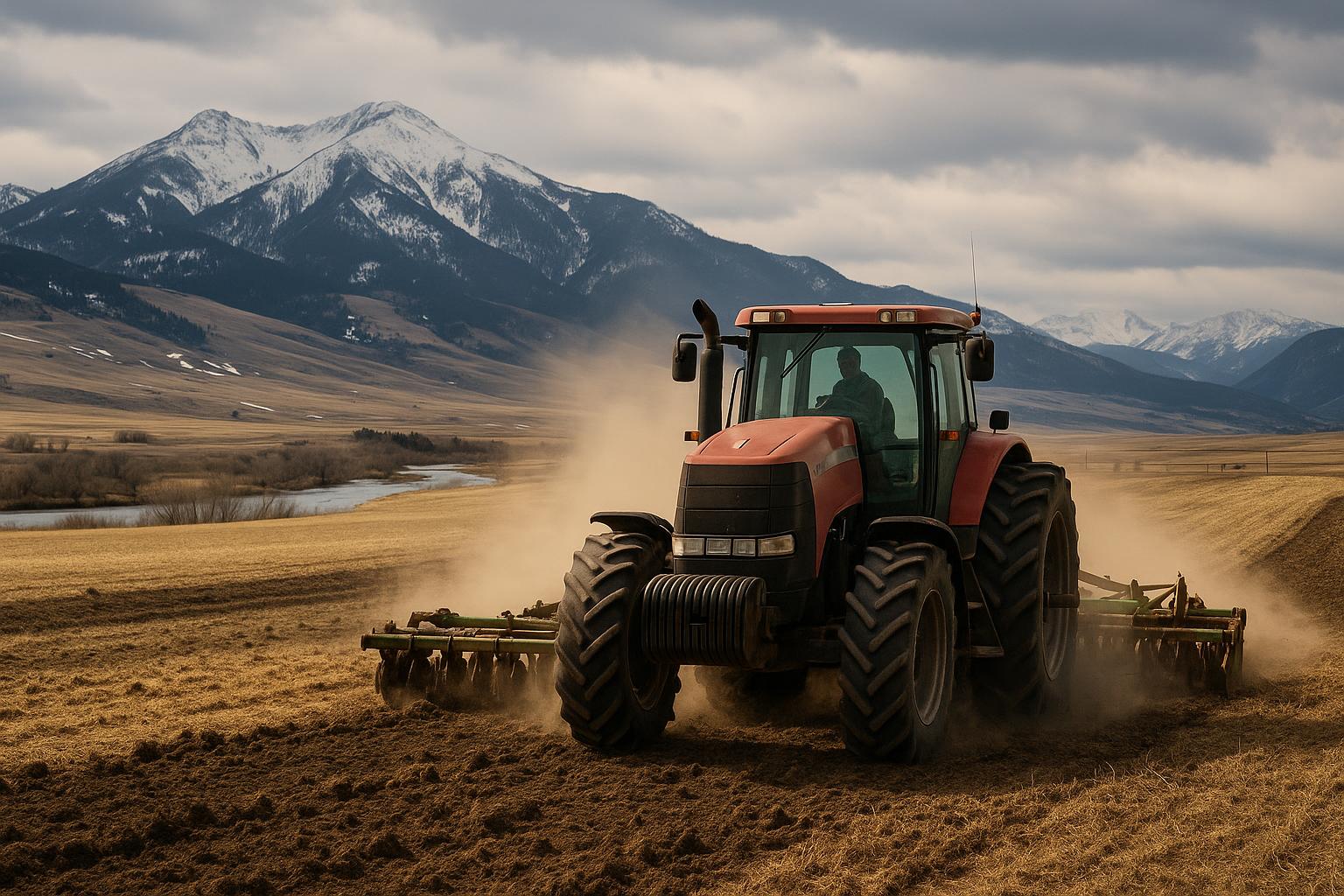
- More interactions on working lands. Many scenic routes and “shortcut” roads run through ranch country. With more out-of-state traffic, issues like open gates, roadside parking on narrow county roads, and livestock disturbance can increase.
- Wildlife management becomes a bigger conversation. As wildlife moves across boundaries, public attention can rise. Reports indicate that high-profile wildlife sightings sometimes lead to crowding and conflict risk, which can affect how agencies approach messaging and management.
For Montana residents, the practical takeaway is to plan ahead and stay flexible. If you’re trying to squeeze a Yellowstone day trip between haying and irrigation checks, it may be smarter to aim for an early weekday, or choose a nearby alternative that still scratches the scenery itch.
A simple, low-stress Yellowstone day plan (from the Montana side)
If you’re entering from Montana and want a realistic day that doesn’t try to “do it all,” here’s a framework that many locals find workable:
- Start before sunrise and plan your first stop around wildlife viewing in open country.
- Pick one major feature area (a thermal basin, canyon viewpoint, or iconic waterfall) and commit to it.
- Pack food and water so you’re not hunting for a table at noon.
- Build in a turnaround time so you’re not driving tired after dark—especially during peak wildlife movement hours.
This approach won’t check every box on a travel magazine list, but it will usually deliver what most people actually want: a memorable slice of Yellowstone without a full day of frustration.
Final word: beauty is real, but so is responsibility
Yellowstone’s place in America’s imagination is earned. Still, the best trips are the ones that respect the land, the wildlife, and the people who live and work around it. If a national “most beautiful parks” roundup nudges more folks to visit, Montana can benefit—so long as visitors come prepared, stay patient, and treat this landscape like it’s more than a backdrop.
Inspiration: "yellowstone national park" – Google News