Winter is when a lot of Montana horse and roping folks point the truck south. Shorter days at home, frozen ground, and a calendar full of jackpots and rodeos in warmer country make it the natural time to tune up horses, stay sharp, and chase a little winter money.
- Quick takeaways:
- Reports indicate a returning winter rodeo/roping event in Wickenburg, Arizona, is drawing attention again.
- Winter events thrive on smart scheduling, solid ground prep, and a format that keeps contestants moving.
- Montana producers can borrow ideas: better winter practice options, clearer entry info, and more youth-focused side pots.
- For ropers, winter travel is as much about horse development and consistency as it is about winnings.
According to reports circulating in regional coverage, a “406” branded rodeo event is returning in Wickenburg, Arizona—right in the heart of a winter rodeo corridor that pulls contestants from across the West. The details vary by year and venue, but the bigger story is familiar to anyone who’s hauled out of Montana in January: winter rodeo country runs on momentum, and the events that come back year after year usually do a few basics extremely well.
Why winter rodeo hubs keep contestants coming back
Montanans don’t need a lecture on weather. When your home arena is under snow and your outdoor pens are slick, it’s hard to keep a young horse progressing or a finished horse tuned without risk. That’s where the winter hubs earn their reputation: reliable footing, consistent scheduling, and multiple events close enough together to justify the fuel bill.
Wickenburg, in particular, sits in an area known for winter roping and rodeo traffic. Contestants can often find something to enter most weekends, and sometimes midweek. If a returning event is being talked about, it’s likely because it fits into that broader circuit—something that lets people plan a trip and string several competitions together.
For Montana ropers, that kind of predictability matters. It’s not just about one rodeo; it’s about building a month of opportunities around it.
What makes a rodeo “return” successfully
Any event can put up flyers and open entries. The ones that actually come back—especially after a gap—usually have a few common traits that rodeo committees in any state can recognize.
- Clear format and fast communication: contestants want to know the entry process, added money (if any), stock contractor details, and slack schedule.
- Ground that holds up: whether it’s a roping pen or full rodeo arena, safe footing is the difference between “we’ll be back” and “never again.”
- Efficient runs: good help in the chute, a working announcer, and a plan for cattle flow keep things fair and on time.
- Something for families: youth divisions, beginner ropings, and a welcoming atmosphere keep entries up long-term.
Even if the headline is about a single returning rodeo, the subtext is usually about organization. In today’s rodeo world, contestants have options. If a weekend doesn’t pencil out—or if the word is that cattle are uneven or the ground is deep—people will go elsewhere.
The Montana angle: why the “406” name resonates
In Montana, “406” is more than an area code. It’s shorthand for a way of life—ranch kids who learned to rope because it was useful, not because it looked good on social media; families who haul because they love the community; and a horse culture built around practicality.
So when a “406” branded event shows up out of state, it catches eyes back home. It suggests a connection—maybe in contestants, organizers, or simply in the identity being promoted. Without over-reading the branding, it’s still a reminder that Montana has a recognizable rodeo and ranch culture that travels well.
For Montana hands wintering in Arizona, it’s also a little taste of home: familiar numbers on a banner, familiar style in the warm-up pen, and likely a few familiar faces in the stands.
Roping is horse training in public
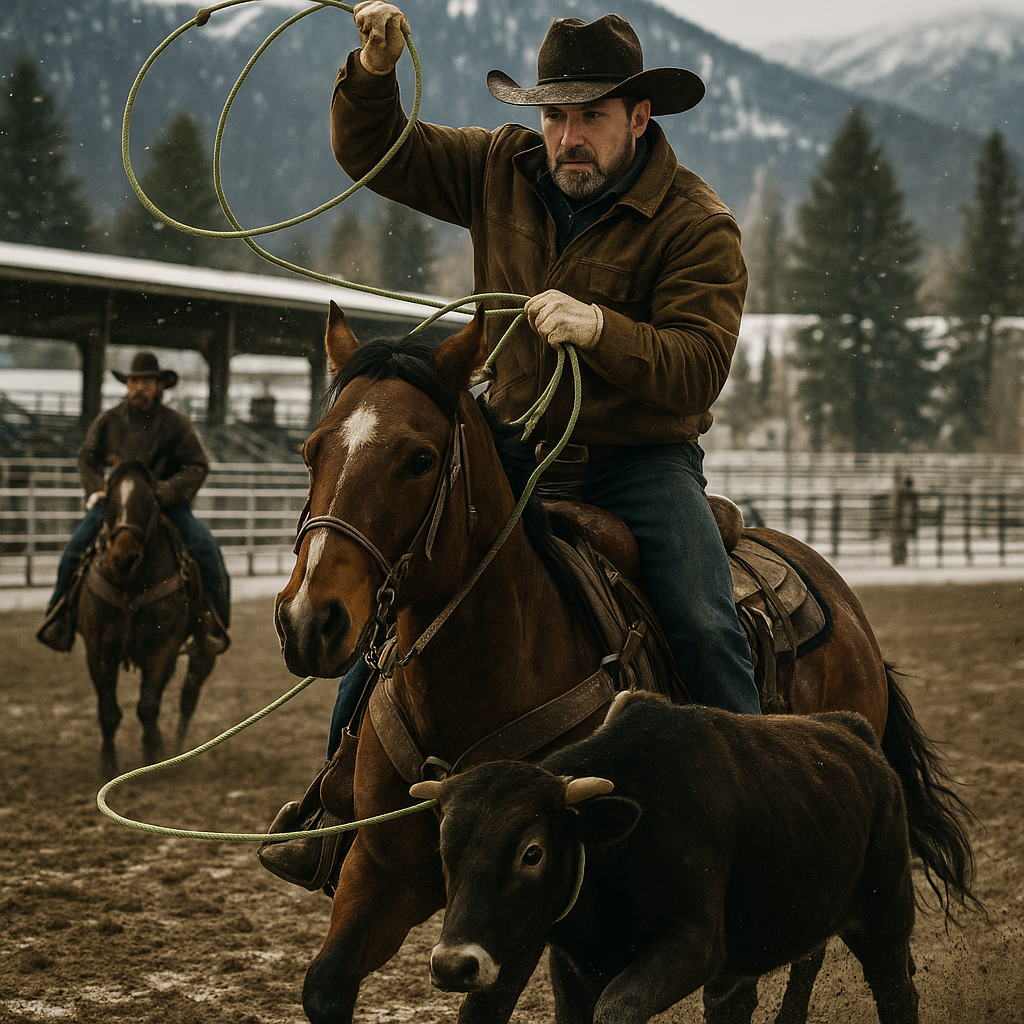
Ask experienced ropers what they’re really chasing in winter, and you’ll often hear less about checks and more about progress. Winter ropings are where young horses learn to handle pressure, where finished horses stay honest, and where riders get a chance to fix small problems before spring branding season.
A typical Montana winter roping trip can be justified in a few practical ways:
- Consistency: hauling and competing exposes holes in your program faster than practice at home.
- Conditioning: steady work on good ground builds fitness without pounding a horse on frozen ruts.
- Experience: different cattle, different setups, different arenas—horses that see it all usually handle ranch work better.
That’s why a returning winter event matters even to people who don’t plan to enter it. It’s another datapoint that the winter season is alive and well, and that there’s demand for well-run competitions.
What this means for Montana
Montana doesn’t need to copy Arizona. Our rodeo season, our weather, and our travel distances are different. But the popularity of winter events elsewhere does highlight a few opportunities back home—especially for communities trying to keep arenas busy and youth engaged.
- More covered or winter-friendly practice options: even small indoor spaces or windbreak improvements can extend the local season and reduce the need for long hauls.
- Better calendar coordination: when jackpots and winter series avoid stepping on each other, everyone wins—more entries, better payouts, and less volunteer burnout.
- Youth-forward programming: youth ropings, #10 or #12 divisions, and clinics tied to events help keep the next generation involved.
- Transparent entry info: clear rules, cattle numbers, and payout structure build trust and repeat attendance.
It also underlines a cultural point: Montana’s ropers and horse people are willing to travel for quality events. If local committees can offer consistent footing, fair stock, and a good experience, contestants will support it—even if it’s cold and even if it’s a smaller purse.
Planning a winter haul: practical considerations for Montana rigs
Whether you’re headed to a big winter hub or just crossing state lines for a weekend, the basics matter. Montana haulers are seasoned, but winter travel adds its own layer.
- Health paperwork: check current requirements for brand inspections, Coggins, and any state-specific entry rules.
- Horse management: big temperature swings can mean dehydration risk—especially when horses go from cold Montana to warm days and cool nights.
- Trailer safety: winter roads can turn a long haul into a longer one; good tires, chains when needed, and conservative timing are worth more than making the slack.
- Budget reality: fuel, shavings, feed changes, and entry fees add up fast—plan for the whole trip, not just the entry.
And if you’re a ranch outfit thinking about sending a young horse south with a trusted hand, winter events can be a smart way to put miles and experience on that horse—provided the travel and management are done right.
The bottom line
Reports of a returning winter rodeo/roping event in Wickenburg are a reminder of what keeps the western horse world moving in the off-season: good organization, safe ground, and a welcoming atmosphere that makes people want to come back. For Montana, it’s also a prompt to keep building local opportunities—because the demand for roping, good horses, and well-run events is clearly there.
Inspiration: “wickenburg roping” – Google News