Bigfork has a way of pulling people back. Sometimes it’s the lake light at dusk, sometimes it’s the smell of wet ponderosa after a summer storm, and sometimes it’s the simple math of family, work, and the place where your story began.
Reports from longtime locals often sound similar: people leave the Flathead to chase school, jobs, seasons, or adventure, then return years later with a different set of eyes. The valley changes—new businesses, new faces, shifting housing costs—but the core landmarks remain: Flathead Lake, the Swan Range to the east, the draw of the river, and a community that still notices who’s back in town.
A hometown that travels with you
Ask around the coffee counter or at the post office and you’ll hear variations on the same arc. Someone grew up in a house with a view of the lake, spent their teens on the water, then took off. College in Missoula or Bozeman. A stint on a fire crew. Seasonal work in ski towns. Military service. A job in another state. A few years overseas. Bigfork becomes a reference point rather than an address.
Then, at some point, the pull turns into a plan. It might be a chance to care for aging parents, a remote-work opportunity, or the desire to raise kids near grandparents and public land. For others, it’s the realization that the outdoors they’ve been chasing elsewhere has been in their backyard all along.
Bigfork’s geography makes that pull easy to understand. You can be on Flathead Lake in the morning, on a trail in the Swan Valley by afternoon, and back in town for a school concert at night. For people who measure life in seasons and daylight, that kind of access matters.
Landmarks that shape a life
Western Montana communities tend to be anchored by a few big features: a river, a mountain range, a working landscape, a main street. Bigfork has all of those, plus a lake that behaves like its own weather system. Flathead Lake can be glass-calm at sunrise and whitecapped by midafternoon. Locals learn to read it the way ranchers read clouds.
Those features shape what people do and how they talk. In Bigfork, conversations often revolve around:
- Water levels and wind: crucial for boating, shoreline work, and anyone timing a day on the lake.
- Tourism seasons: summer weekends can change traffic, restaurant waits, and boat launches.
- Wildfire and smoke: increasingly part of late summer planning across the Flathead.
- Public land access: trailheads, river corridors, and the practical details of where you can still get away.
For many residents, those aren’t abstract topics. They’re daily logistics—and, in a lot of cases, the backdrop for family history.
Coming back to a changed Flathead
Returning home can be complicated. The Flathead has seen steady growth, and Bigfork is no exception. Real estate prices, short-term rentals, and seasonal crowding are common points of discussion. People who left when housing was relatively attainable may come back to a market that feels out of reach.
At the same time, growth brings new energy: more dining options, expanded services, and a broader mix of jobs. Some of the newest residents arrive with deep Montana ties; others are learning local rhythms for the first time. Either way, the community has to figure out how to hold onto what makes it feel like Bigfork while accommodating the realities of a popular lake town.
That tension shows up in practical places—parking, boat launches, school enrollment, and how local government balances infrastructure with the small-town feel people value.
Work that fits the landscape
In the Flathead, “work” often means more than a job title. It can include seasonal labor, land stewardship, and the side projects that keep rural households running: cutting firewood, maintaining fences, keeping a boat running, or helping a neighbor with hay for a weekend.
Bigfork sits near a mix of economies—tourism, construction, healthcare, education, trades, and a long-standing connection to timber and land management. Remote work has added another layer, allowing some people to live in the valley while earning paychecks tied to cities far away.
For returnees, the challenge is often finding work that supports a Flathead cost of living without losing the reason they came back. That can mean:
- Starting a small service business tied to the lake or the building trades
- Picking up seasonal work and stitching together a year-round schedule
- Commuting to Kalispell or beyond
- Leaning into remote work while staying engaged locally
However it’s done, the goal is usually the same: to make a living without giving up the time and access that define life here.
Wild places, close to town
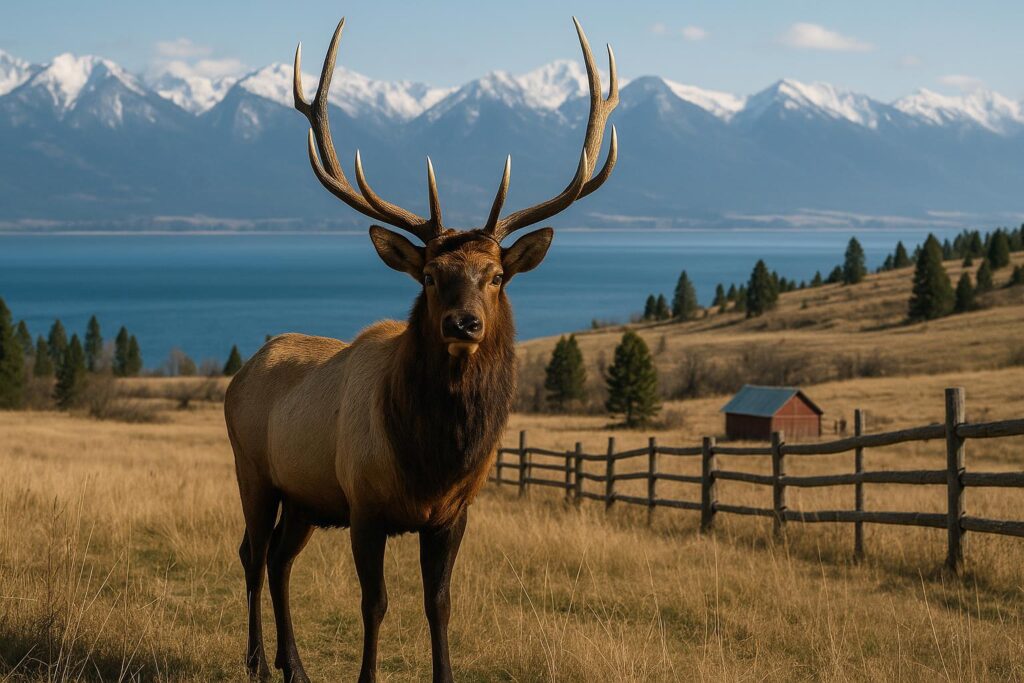
Bigfork’s identity is tied to nearby wild country. The Swan Range and the Mission Mountains sit within striking distance, and the broader Flathead region is a gateway to some of Montana’s most iconic landscapes.
That proximity also brings responsibilities. Wildlife sightings are common enough to be part of normal life, not a special event. People talk about bears in the neighborhood, deer on the highway, and the occasional lion track the way other places talk about traffic.
For residents and visitors alike, the basics matter:
- Store attractants properly and follow bear-aware practices
- Give wildlife space, especially around homes and trailheads
- Drive cautiously at dawn and dusk when animals are moving
For official guidance on living and recreating in bear country, readers can reference Montana Fish, Wildlife & Parks and local land management offices.
What this means for Montana
Bigfork’s homecoming stories aren’t just personal. They reflect broader Montana trends that matter to anyone who hunts, fishes, farms, ranches, or makes their living outdoors.
- Rural identity is evolving: Communities are blending long-time residents, returnees, and newcomers. That mix can strengthen a town, but it also tests shared expectations about land use, access, and local culture.
- Access and affordability are linked: When housing costs rise, the people who maintain roads, fight fires, teach school, and work in clinics can struggle to stay. That affects everything from emergency response to the stability of local services.
- Outdoor pressure is real: More people on lakes, rivers, and trails means more wear on infrastructure and more need for stewardship. It also raises the stakes for clear rules and respectful recreation.
- Community memory still matters: Returnees often bring skills and perspective from elsewhere, but they also bring continuity—stories of how things were, and a personal stake in how things change.
Across Montana, the most resilient towns tend to be the ones that can welcome growth without losing the practical systems that make rural life work: volunteer networks, local knowledge, and a shared commitment to the land and water that draw people here in the first place.
Keeping the story grounded
It’s easy to romanticize a hometown—especially one set against Flathead Lake. But the reality is more textured: smoke seasons, crowded weekends, the cost of groceries, the challenge of finding a rental, the hard work of keeping a small business afloat through winter.
Still, for many, returning to Bigfork is less about nostalgia and more about alignment—matching daily life to the values that were formed here: time outside, connection to neighbors, and a sense that the landscape is not just scenery, but part of the household.
Whether someone comes back for family, for work, or for the simple fact that the lake still looks like home, Bigfork remains what it has long been: a small community shaped by big water, big country, and the long routes people take before they decide where they belong.
Inspiration: flatheadbeacon.com