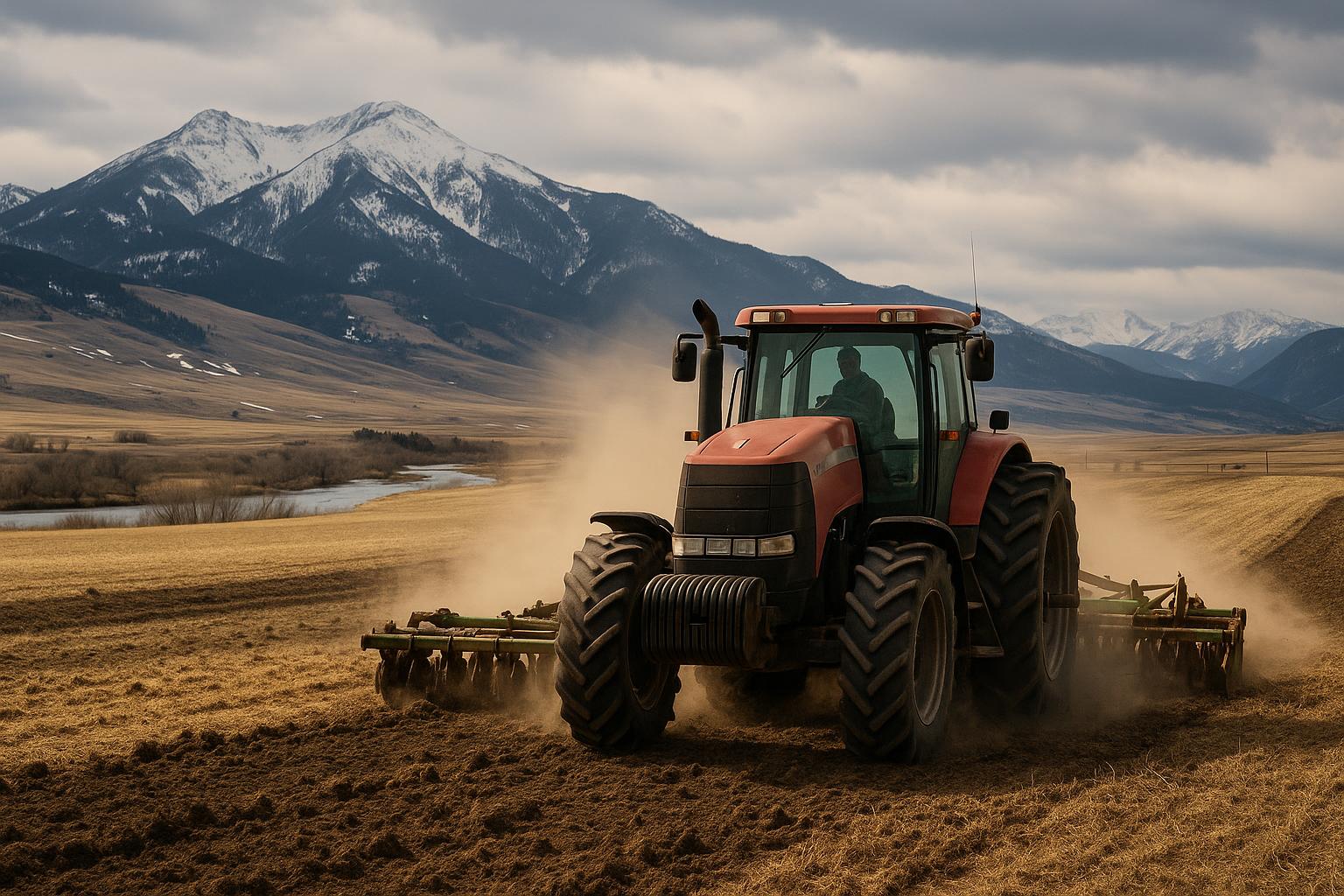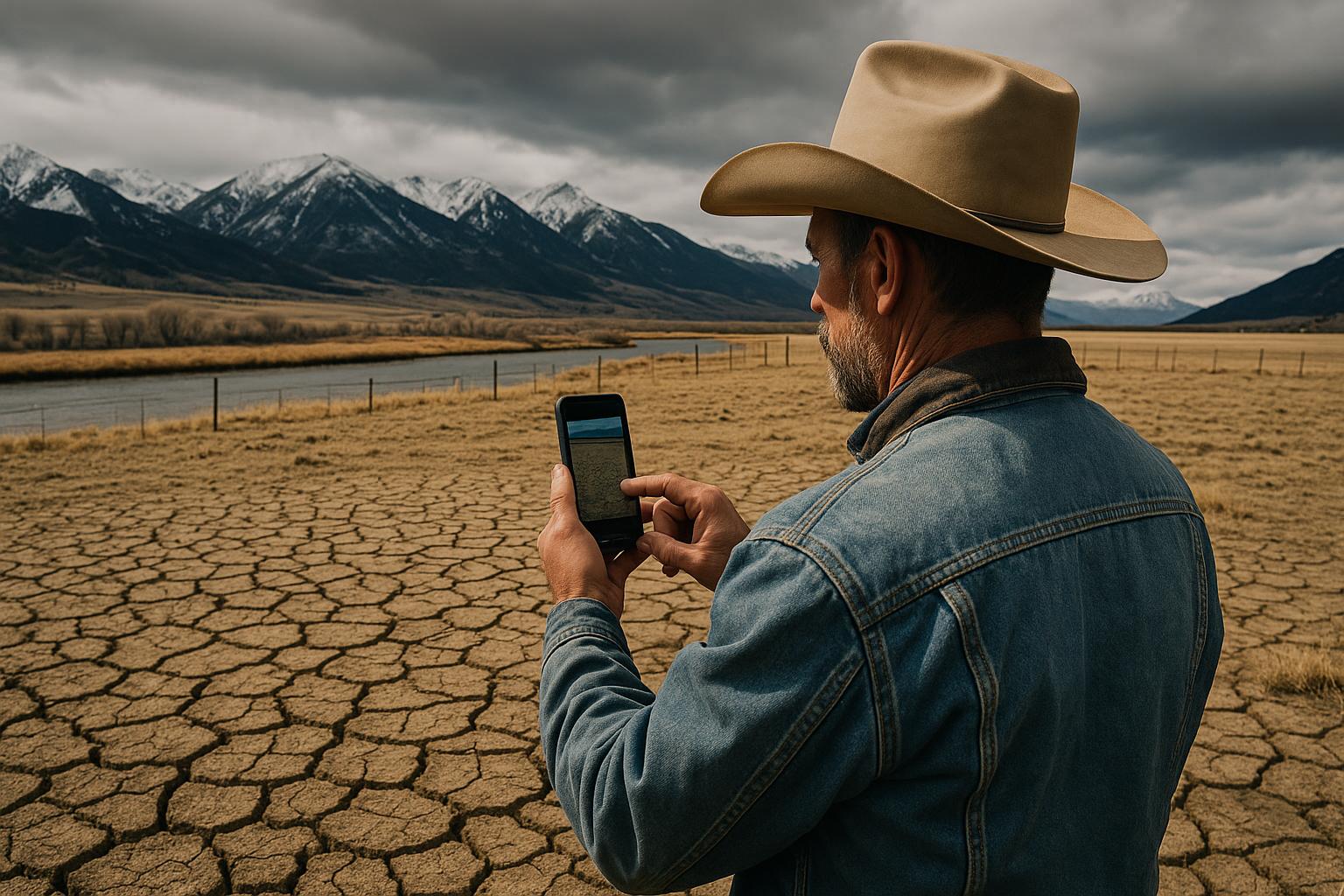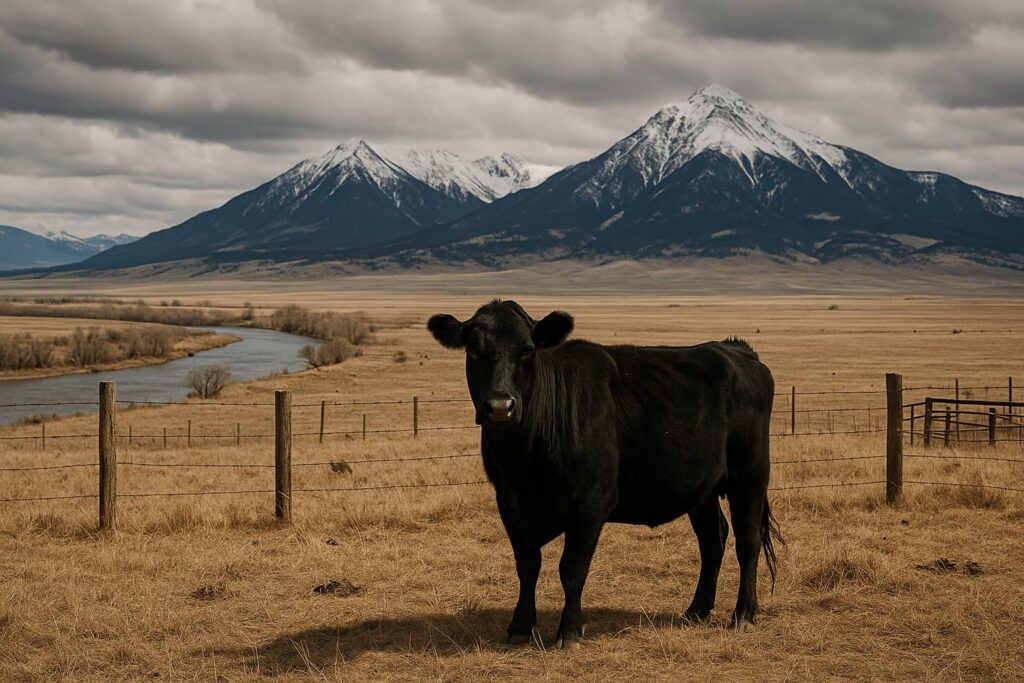
Reports from ag meteorologists watching the central U.S. indicate drought has been hanging on across parts of the western Corn Belt, with limited signs of a quick turnaround. While that geography is outside Montana, the same large-scale weather patterns that keep Nebraska and the Dakotas dry can also influence moisture tracks into the Northern Rockies and the Northern Plains.
For Montana producers, the takeaway isn’t that one forecast decides the season—it’s that persistent dryness in the broader region often shows up at home as tighter hay supplies, higher feed costs, and more pressure on summer pasture. Conditions vary widely from the Hi-Line to the Bitterroot Valley, but the risk management questions are similar: how much forage will you have, how long will stock water hold, and what will it cost to replace feed if yields come up short?
What Happened
Across the western Corn Belt, drought has continued to be a major factor for crop and forage outlooks, according to recent reporting and meteorologist commentary. When drought persists through spring and into early summer, it tends to reduce subsoil moisture and limit a crop’s ability to handle heat and wind later in the season. For livestock country, it can also mean weaker pasture growth and more reliance on stored feed.
Montana’s situation is not uniform. Some valleys can look decent after timely rain while nearby benches and foothills stay short. Irrigated ground in places like the Yellowstone Valley and parts of the Gallatin Valley can buffer dry spells, but irrigation water availability depends on runoff timing, reservoir carryover, and in-season demand.
If you’re tracking conditions, the best public snapshot of drought status remains the U.S. Drought Monitor, which updates weekly and is widely used by lenders, insurers, and policymakers.
Why It Matters to Montana Agriculture
Even when the worst drought maps are centered outside Montana, regional dryness can still matter here for three big reasons:
- Hay and feed markets are connected. If drought trims hay production or corn silage in neighboring states, replacement feed can get more expensive and harder to source. That can ripple into Montana hay pricing and freight costs.
- Cattle decisions get forced earlier. When grass doesn’t come, producers often have to choose between buying feed, moving cattle, or reducing numbers. Early decisions can protect range health but can also pressure local sale barns with more calves or culls at once.
- Irrigation demand rises when rainfall doesn’t show. Dry, windy stretches increase crop water use. That can tighten water scheduling on ditches and increase pumping costs where groundwater is used.
Montana producers have been through enough dry cycles to know the pattern: it’s rarely just one month that breaks you—it’s the long stretch of “almost rain” and the hot wind that follows. That’s why watching soil moisture and streamflow trends can be as important as the next seven-day forecast.
Regional Montana Snapshot: Where the Pressure Shows Up
Conditions can change quickly, but here are the common pinch points producers report when a dry pattern persists:
- Hi-Line: Dryland small grains and hay are especially sensitive to spring moisture. If rains miss during key growth stages, yields can fall fast, and pasture recovery can lag into late summer.
- Yellowstone Valley: Irrigated producers have more tools, but water management becomes the story—runoff timing, canal deliveries, and the cost of keeping pivots running during heat.
- Gallatin Valley: Strong demand for local hay can tighten the market quickly in dry years. Watch second cutting potential and pasture conditions on foothill ground.
- Flathead Valley: Moisture can be more favorable than the plains in some years, but when it turns dry, the combination of warm days and wind can stress pasture and increase irrigation needs for hay.
- Bitterroot Valley: Water scheduling and late-summer flows can become a concern. When hay yields slip, horse and small-lot demand can keep local supplies snug.
For water and drought planning, producers can also keep an eye on NRCS Montana resources and local conservation district updates, especially when cost-share or drought-related programs become available.
What This Means for Montana Ranchers and Farmers
If the broader region stays dry and Montana misses key precipitation windows, the practical impacts show up on the ground in a few predictable ways.
1) Hay yields and quality could be more variable. Inconsistent moisture often leads to uneven stands and shorter regrowth between cuttings. If first cutting comes off light, second cutting becomes critical—assuming water holds and temperatures cooperate. Ranchers should talk early with hay suppliers and line up tonnage before the “panic buy” period.
2) Pasture management may require earlier moves. When grass is slow, grazing pressure builds fast. Rotations that normally work can start to fail, especially on native range. Watch utilization closely and be willing to pull off earlier than planned to protect long-term productivity.
3) Stock water becomes a limiting factor. Springs, seeps, and small reservoirs can drop quickly in a hot, dry stretch. It’s worth checking tanks, pipelines, and backups now—before you need them. If you rely on creeks, monitor flows and consider contingency plans for hauling.
4) Cattle marketing choices may shift. In dry years, more producers consider early weaning, backgrounding changes, or selling pairs versus feeding through. None of those decisions are one-size-fits-all, but the earlier you run the numbers, the more options you keep. Keep an eye on local sale barn volumes and regional feeder demand signals.
5) Irrigation scheduling and costs deserve attention. If you’re irrigating hay, alfalfa, or row crops, track your water availability and energy costs. A dry summer can mean more sets, more pumping, and tighter labor. If water deliveries become uncertain, prioritize fields with the best yield potential and stand longevity.
Bottom line: persistent dryness doesn’t guarantee a disaster, but it does raise the value of planning. Producers who confirm feed, water, and grazing options early usually avoid the most expensive decisions later.
What to Watch Next in Montana Agriculture
For the next several weeks, these are the signposts that will matter most for Montana’s farm and ranch country:
- Soil moisture and “effective rain.” A quick shower doesn’t change much if it doesn’t soak in. Track whether storms are actually recharging profile moisture or just settling dust.
- Streamflow and reservoir trends. If you irrigate, watch local reports and gauge data. The USGS Montana real-time water data can help you see whether flows are holding or sliding.
- First cutting results and second cutting prospects. Hay tonnage, leafiness, and regrowth will shape winter feed budgets. If first cutting is light, start planning for supplementation and alternative feeds sooner.
- Pasture condition and wildfire risk. Dry grass and wind raise fire danger, which can disrupt grazing plans quickly. Coordinate with neighbors on access routes, water points, and contingency pastures.
- Input costs tied to weather. Drought can push up freight, hay, and sometimes mineral and supplement demand. If you expect to buy, consider locking in quantities early.
Producers should also keep an eye on updates from the National Weather Service offices serving Montana. Forecast confidence can vary, but pattern changes—storm track shifts, monsoon moisture surges, or extended heat—often show up there first.
Montana agriculture has learned to operate under uncertainty. The goal isn’t to predict the whole season—it’s to recognize when the odds are shifting and make the low-regret moves: secure feed, protect pasture, and keep water systems ready.
Inspiration: brownfieldagnews.com