Most ranchers think of pneumonia as a fall problem — weaning, hauling, cold rain on bawling calves. So when a two-month-old calf out on grass starts breathing hard with a snotty nose in late June, it doesn’t register right away. By the time you’ve got a handful of sick ones, you’re chasing it through the whole calf crop.
Summer pneumonia in nursing calves is real, it’s frustrating, and it tends to show up in herds that look healthy from the truck. The cows are slick and fat, the grass is good, and the calves are still on milk. None of that protects them once the right combination of stress and bugs lines up.
Why calves on grass still get sick
The basic problem is that the protection a calf got from colostrum at birth fades over the first couple months. By the time a calf is 60 to 120 days old, that early immunity is running thin and its own immune system hasn’t fully taken over. That’s the window when summer pneumonia hits hardest.
Then you stack stress on top. Hot afternoons followed by cold nights, dust, the temperature swings you get in June across most of Montana, and the general crowding around water and shade — all of it wears on a calf. Throw in dust off a dry pasture or a heavy fly load that keeps pairs bunched and bothered, and you’ve got conditions where the common respiratory bugs already living in the herd can take hold.
The viruses and bacteria involved are usually the same ones we vaccinate for and treat in the fall. They’re present in most herds at a low level. Summer pneumonia isn’t something blowing in from the neighbor’s place so much as a flare-up of what’s already there when calves get run down.
Catching it before it spreads
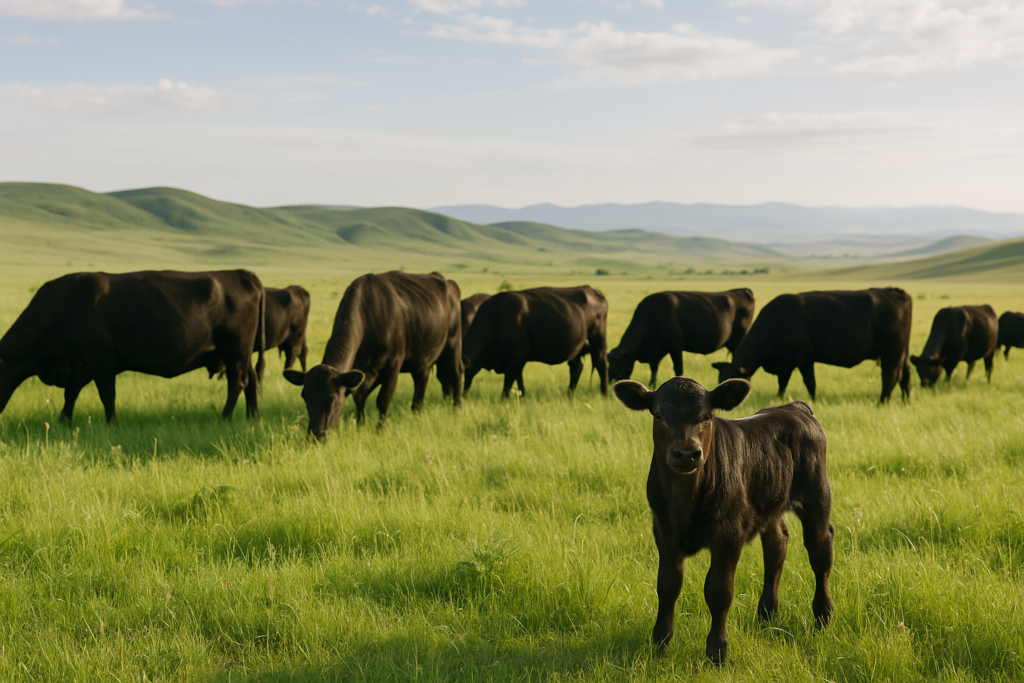
The hard part is that calves on the cow don’t act sick the way weaned calves do. A nursing calf will still get up and follow the cow, still nurse a little, and a casual look across the pasture won’t flag it. You have to actually ride or drive through the pairs and watch.
Things worth looking for:
- A calf standing off by itself with its head dropped while the rest are grazing or laid up together.
- Faster, harder breathing than its pen mates — watch the flanks. A calf working to breathe in the cool of the morning is a bad sign.
- Snotty nose, runny eyes, or a wet cough when it moves.
- An empty, gaunt look from a calf that’s quit nursing well, even though the cow has plenty of milk.
- Ears that droop or a dull, slow attitude.
Catch one early and a single round of antibiotic from your vet usually turns it around fast. Wait until the calf is gaunt, hollow-eyed, and breathing through its mouth, and you’re into repeat treatments and the kind of lung damage that shows up later as a poor-doing calf at weaning. Some of them you simply lose.
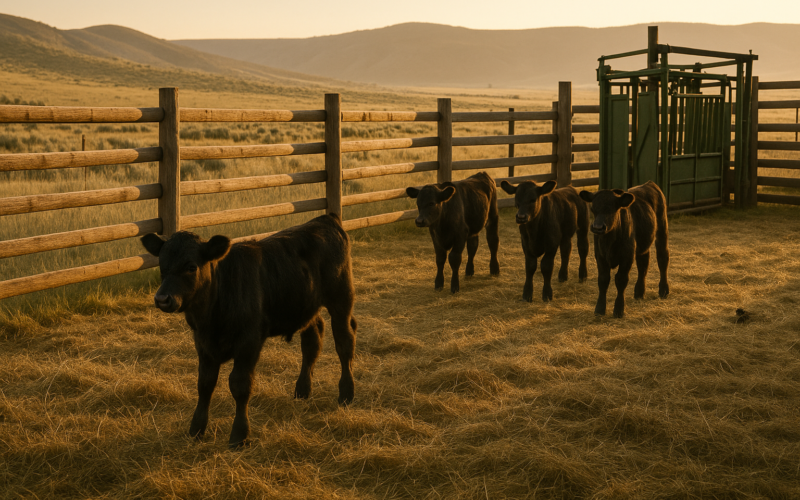
Have a treatment plan worked out with your veterinarian before you need it, including which product and dose, and keep the chute or a good roping situation ready. Treating a sick calf out on summer range is its own chore — many outfits end up roping and doctoring in the pasture, and a few cases will run you back to the corral.
Cutting down the risk
There’s no single fix, but a few things move the needle. Keep water clean and spread out so pairs aren’t packed shoulder to shoulder in dust and manure around one tank. Manage fly pressure — heavy flies keep calves bunched and stressed and that feeds the problem. If you’ve got pastures that turn into dust bowls by midsummer, think about how long pairs sit on them.
Vaccination is worth a conversation with your vet too. A lot of Montana programs hit the respiratory vaccines at branding, but timing and which calves got covered varies. If you’re seeing summer pneumonia year after year, your vet may suggest adjusting when and what you give, and whether the cows’ vaccination status is helping pass on protection. This is herd-specific, so it’s a phone call, not a recipe out of a magazine.
Keep records on which calves you treat and where you find them. If the sick ones keep coming out of the same pasture or the same age group, that tells you something. Summer pneumonia rarely announces itself, so the producers who stay ahead of it are the ones already in the habit of looking close at calves that, from a distance, seem just fine.