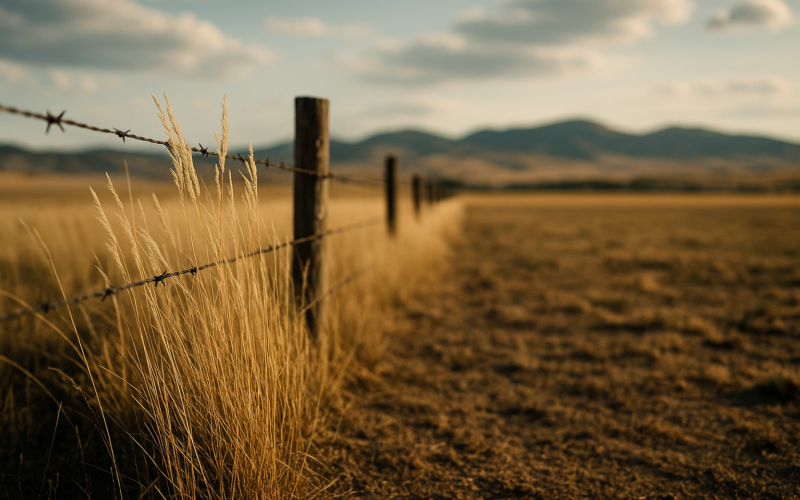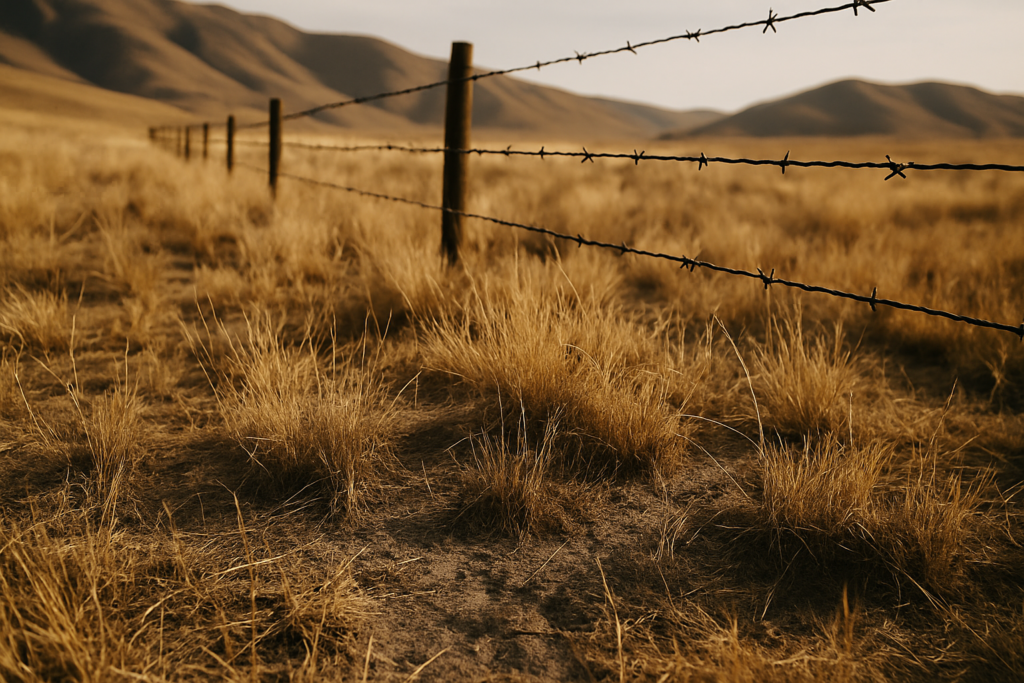
Grasshoppers don’t announce themselves. You notice them the day they’re thick along a fence line, hopping ahead of the pickup in a cloud, and by then a lot of the grass you were counting on for August is already gone. The bugs you can see clearly from the truck window are usually the second act. The first act happened weeks earlier, down in the litter and the bare spots, when the eggs hatched and the nymphs were the size of a match head.
A dry, warm spring speeds the hatch, and a lot of Montana range came into June short on moisture. That’s the setup grasshoppers like. When the grass is already stressed, every bite they take costs you more, because there’s less of it to start with and it isn’t growing back fast.
Why June is the window
Rangeland grasshoppers go through several nymph stages before they grow wings and can fly. Early on they’re wingless. They stay close to where they hatched, they can’t move far, and they haven’t started laying the next generation’s eggs. That’s the cheapest, most effective time to knock the numbers down. A young nymph is easier to kill and hasn’t eaten much yet.
Once they hit adult stage and can fly, the math turns against you. Adults move into a field from a mile off, they’re harder to kill, and a treated pasture gets recolonized within days. Worse, adults are the ones laying eggs in the soil that hatch out as next year’s problem. Hit them as nymphs and you’re cutting into two seasons at once. Wait until they’ve got wings and you’re mostly just chasing them.
The catch is that the hatch is scattered. Not every acre hatches on the same day, and different species come off at different times through late spring and early summer. So a single glance won’t tell you much. You have to go look, more than once.
How to actually scout
Walk the places they build up first: south-facing slopes, field margins, ditch banks, the edge of a hayfield next to weedy borrow-pit ground, roadsides, and any overgrazed patch where the soil is bare and warm. Those margins are the nursery. Grasshoppers often build up along the edges before they push out into open pasture, which is why the county road and fence line get hit first.
The rough field method is simple. Picture a square foot of ground a few steps ahead of you, walk toward it, and count how many hoppers jump out of that square. Do it eighteen times as you walk, and the total gives you a per-square-yard estimate. Do that in several spots and you’ve got a feel for whether you’re looking at a nuisance or a real infestation. It doesn’t have to be precise. You’re trying to tell the difference between a handful and a wall of them.
The number that justifies treatment depends on how much grass you’ve got, what it’s worth to you this year, and how big an area you’d have to cover. Thin, dry range with a heavy count is a different decision than lush ground with a few hoppers. When in doubt, the local Extension office and the state and federal ag folks track hatch timing and can tell you what’s coming off in your area.
Treating without spraying every acre
You don’t always have to blanket a whole pasture. Because the young nymphs concentrate along edges and hatch beds, treating those strips and leaving a buffer untreated can knock down the population while using far less product and leaving refuge for the things that eat grasshoppers. Bran baits and reduced-area border treatments are built around that idea. On large blocks of range, the federal and state programs sometimes coordinate treatment across neighbors, because a lone treated pasture surrounded by untreated ground just refills.
Read the label for grazing and haying restrictions before anything goes on, especially on hay ground you’ll cut in a few weeks. And don’t count on one pass finishing the job when the hatch is still coming off in stages.
The honest summary: the grasshoppers you can drive past in June are cheap to deal with. The ones you drive through in August aren’t. Scouting a few field edges now, before they get their wings, is worth more than any amount of spraying after they’ve spread.