Quick Takeaways
- Winter weather in Montana is expected to be variable, with some cold snaps but overall milder conditions in parts of the state.
- Ice fishing enthusiasts are advised to monitor ice thickness carefully, as consistent freezing temperatures have yet to fully establish thick ice.
- Snowpack and temperature trends may influence late winter hunting and fishing opportunities.
- Outdoor enthusiasts should prepare for changing weather patterns and stay updated with local forecasts.
Montana’s Winter Weather Overview
Montana’s winters are famously unpredictable, and this season is no exception. Reports indicate a mix of cold spells interspersed with warmer periods, resulting in uneven snow and ice conditions across the state. While some regions have seen early winter frost and snow accumulation, others are experiencing milder temperatures that have delayed stable ice formation on many lakes and reservoirs.
Weather experts suggest that this variability is influenced by broader climate patterns affecting the Northern Rockies. As a result, those planning winter outdoor activities—especially ice fishing—should be cautious and keep abreast of the latest ice safety information.
Implications for Ice Fishing
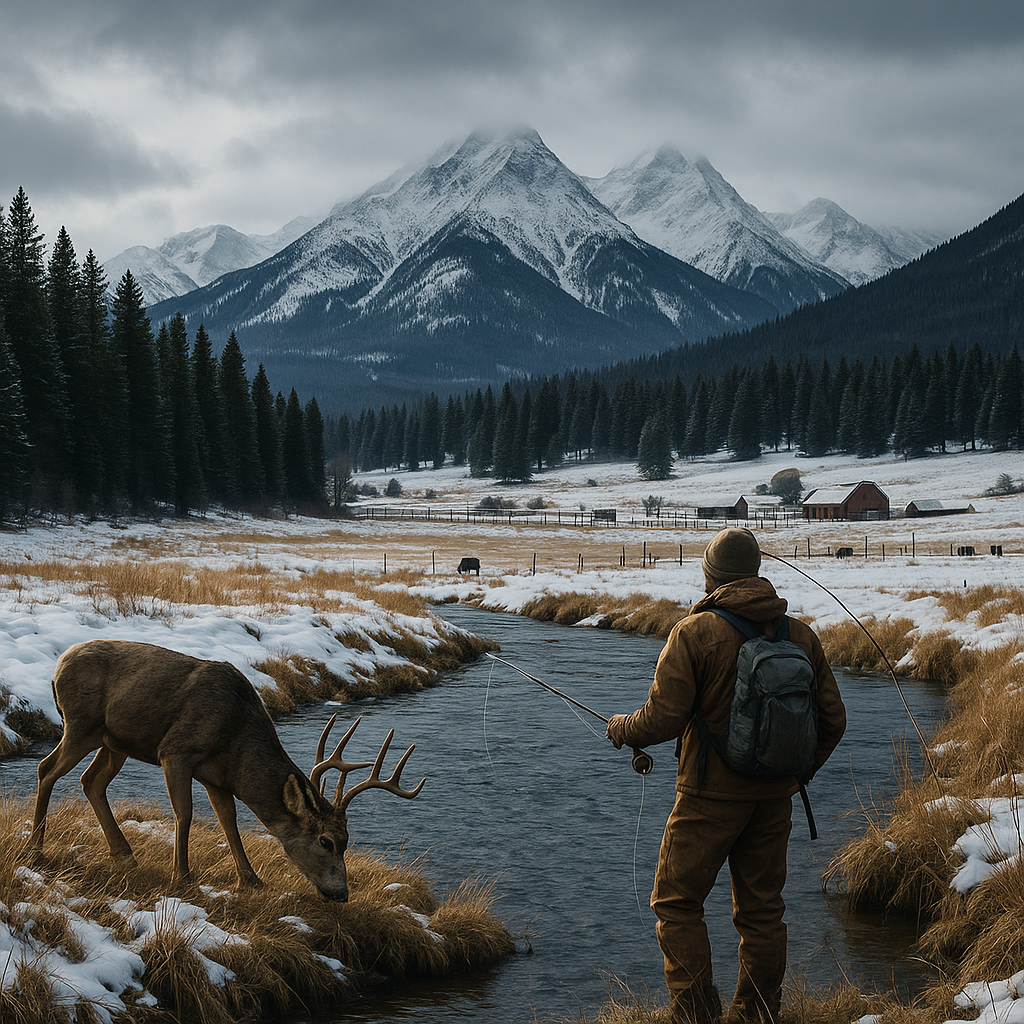
Ice fishing is a popular winter pastime across Montana, but it depends heavily on consistent cold weather to build safe ice layers. Currently, ice thickness varies widely:
- High-elevation and northern lakes have started to accumulate ice, but thickness ranges from just under 4 inches to around 6 inches in some spots.
- Lower elevation and southern waters are still developing ice layers, making travel on ice risky and not recommended in many areas.
- Anglers should use caution, test ice thickness frequently, and follow local safety guidelines before venturing out.
Snowpack and Hunting Conditions
Snowpack levels play an important role in late winter hunting seasons and wildlife movement. At present:
- Snow depth varies considerably, with mountain ranges generally holding more consistent coverage than plains regions.
- Variable snow conditions can affect animal migration and feeding patterns, potentially influencing hunting success and timing.
- Hunters are encouraged to monitor local conditions closely and adjust plans accordingly.
What This Means for Montana
The current winter weather profile suggests a transitional season, with some opportunities and some challenges for outdoor activities. For Montana residents and visitors:
- Ice fishing enthusiasts should prioritize safety and delay trips until ice thickness reaches safe levels.
- Hunters should account for variable snow conditions when scouting and planning their outings.
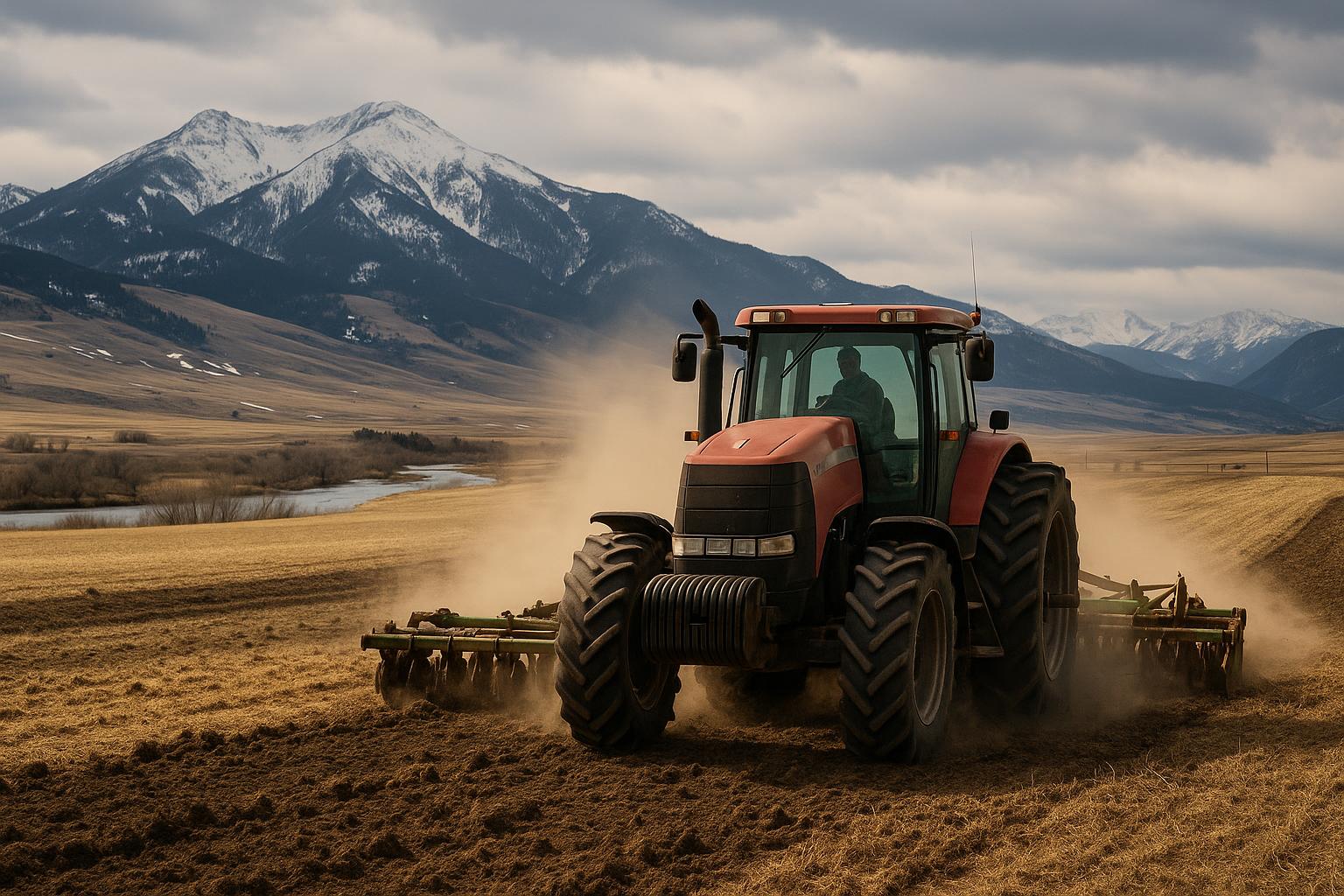
- Farmers and ranchers might see impacts on winter feeding and livestock management due to fluctuating weather patterns.
- Overall, staying informed and prepared will be key to enjoying Montana’s winter outdoors this year.
Staying Updated
Given the variable nature of Montana winters, reliable sources for weather updates are essential. Residents are advised to:
- Follow local weather stations and the Montana Office of Tourism for up-to-date forecasts.
- Check ice condition reports from Montana Fish, Wildlife & Parks before ice fishing.
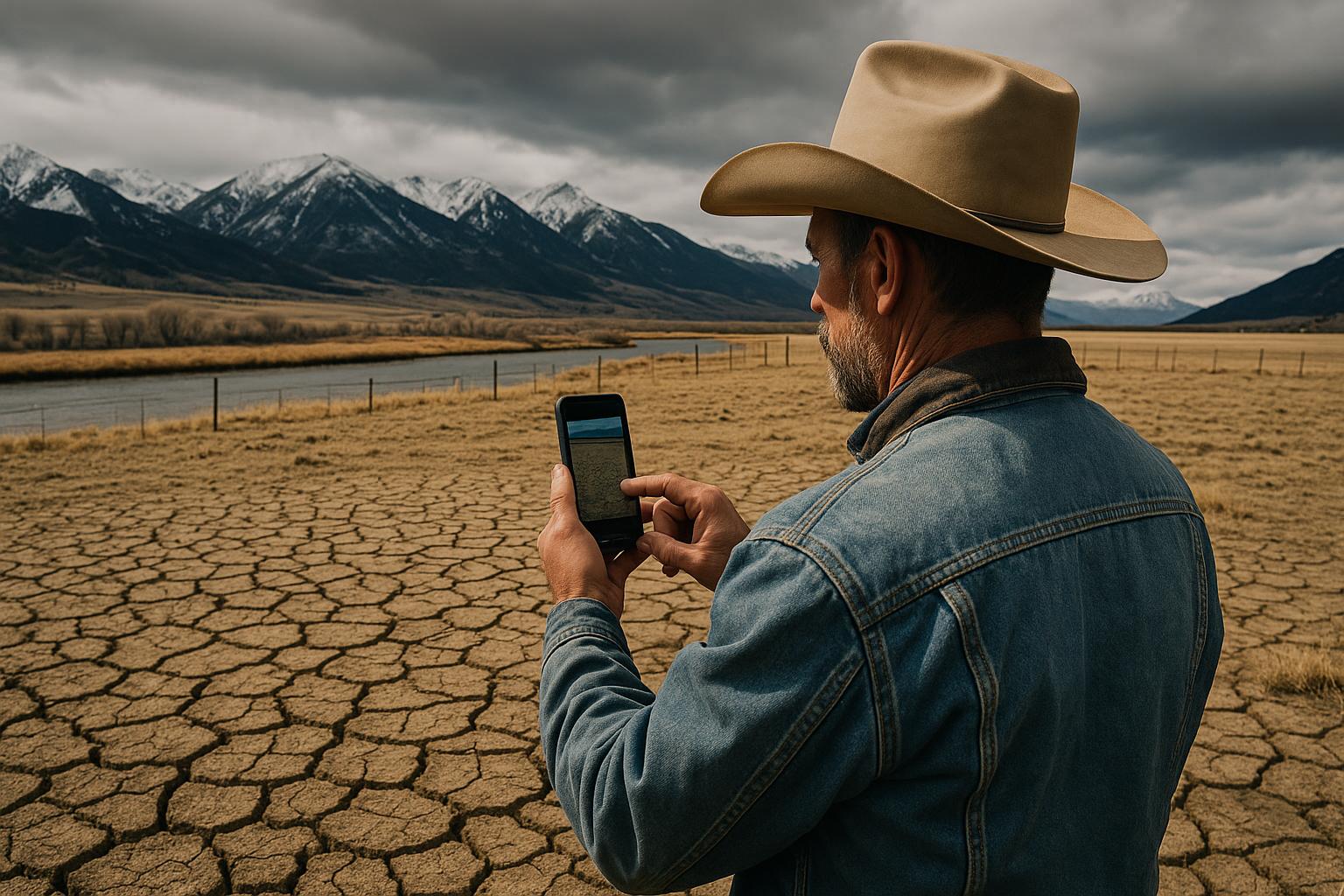
- Use mobile weather apps with alerts tailored to Montana’s terrain and climate.

Final Thoughts
Montana’s winter is shaping up to be one of contrasts, with ice and snow conditions that require patience and vigilance. Outdoor enthusiasts need to balance excitement with caution, ensuring their activities remain safe and enjoyable. Whether you’re waiting for the ice fishing season to fully kick in or preparing for late winter hunts, keeping a close eye on weather trends will help you make the most of Montana’s rugged winter landscape.
Inspiration: Montana Outdoor Podcast – Montana Outdoor