Unpredictable Weather: Lessons from Crans Montana for Montana’s Outdoor Community
Weather is a constant variable for anyone who works or plays outdoors in Montana. Recent reports from Switzerland, where the Crans Montana Downhill World Cup was cancelled due to poor conditions, reinforce just how much the elements can dictate our plans—be it hunting, fishing, farming, or ranching. While a ski race cancellation on another continent might seem distant, the lessons it provides are surprisingly relevant for Montanans who depend on the land and weather every day.
Quick takeaways
- Major outdoor events—even on the world stage—can be stopped by unpredictable weather.
- Montana’s outdoor activities are equally vulnerable to rapid weather changes.
- Adaptability and safety planning are essential for hunters, anglers, and producers.
- Weather trends abroad can sometimes foreshadow local challenges.
Crans Montana’s Setback: What Happened?
According to recent reports, the highly anticipated Crans Montana Downhill World Cup, a major event on the FIS Alpine Skiing calendar, was called off due to unsafe conditions. Organizers cited warm temperatures and inadequate snow stability as the main reasons for the cancellation. This decision, made in the interest of athlete and spectator safety, disappointed competitors and fans but was widely regarded as necessary.
The situation underscores a reality familiar to Montanans: no matter how meticulously you plan, Mother Nature always has the final say. This is a challenge that echoes across all outdoor disciplines—not just for world-class athletes, but for every rancher, hunter, fisherman, and guide navigating Montana’s wild landscapes.
Montana’s Own History of Weather Disruption
Montanans are no strangers to outdoor plans being upended by weather. Consider these familiar scenarios:
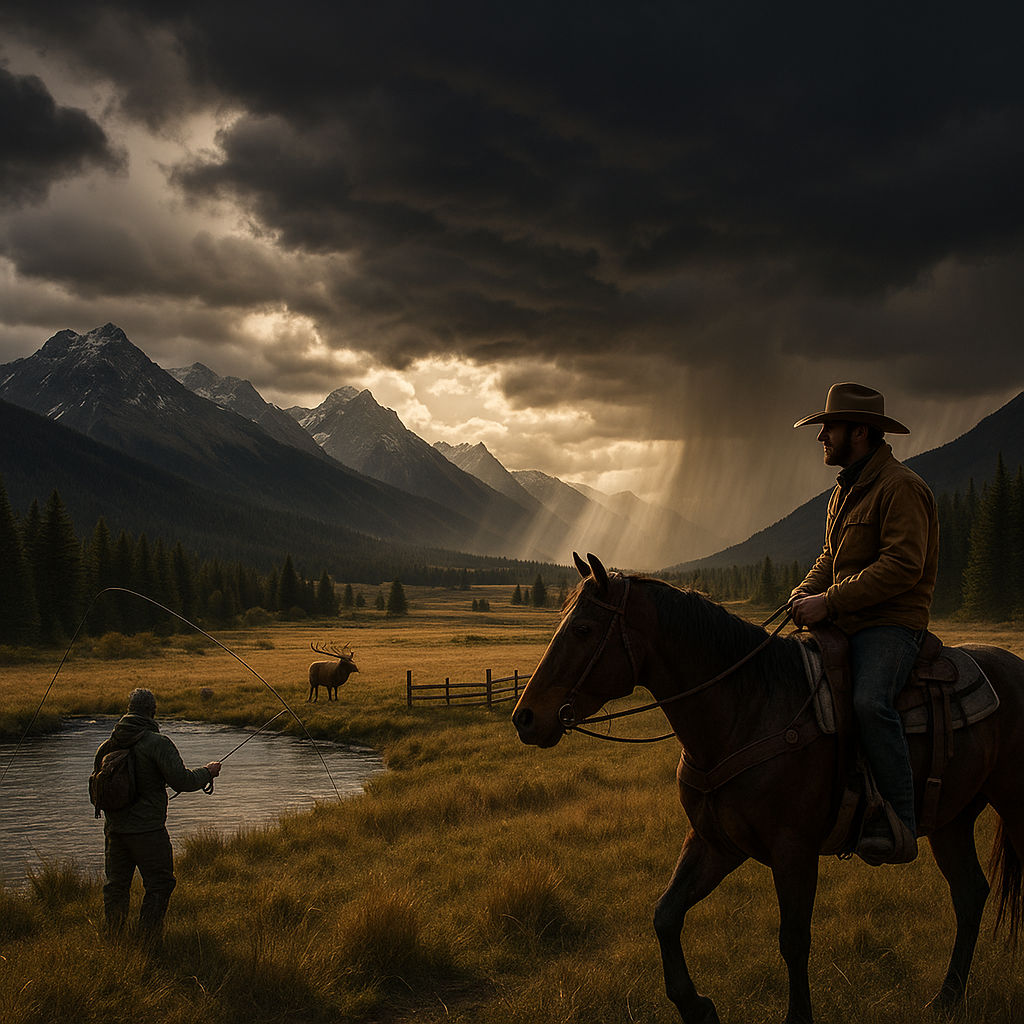
- Hunting seasons delayed or cut short by early snowstorms or unseasonable heat.
- Fishing closures due to low river flows or high water temperatures.
- Ranching operations scrambling to move livestock in advance of blizzards or droughts.
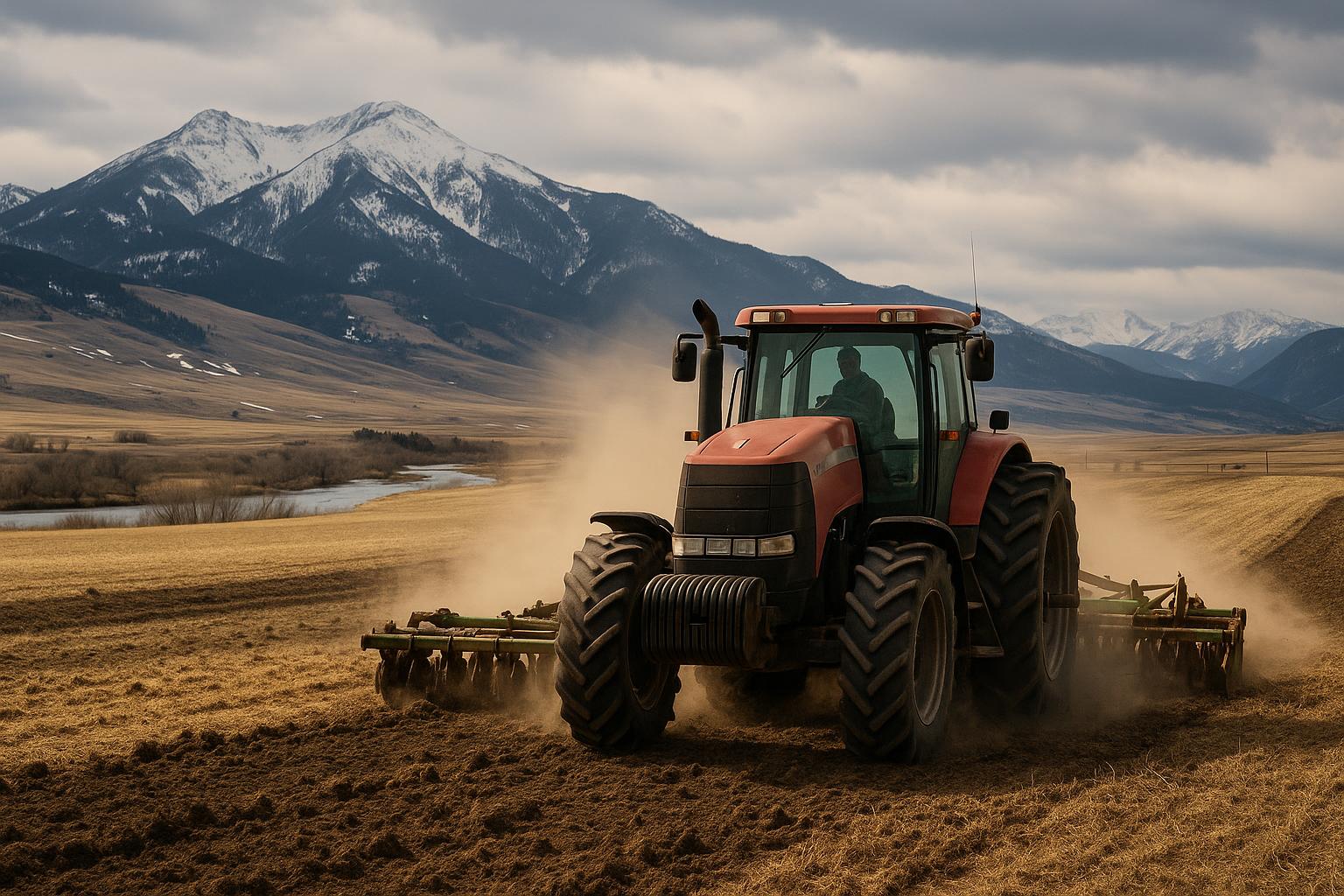
- Farmers facing crop losses because of hail, late frosts, or excessive rain.
Each year brings its own set of challenges, and flexibility has become a key trait for anyone who works outdoors in Big Sky Country.
Understanding the Factors: Weather’s Wide Reach
Extreme weather events and unpredictable seasonal shifts are on the rise, according to meteorological data and local observations. For Montana, this means:
- Longer, hotter summers increasing wildfire risk and stressing water supplies.
- Shorter, milder winters impacting wildlife migration and habitat.
- Sudden temperature swings affecting calving, lambing, and planting schedules.
While a cancelled ski race in Switzerland may seem unrelated, reports indicate that similar patterns of unseasonable warmth and precipitation are cropping up more frequently in Montana, too. The ripple effects can be felt from the ski slopes to the hayfields and riverbanks.
What This Means for Montana
The Crans Montana cancellation is a cautionary tale for anyone planning major outdoor activities in Montana. Whether you’re organizing a hunting trip, scheduling irrigation, or planning a fishing derby, weather can—and will—change the game.
Here’s how Montanans can stay ahead:
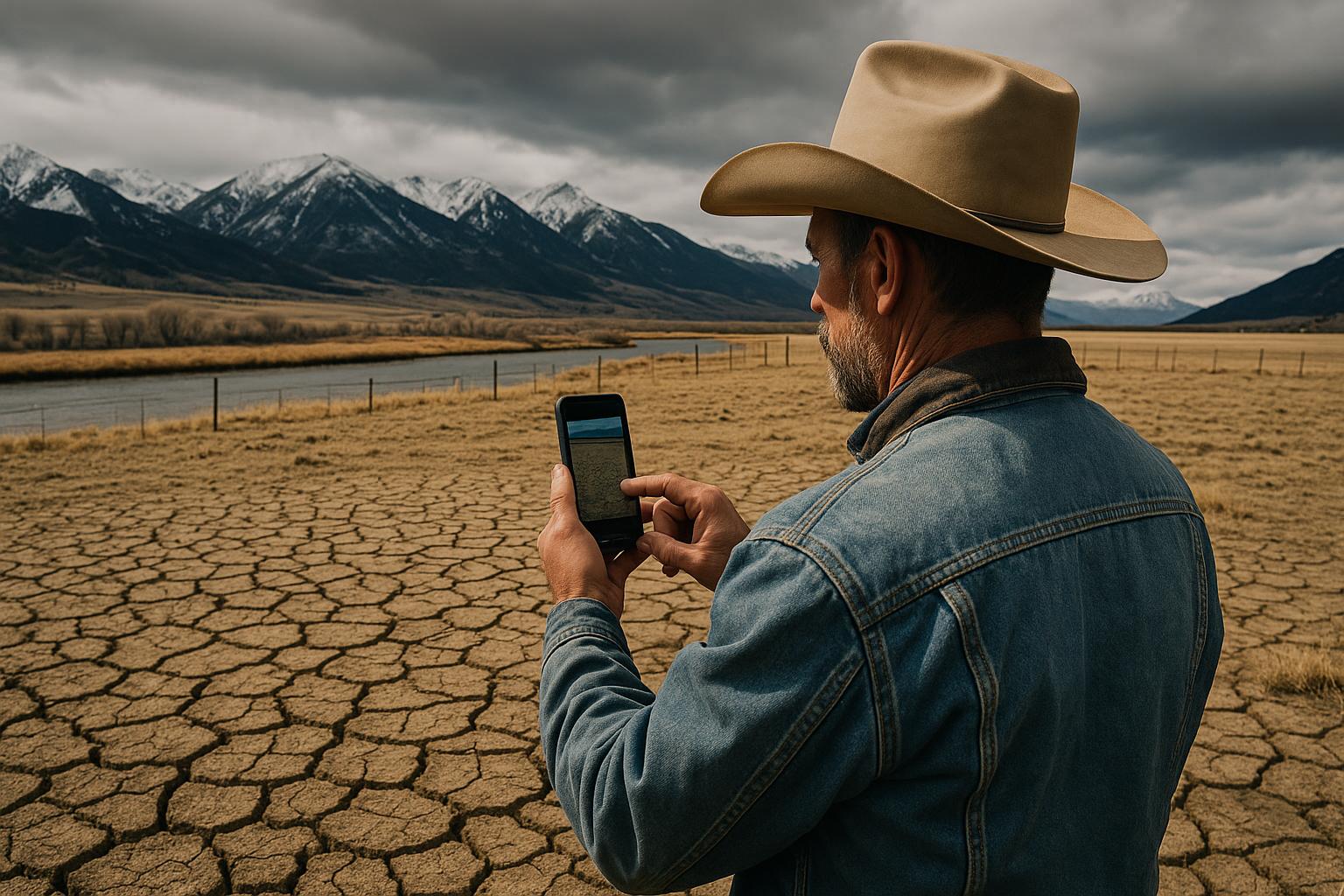
- Stay Informed: Use updated weather apps, NOAA alerts, and local forecasts.
- Have Backup Plans: Always have an alternative activity or location in mind.
- Plan for Safety: Build in extra time and supplies in case conditions deteriorate.
- Support Local Adaptation: Work with local agencies and landowners to advocate for resources that help manage weather impacts.
On the positive side, Montana’s community is well known for its resilience and resourcefulness. Sharing up-to-date information and working together can help mitigate the worst of what unpredictable weather throws our way.
Looking Forward: The Importance of Adaptability
The lesson from Crans Montana is clear: adaptability isn’t just a buzzword—it’s a way of life. For Montana’s outdoor community, this means:
- Checking weather and avalanche conditions before heading into the backcountry.
- Monitoring river flows and water temperatures before planning a float or fishing trip.
- Adjusting grazing schedules and livestock management based on short- and long-term forecasts.
- Staying connected with local clubs, agencies, and online forums for real-time updates.
By staying flexible and keeping safety at the forefront, we can continue to enjoy Montana’s wild bounty—even when the weather doesn’t cooperate.
Conclusion
Montana’s outdoors offer incredible opportunities, but also demand respect for the unpredictability of the natural world. The recent Crans Montana World Cup cancellation is a timely reminder: weather can change everything, anywhere. As the seasons shift and conditions evolve, let’s be prepared to adapt, stay safe, and make the most of what Montana has to offer—no matter what the forecast brings.
Inspiration: “montana” – Google News