Quick takeaways
- Whitefish serves as a major entry point to Glacier National Park’s wilderness.
- The Flathead Valley offers a mix of hunting, fishing, and agricultural opportunities.
- Tourism and outdoor recreation drive the local economy, but residents remain grounded in traditional Montana values.
- Conservation efforts balance the needs of wildlife, recreation, and working lands.
- Montanans benefit from access to world-class landscapes, but must navigate growth and environmental pressures.
Whitefish: The Northern Doorway
On the edge of Montana’s Flathead Valley, the town of Whitefish stands as more than just a picturesque ski hub. It’s a living gateway to the wild heart of Glacier National Park, offering outdoor enthusiasts and working landowners alike access to a landscape that shapes both livelihoods and lifestyles. For generations, the city’s residents have balanced appreciation for their surroundings with the practical demands of agriculture, ranching, hunting, and fishing.
Flathead Valley’s Outdoor Bounty
Few places in Montana combine such a rich mix of wild country and productive land as the Flathead Valley. With the Whitefish Range to the west and the jagged peaks of Glacier to the east, it’s a region where elk, deer, bear, and mountain lion roam. The valley’s rivers and lakes—especially Whitefish Lake and the Flathead River—draw anglers from across the state for trout, northern pike, and whitefish. Meanwhile, fertile ground supports hay, grains, and cattle, making it one of Montana’s most diverse agricultural regions.
From Trailheads to Hayfields
Ask a local hunter about autumn in Whitefish, and you’ll likely hear stories of bugling elk on the forested foothills or whitetails slipping through creek bottoms. The proximity to Glacier National Park means resident and non-resident hunters alike often target the area’s robust game populations, carefully following Montana Fish, Wildlife & Parks regulations to balance opportunity and stewardship.
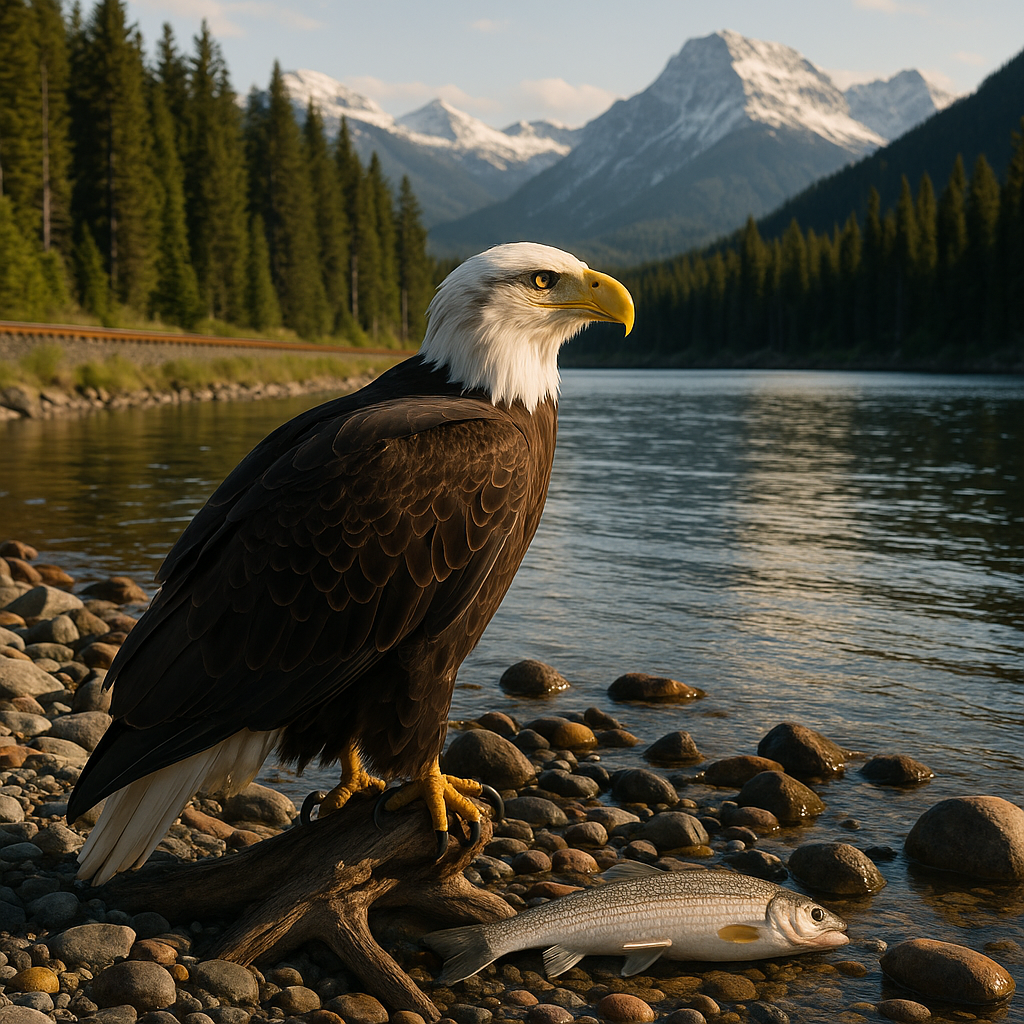
Fishing is equally ingrained in local culture. Reports indicate the Flathead River and Whitefish Lake see a steady influx of anglers pursuing native westslope cutthroat, lake trout, and kokanee salmon. Access points near town make spontaneous after-work outings possible, while more remote stretches offer solitude and a shot at trophy fish.
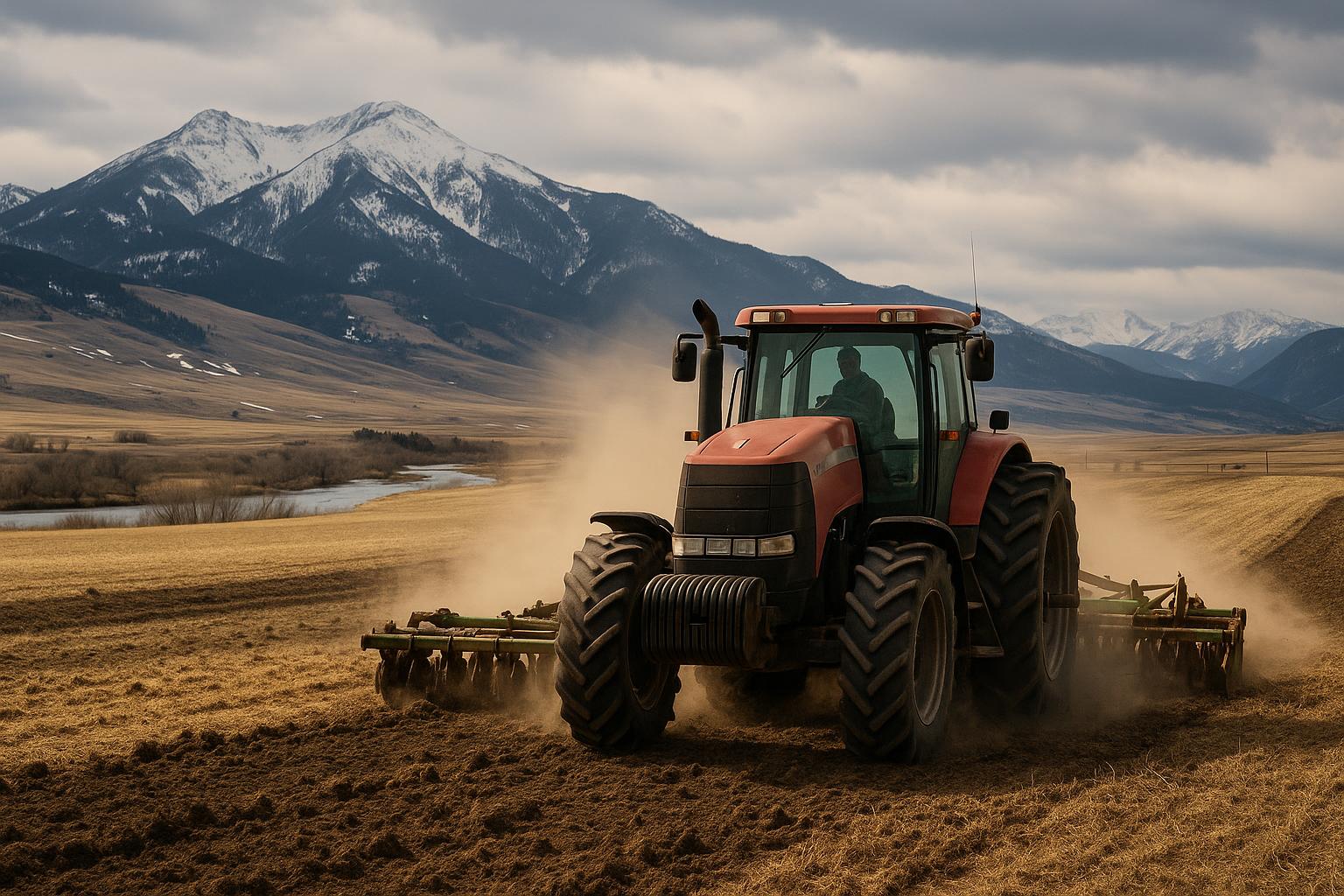
And while outdoor recreation gets much of the attention, farming and ranching remain vital. Locals balance the pressures of a growing tourist economy with the need to keep working lands productive, passing down traditions as enduring as the mountains themselves.
Tourism Meets Tradition
Whitefish’s reputation as a year-round destination has grown rapidly, fueled by its proximity to Glacier and its blend of small-town hospitality with natural grandeur. Reports from local business groups note that summer and fall see surges of visitors, many drawn to hiking, wildlife watching, and lake recreation. Winter brings skiers and snowboarders to Whitefish Mountain Resort.
But unlike some resort towns, Whitefish has managed to remain rooted. Residents don’t take their access to wild country for granted. Community leaders, ranchers, and conservation groups work to ensure that open space, wildlife corridors, and productive land remain part of the landscape, even as new homes and businesses spring up.
Conservation and Wild Stewardship
Flathead Valley is home to one of Montana’s most active land trust communities. Programs like the Flathead Land Trust work with landowners to place conservation easements on agricultural and forested lands, ensuring wildlife have space to roam and future generations can continue to hunt, fish, and farm. The proximity to Glacier also means federal, state, and private stakeholders regularly coordinate on issues like wildlife migration and invasive species.
Recent years have brought challenges. Growth pressures, rising land values, and increased recreation have put strains on infrastructure and habitat. But many locals see these as reasons to double down on stewardship, not as excuses to retreat from tradition.
What this means for Montana
Whitefish and the Flathead Valley embody the tension—and the promise—at the heart of modern Montana. As more people discover the area’s wild beauty, the challenge will be to keep it accessible for hunters, anglers, and working families, not just tourists. Success here could serve as a model for other gateway communities balancing economic opportunity with the protection of what makes Montana special.
For those who hunt, fish, farm, or ranch, the lesson from Whitefish is clear: local voices, local traditions, and local stewardship are the best tools for keeping Montana’s wild identity alive, even as the world comes knocking at the park gates.
Inspiration: “glacier national park” – Google News.