New Conservation Easement Safeguards 105 Acres Near Glacier National Park
In a significant move for Montana’s outdoors, a 105-acre parcel near Glacier National Park has been protected under a new conservation easement. This latest effort, coordinated with local landowners and conservation partners, aims to maintain open space, crucial wildlife habitat, and the scenic character that makes the region special.
Quick takeaways
- 105 acres near Glacier National Park now under conservation easement
- Protection helps preserve wildlife corridors and open space
- Effort involved private landowners and conservation groups
- Supports Montana’s hunting, ranching, and outdoor traditions
What is a Conservation Easement?
A conservation easement is a voluntary, legal agreement that limits certain types of development or land use, ensuring the land remains largely natural or used for traditional purposes like grazing or agriculture. The land remains private, but the restrictions are permanent and transfer to future owners. In Montana, these easements are popular tools for balancing working lands and wildlife needs.
Where is the Easement Located?
The protected 105-acre parcel sits just outside the western boundary of Glacier National Park, an area known for its rich wildlife and dramatic landscapes. This region serves as a critical buffer between the wildlands of the park and more developed private lands to the west. According to reports, the property includes grasslands, riparian areas, and timber, all of which support a diverse range of species.
Why This Land Matters
The Flathead Valley and the lands surrounding Glacier National Park are under increasing pressure from development and subdivision. As more people move to Montana and land values increase, open space and wildlife corridors are at risk. Reports indicate that this particular property provides:
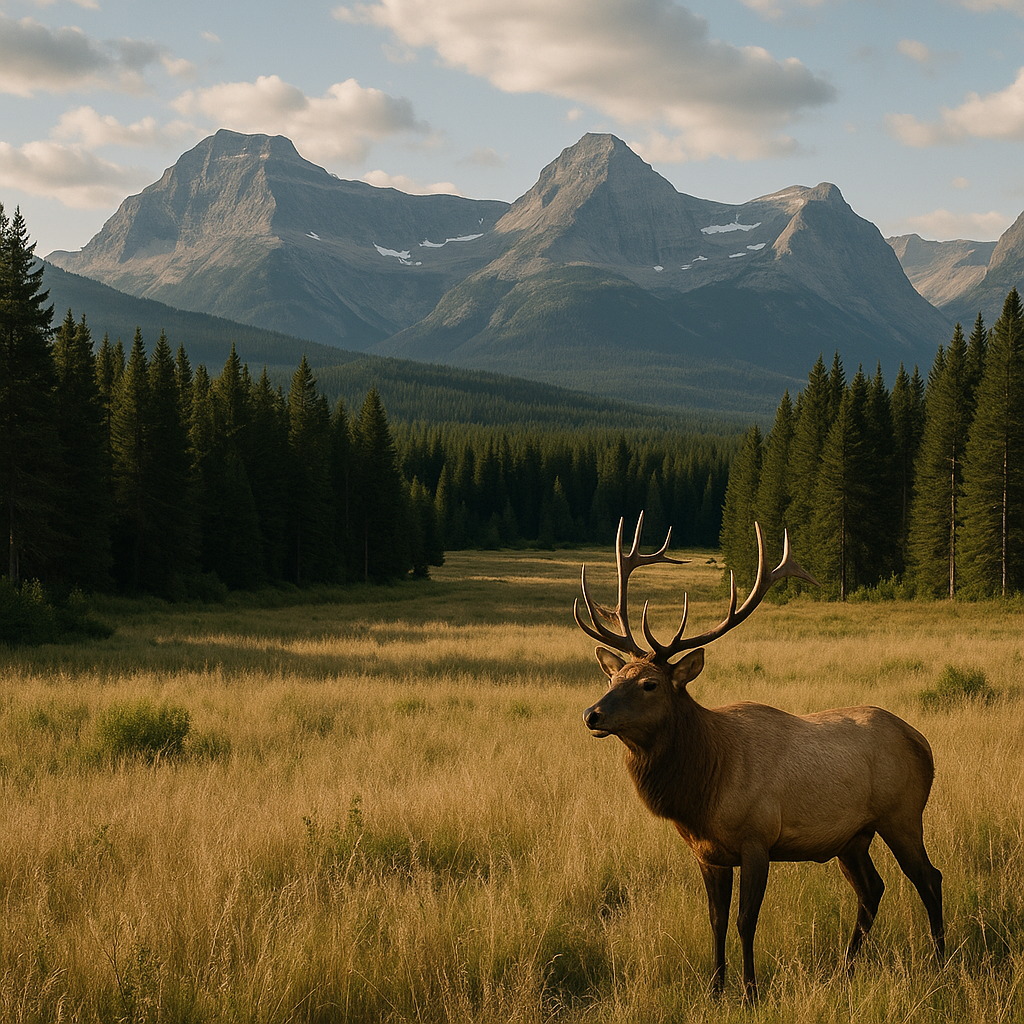
- Seasonal habitat for elk, deer, and black bear
- Migration routes for grizzly bears and other wide-ranging species
- Wetlands that support waterfowl and native trout
- Pasture and hay for livestock
Who’s Involved?
The easement was established through a partnership with local landowners, conservation organizations, and possibly state or federal agencies. While the land remains privately owned, the easement terms ensure that it cannot be subdivided or developed for residential or commercial purposes. Conservation groups often work with families to tailor easements so that traditional ranching or farming can continue, while the land’s natural values are maintained for future generations.
Benefits for Wildlife and Outdoor Recreation
For Montana’s hunters, anglers, and wildlife watchers, conservation easements like this protect the habitat that supports robust game populations and healthy fisheries. By maintaining large, unfragmented tracts of land, these agreements help keep migration corridors open and reduce conflicts between people and wildlife. They also safeguard the scenic views and quiet spaces that draw millions to the Glacier region each year.
Some potential benefits include:
- Stable populations of game species such as elk, whitetail and mule deer
- Improved water quality in streams supporting cutthroat and bull trout
- Reduced risk of habitat loss for threatened species, including grizzly bears
- Continued opportunities for hunting, fishing, and birdwatching
Challenges and Considerations
Not every conservation easement is the same, and each comes with its own set of opportunities and tradeoffs. Landowners must balance the financial incentives and property rights involved. In some cases, public access is allowed, while in others, the land remains private. The key is crafting agreements that benefit both local families and Montana’s broader outdoor heritage.
Funding for these easements often comes from a mix of private donations, nonprofit organizations, and government programs. As Montana’s population grows, the demand for conservation funding and land stewardship tools is expected to increase.
What this means for Montana
This new conservation easement near Glacier National Park is another example of Montanans coming together to maintain the state’s wild character and working landscapes. By securing key parcels now, communities can help ensure that future generations have access to healthy wildlife populations, clean water, and open spaces for hunting, fishing, and ranching. As development pressures intensify, collaboration between landowners and conservationists will be ever more crucial.
Looking Ahead
Montana’s rich traditions of stewardship and outdoor recreation depend on wide-open lands and healthy habitats. Conservation easements provide a flexible, locally-driven tool for keeping these landscapes intact. With every acre protected, Montana’s outdoor future looks a little brighter.
Inspiration: “glacier national park” – Google News