Most folks in Montana would rather talk snowpack, calving, or where the elk are staging than what’s happening in a courtroom. But when a case lands in a district court—especially one covering fast-growing country around Bozeman—there can be ripple effects for public access, landowner disputes, enforcement priorities, and how state rules get interpreted on the ground.
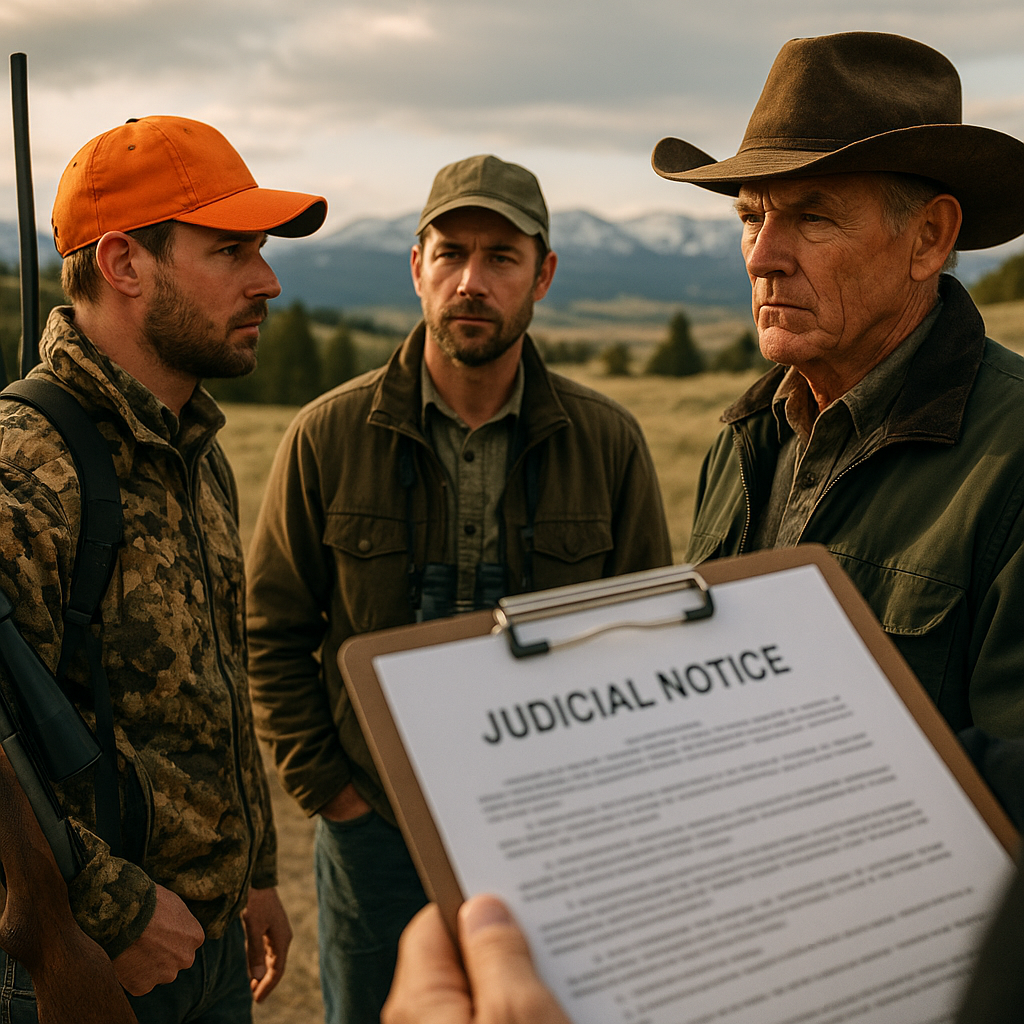
Reports indicate a notice or update tied to Montana’s Eighteenth Judicial District (the district that includes Gallatin County) has been circulating via regional news feeds. Even when the details are thin at first glance, it’s a good reminder: legal decisions and court processes can shape how hunting, fishing, farming, and ranching issues play out long after the headlines fade.
Quick takeaways
- District court cases can influence access and enforcement through injunctions, interpretations of statutes, and outcomes that set expectations for future disputes.
- Land and water conflicts often show up in court—from easements and road access to irrigation disagreements and property boundaries.
- Wildlife-related cases aren’t always about poaching; they can involve permits, agency decisions, and conflicts at the edge of development.
- Stay cautious with early reports until filings, orders, or official notices are available.
- Knowing where to look (court calendars, clerk offices, agency updates) helps you track what matters to your operation or season plans.
What is the 18th Judicial District—and why should you care?
Montana is divided into judicial districts that handle a wide range of cases, from civil disputes to criminal matters. The Eighteenth Judicial District includes Gallatin County—home to Bozeman and an expanding mix of working ranches, small acreages, subdivisions, and public-land recreation pressure.
That mix is exactly why court actions there can be relevant to the outdoor and ag community:
- More people, more conflict points: road use, trespass allegations, fence lines, livestock interactions, noise and nuisance complaints, and water use disputes tend to increase as landscapes change.
- Higher recreation demand: access routes, trailheads, and river corridors can become flashpoints.
- Agency decisions get challenged: state and local approvals—sometimes tied to land use, wildlife management, or enforcement—can land in court.
How court actions can affect hunting and fishing
Most hunting and fishing rules in Montana come through the Montana Fish, Wildlife & Parks Commission and state statutes. But courts can still matter in several practical ways.
1) Access and easement disputes
Access fights aren’t always settled with a handshake at the gate. Some land access issues end up as civil cases involving:
- prescriptive easements (claims that long-term use created a legal right),
- recorded easements and right-of-way interpretation,
- county road status disputes,
- trespass claims and damages.
A single ruling won’t rewrite statewide access law, but it can change what’s happening on a specific road, trail, or river corridor—and those changes can be immediate if a judge issues an order affecting use.
2) Enforcement and criminal cases
When wildlife violations are prosecuted, district courts can be where cases land—especially if they’re serious. Outcomes can influence how the public perceives enforcement and how future cases are negotiated. It’s also where due process plays out: evidence, procedure, and sentencing.
3) Challenges to agency decisions
Sometimes disputes aren’t about a hunter’s actions but about a decision by an agency or local government—permits, closures, land-use approvals, or other administrative actions. If those disputes move into court, the result can affect timelines and expectations for seasons, access points, or project mitigation.
For official rules and season dates, the safest source remains Montana Fish, Wildlife & Parks. Court coverage is best treated as context unless an order specifically changes access or enforcement in a way that affects the public.
How court actions can affect farming and ranching
In ag country, the court system often becomes the referee when long-running disagreements can’t be solved across a kitchen table. In a fast-growing district like Gallatin County, common themes can include:
- Water and irrigation conflicts: ditch access, maintenance responsibilities, and disputes between neighbors about timing and flows. (Many water rights issues are handled through specialized processes, but related conflicts can still show up in district court.)
- Property boundaries and fences: survey disagreements, encroachments, and claims tied to historical use.
- Livestock and neighbor complaints: allegations involving roaming stock, crop damage, dogs, or safety concerns.
- Development pressure: as parcels change hands and get subdivided, disagreements over roads, utilities, and shared infrastructure become more common.
Even if a case doesn’t directly mention agriculture, the precedent—or simply the attention—can shape how landowners document agreements, post property, or manage access for recreationists.
What to watch for when details are limited
When a headline references a judicial district without much context, it can be anything from a routine notice to a significant court action. Until the underlying document is available, it’s smart to keep your conclusions modest.
Here are practical questions to ask before you change plans or repeat a claim:
- Is this a criminal case, civil case, or administrative appeal? Each has different implications.
- Is there an order that changes behavior right now? Temporary restraining orders, injunctions, or bond conditions can have immediate effects.
- Is the issue location-specific? Many disputes affect one road, one property, one stretch of river, or one permit area.
- Is it final? Early filings and hearings don’t always predict the outcome, and appeals can extend timelines.
Where Montanans can find reliable information
If a court-related item could affect your season plans or your operation, it’s worth going beyond the headline. A few options:
- Official court information: Check Montana’s Judicial Branch resources and local clerk-of-court postings for calendars and public notices. (Availability varies by case type and privacy rules.)
- Local government updates: County commission agendas and road department notices can clarify whether a dispute involves a county road or public right-of-way.
- Agency sources: For hunting/fishing impacts, verify with FWP or relevant land agencies before assuming a court matter changes regulations.
- On-the-ground confirmation: For access, signage and direct contact with landowners or managers can prevent a bad decision at the trailhead.
What this means for Montana
Montana’s outdoor traditions and working lands are increasingly sharing the same space with rapid growth, high land prices, and heavier recreation use. In that environment, courts become one of the places where competing expectations get sorted out—sometimes in ways that affect everyday people more than they expect.
For hunters and anglers, the biggest practical takeaway is that access and enforcement can hinge on legal interpretations that don’t always make the evening news in plain language. For farmers and ranchers, the reminder is that clear documentation and communication—easements, road agreements, water arrangements, and neighbor understandings—can reduce the odds that a disagreement turns into a costly legal fight.
And for everyone who cares about Montana’s landscape, court dockets are a signal: when conflicts rise, it’s often because the land is changing fast. Paying attention early—before a dispute hardens—can help keep working relationships intact and keep the public conversation grounded in facts.
Practical steps you can take this season
- Double-check access routes before you tow a trailer or commit a full day: confirm whether a road is public, private, or disputed.
- Keep interactions professional at gates and property lines; if there’s conflict, leave and sort it out through proper channels.
- Document agreements for shared roads, ditch maintenance, and property use—especially where new neighbors or new owners are involved.
- Rely on official sources for rule changes; don’t assume a court headline equals a regulation update.
Inspiration: “montana” – Google News