If you’ve ever “checked one reel” and lost half an afternoon online, you know the season—even when the weather won’t admit it. In this case, it’s winter, despite a day that was sunny and mild and a weekend skiff of snow that already feels like a faded memory.
- Quick takeaways
- Winter can show up as gear obsession: half an afternoon was spent online shopping for fly reels.
- The day described was sunny and mild, and the weekend’s skiff of snow is already “a faded memory.”
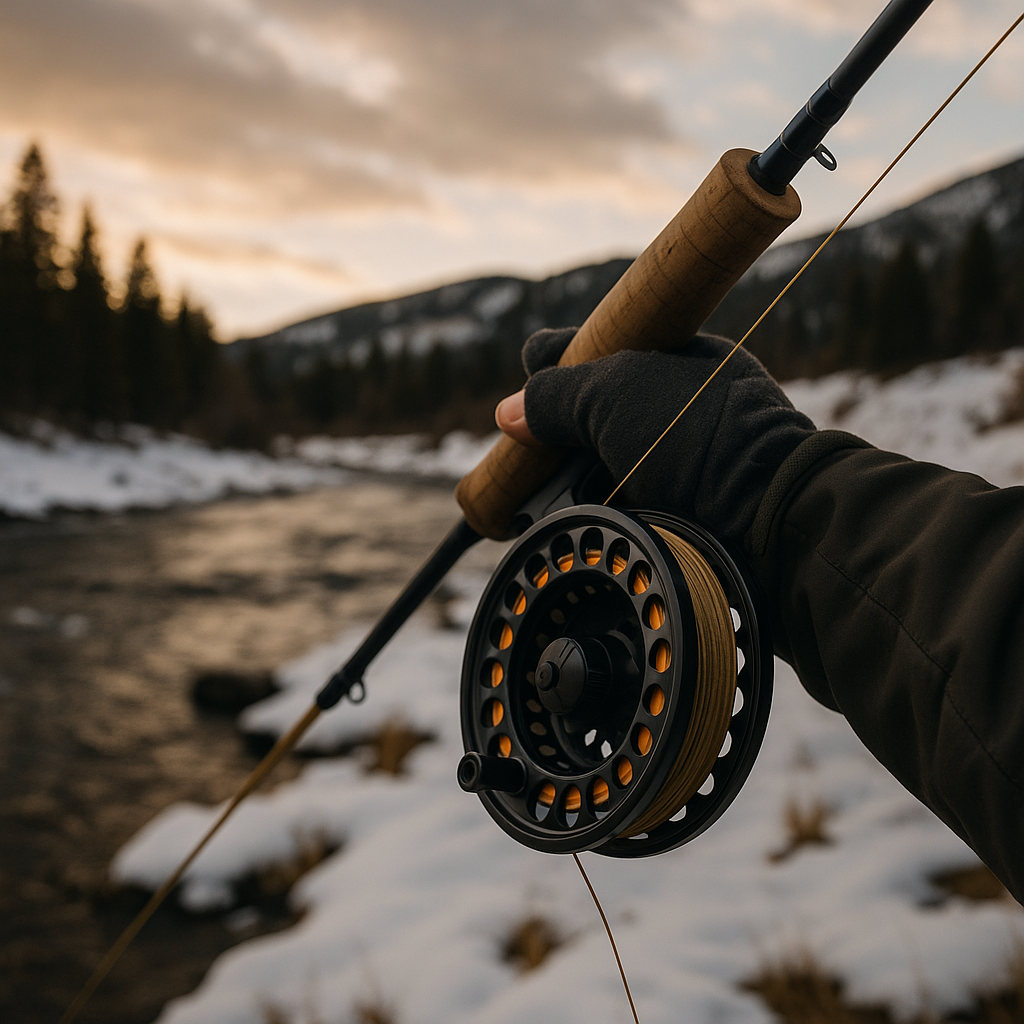
- Fly reels used to be treated like line-storage devices; the author emphasizes that drag performance matters.
- Without more snow, the author warns there “won’t be much river this summer.”
When weather stops being a season calendar
The author frames the day plainly: it was sunny and mild, and the weekend’s skiff of snow is already described as a faded memory. That’s part of the point—weather has become an unreliable tool for determining seasons.
So how do they know it’s winter? Not by the thermometer. By behavior: half the afternoon online shopping for fly reels.
From “line storage” to a piece of gear worth obsessing over
The author admits they’re more obsessive about fly reels than most fly fishers—and ties that obsession to how reels have changed in meaning.
- In earlier days, a fly reel was considered little more than a line-storage device.
- Fish were often fought by hand, using finger pressure on the line as a makeshift drag.
- They fly fished almost exclusively for trout then, and only occasionally played a trout on the reel.
Old-school drag: noise makers and palming the spool
On older reels, the author says click-and-pawl drags were basically just noise makers. The real control came from the angler: palming the exposed spool to slow a running fish.
For the fish they targeted—trout, bass and panfish—that method worked just fine.
The moment a reel stops being optional
The story’s pivot comes on the water: while float tubing a lake somewhere in the Sierra, the author tangled with a fish big enough to take line at will. That’s the kind of encounter that forces a rethink about what a reel needs to do.
Why drag matters (and when it breaks your heart)
The author puts it bluntly: saltwater fly fishing is the fastest way to learn how much drags matter. And it’s not just about stopping power—it’s about smoothness.
When a fish stops and then runs again, the author says reels with high startup inertia can snap tippets.
Over time—especially after later getting a job selling fishing equipment—the author says they became a convert: paying more for better reels and getting into the habit of playing fish from the reel whenever possible.
What this means for Montana
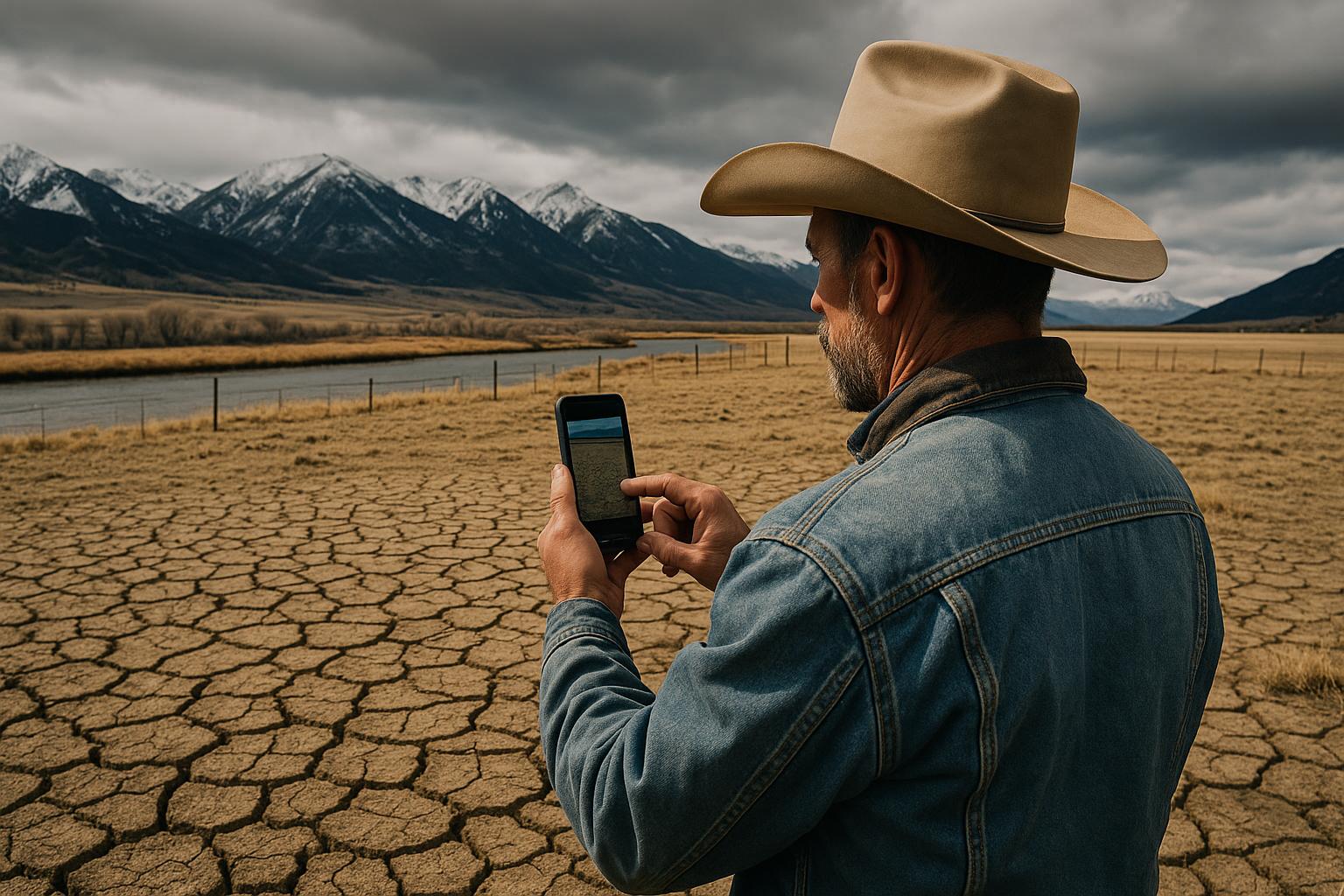
The author notes the day was mild and sunny in the midst of winter, with the weekend’s skiff of snow already fading from memory—and adds a clear worry: there won’t be much river this summer if they don’t get more snow.
In other words, the same season that drives anglers indoors to shop gear is also the season that needs to deliver snow—because the author is looking ahead to summer flows.
FAQ
Q: How does the author know it’s winter?
A: They say they know because they spent half the afternoon online shopping for fly reels.
Q: What was the weather like on the day described?
A: It was sunny and mild.
Q: How did the author control fish before modern drag systems mattered?
A: They fought fish by hand using finger pressure on the line as a makeshift drag, and anglers often slowed fish by palming the exposed spool.
Q: What’s the concern about this summer?
A: The author says there won’t be much river this summer if they don’t get more snow.
Inspiration: Outdoors – Flathead Beacon