Every winter, Montana’s rodeo and roping world keeps one eye south. When an Arizona town like Wickenburg starts drawing attention for a big, branded rodeo weekend in 2026, it’s not just a calendar note—it’s a signal about where the sport is headed, what kind of horses are in demand, and how producers are building events that pull in families, sponsors, and contestants.
Reports indicate Wickenburg is promoting a “Grit & Glory” rodeo event for 2026. Whether you plan to haul down or not, the way these destination rodeos package roping, rodeo, and western lifestyle is influencing what shows up in Montana arenas—from entry fees and added money to stock contracting and the kind of experience fans expect.
Quick takeaways
- Destination rodeos are becoming a model: multi-day schedules, vendor villages, and family-friendly add-ons help events pencil out.
- Roping stays a cornerstone: team roping and related events keep drawing numbers because they’re accessible and horse-driven.
- Good horses are the common denominator: demand keeps rising for sound, broke, haul-ready rope horses with longevity.
- Montana can compete on authenticity: communities here already have the landscapes, culture, and talent—packaging is the next step.
What’s driving the “big weekend” rodeo model
Traditional rodeos still matter—county fair rodeos, PRCA stops, and local jackpots are the backbone. But across the West, more organizers are building “event weekends” that look a little like a festival wrapped around rodeo and roping.
Common ingredients include:
- Multiple performances (so contestants and spectators can choose a day)
- Roping and ranch-horse tie-ins (jackpots, youth ropings, clinics, or open pens)
- Vendors and western shopping (tack, hats, art, trailers, feed reps)
- Music and food to keep non-rodeo family members engaged
- Strong branding that makes the weekend “a thing,” not just a Saturday night show
Wickenburg has long been associated with roping and winter travel for horse people. So when reports point to another large, promoted rodeo weekend there, it fits the broader trend: communities leaning into western identity as a tourism engine.
Roping’s role: why it keeps showing up in the headline
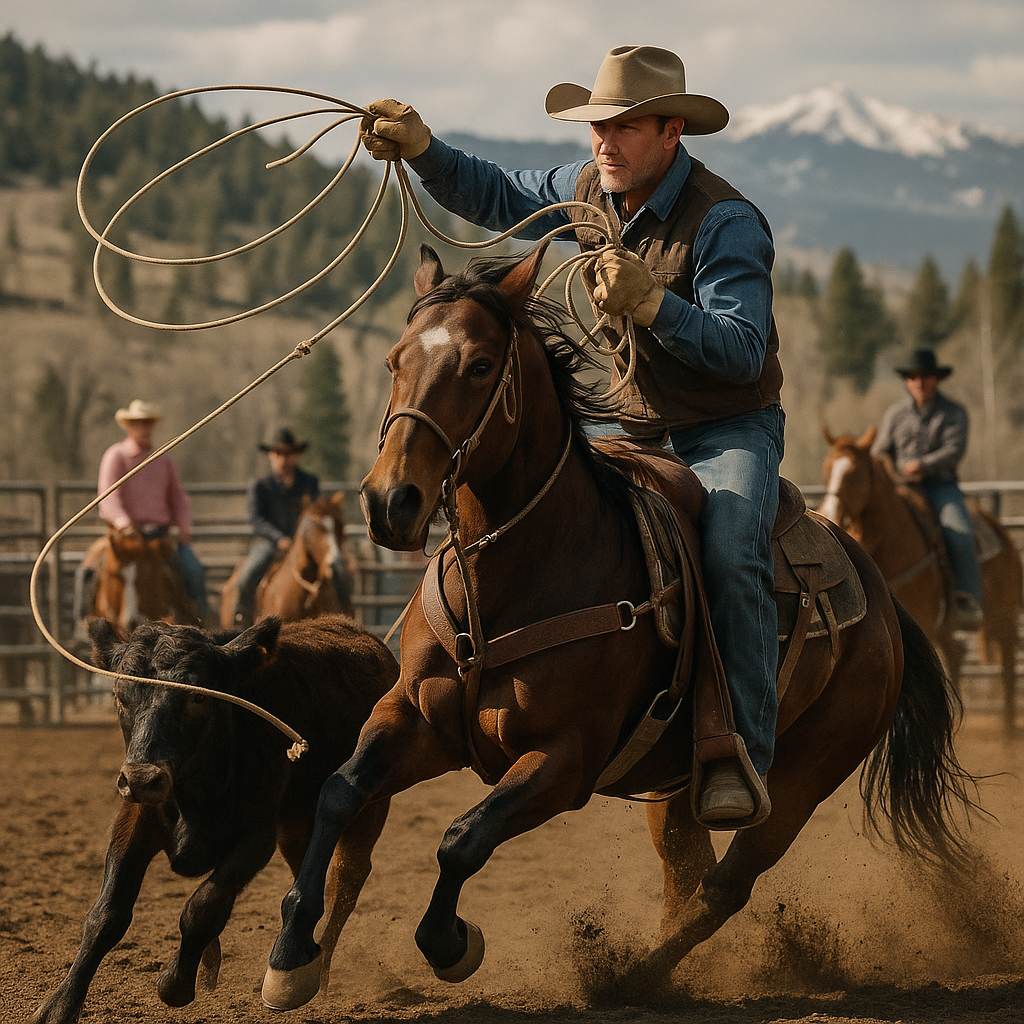
Team roping remains one of the most participant-heavy events in the West. It’s also one of the most horse-dependent, which matters for rural economies: a roper doesn’t just show up with a rope. They show up with a rig, fuel, feed, shoeing schedules, veterinary relationships, and usually more than one horse.
That’s part of why roping-centered weekends can be financially resilient:
- High participation supports entry-fee pots and added money
- Horse-related spending boosts local businesses (hay, shavings, vet calls, farriers, tack shops)
- Repeat attendance is common—people circle back if the ground, cattle, and management are good
For Montana ropers, it’s a reminder that the “product” isn’t just the run—it’s the conditions: safe cattle handling, consistent barrier, solid footing, and fair, transparent payouts.
What it means for horses: the rope-horse market and expectations
When a destination rodeo or roping weekend gets momentum, it tends to raise the bar on what contestants expect from their horses and from the event itself. The horse side of the equation is where Montana’s ranching roots can shine—because the best rope horses are still built on fundamentals: good minds, soundness, and miles.
Across the region, demand tends to favor rope horses that are:
- Sound and durable (feet, hocks, stifles—able to haul and compete)
- Finished in the box without being hot or nervous
- Ratey and honest on the steer, with a clean face and handle
- Safe to ride in warm-up pens and crowded alleys
For Montana breeders and trainers, the takeaway is straightforward: broke sells. A fancy pedigree helps, but a horse that stands tied, loads quietly, handles time off, and stays sound through a season is what keeps buyers coming back.
Event management lessons Montana can borrow (without losing what makes us Montana)
Montana doesn’t need to copy Arizona, Texas, or Nevada to host a successful rodeo weekend. But there are a few practical lessons that translate well to places like Miles City, Dillon, Great Falls, Lewistown, Glendive, or anywhere a community has an arena and a volunteer base.
- Make the schedule easy to understand: clear start times, slack info, and contestant instructions reduce frustration.
- Invest in footing: consistent ground is one of the fastest ways to build a reputation among ropers and roughstock contestants.
- Prioritize stock welfare: good cattle handling and calm back pens protect the event’s long-term credibility.
- Build a “whole weekend” plan: youth events, a dummy roping, a ranch-horse demo, or a local beef meal can keep families onsite longer.
- Communicate like a professional outfit: frequent updates on social channels and a clean website matter more every year.
None of that requires turning a Montana rodeo into a theme park. It’s about removing friction for contestants and giving local sponsors a better return on their support.
What this means for Montana
Montana’s rodeo culture is already strong, but the growth of destination-style rodeos in other states highlights a few opportunities and pressure points at home.
- Opportunity: winter travel and cross-state competition. More Montana ropers will keep hauling south in the off-season. That can sharpen competition when everyone comes home for spring and summer runs.
- Opportunity: rural tourism with a western backbone. Communities here can lean into what visitors can’t get elsewhere—real ranch country, real stock, real people—and build weekends that help motels, diners, and local retailers.
- Pressure point: keeping events affordable. As “big weekend” rodeos raise payouts and production value, entry fees and costs can climb. Montana organizers will have to balance added money with accessibility for local families.
- Pressure point: horse health and hauling miles. More long-distance travel means more attention needed on conditioning, biosecurity, hydration, and recovery—especially for older, reliable horses that get asked to do it all.
If Montana wants to keep contestants from feeling they have to leave the state for a “major” experience, the path is clear: keep improving arenas, keep cattle and stock handling top-notch, and keep the community feel that makes a Montana rodeo worth attending even when the weather turns.
Practical tips for Montana ropers heading to out-of-state winter events
If you do plan to chase winter rodeos or ropings—Arizona included—small management details can make or break your trip.
- Condition for hauling: don’t let the first long pull of the year be a shock to your horses.
- Plan feed transitions: sudden changes in hay type and water can cause trouble; bring what you can and transition gradually.
- Stay on top of feet: schedule farrier work so shoes are fresh before you leave, not halfway through the trip.
- Know the event rules: barrier, cattle count, dress code, check-in times—read it all before you’re in the alley.
- Give horses downtime: even a dependable rope horse needs real rest between heavy days.
The bigger picture
Rodeo has always evolved—sometimes slowly, sometimes in big leaps. A promoted 2026 rodeo weekend in a roping hub like Wickenburg is another indicator that the sport is leaning into experience, branding, and multi-day programming.
For Montana, that’s less a threat than a challenge: keep the tradition, keep the grit, and keep raising the standard on how events are run. The raw materials are already here—good horses, good stock, and communities that still show up when the announcer says, “Let’s rodeo.”
Inspiration: “wickenburg roping” – Google News (link)