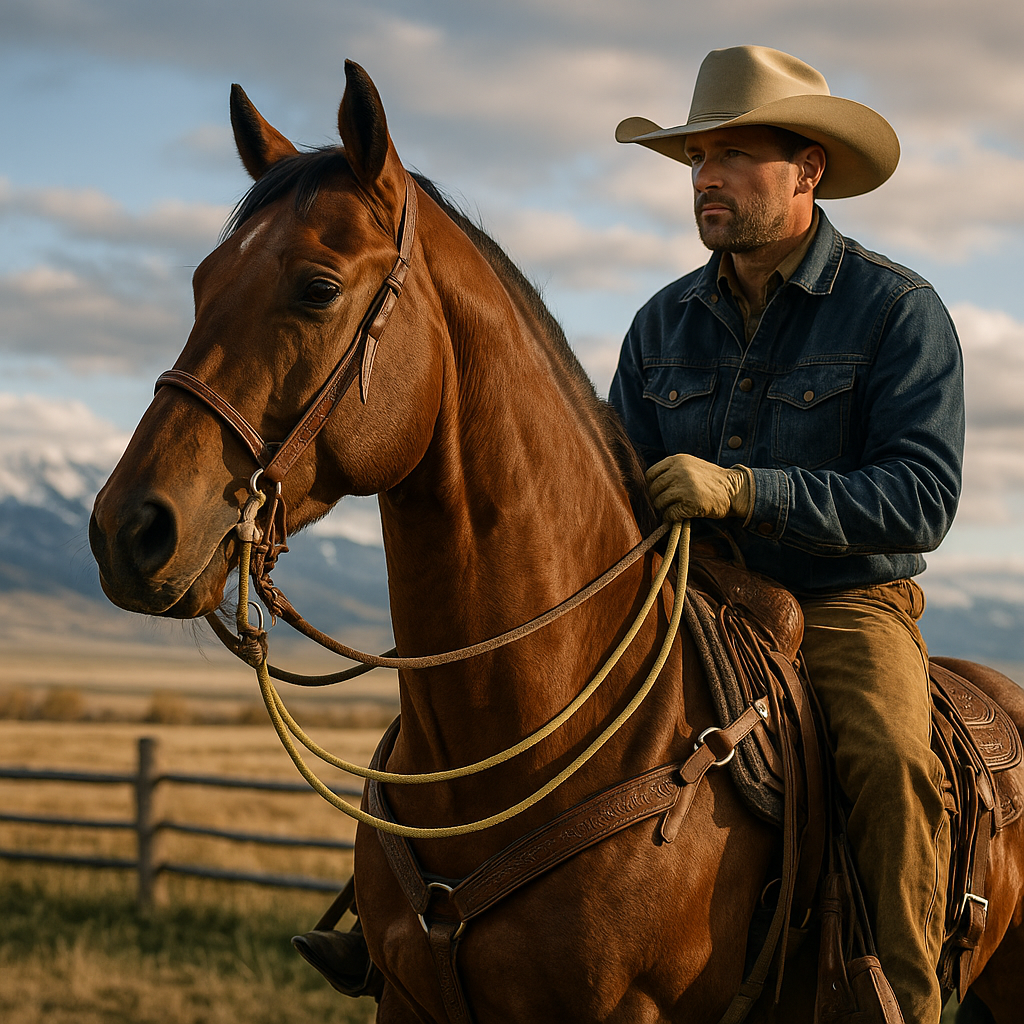
Across Montana, rope horses aren’t just arena athletes—they’re ranch tools that also have to handle long days, rough ground, and real weather. Breeding and raising a horse that can score, run, face, and stay sound is part genetics, part management, and part ruthless honesty about what’s working.
Quick takeaways
- Soundness comes first: feet, legs, and minds that hold up to miles matter as much as speed.
- Breed for a job, not a pedigree: papers don’t pull a steer—training and usability do.
- Match mares to your program: the mare band is the foundation; stallions are the accelerator.
- Raise them like Montana horses: turnout, terrain, and steady handling tend to build tougher, more usable horses.
- Keep records and cull hard: the best programs track what wins and what stays sound.
Recent reports in the team roping world highlight operations that treat breeding like a long-term ranch plan: set a standard, keep the ones that meet it, and don’t get sentimental about the rest. That mindset translates well to Montana, where a horse may need to rope on Saturday and gather pairs on Monday.
What “rope-horse genetics” really means
When people talk about breeding rope horses, they often mean a specific mix of traits:
- Rate and read: the ability to settle, track cattle, and make decisions without panic.
- Explosive acceleration: enough run to get there, but not so much that the horse is hard to manage.
- Stop and hold: strength behind and a mind that will stay in the bridle when the rope comes tight.
- Handle and recovery: horses that can work two or three runs and come back the next day.
- Durability: feet, bone, and overall structure that stands up to repetition.
In Montana terms, the best rope-horse prospects look a lot like the best ranch-horse prospects—just with more “go” and more finish in the stop. If a program consistently produces horses that are sound and willing, that’s usually not luck. It’s selection pressure over years.
Start with the mare band: the quiet engine of a program
Ask any breeder who’s been at it long enough and you’ll hear the same theme: the mare band makes or breaks you. Stallions get the attention, but mares set the baseline for mind, bone, and usability.
Montana ranchers who want to raise rope-horse prospects often do best by building a mare band with:
- Proven rideability: mares that have been used—on the ranch, in the arena, or both.
- Good feet and legs: not just “pretty,” but functional angles and strong hoof quality.
- Trainability: a mare that learned quickly tends to pass on a workable mind.
- Longevity in the family: if the dam line stays sound into the teens, pay attention.
There’s also a practical point: in a rope-horse market, buyers often want consistency. A recognizable “type” from a mare band—similar minds and builds—can make your program easier to market because people know what they’re getting.
Choosing a stallion: improve, don’t gamble
Stallion selection is where a lot of programs either level up or chase trends. A good rule is to pick a stallion that improves your mares’ weaknesses instead of doubling down on them.
For example:
- If your mares are handy but lack run, look for a stallion known for speed and reach without blowing up the mind.
- If your mares are quick but light-boned, consider a stallion that adds substance and feet.
- If your mares are strong but stiff, prioritize athleticism and body control.
Reports from successful rope-horse programs suggest they also pay attention to what a stallion’s offspring are doing under saddle—not just what the stallion did himself. That can be hard when a stud is young, but it’s one reason some breeders prefer proven sires with multiple foal crops in competition and ranch settings.
For readers who want to dig into broader breeding principles and responsible practices, the American Association of Equine Practitioners (AAEP) has solid horse-health resources that help frame soundness and management decisions.
Raise them like they’ll work: turnout, terrain, and handling
Montana’s advantage is that we can raise horses in conditions that naturally test them. Big pastures, hills, cold snaps, and variable footing can build bone and lungs—if the management is smart.
Common practices that tend to show up in durable programs include:
- Plenty of turnout: young horses that move tend to develop stronger soft tissue and better minds.
- Balanced nutrition: steady growth beats “pushing” a yearling to look like a two-year-old.
- Regular hoof care: trimming schedules that match growth and terrain.
- Early, low-stress handling: teach to load, tie, lead, and accept pressure without a fight.
Montana horsemen also know what happens when you shortcut this phase: the horse might look the part, but it can come apart when the work gets real.
Training pipeline: make the first rides boring
Even the best-bred horse can be made wrong in the first 60 days. The programs that consistently produce rope horses often emphasize a calm, repeatable foundation before adding speed and pressure.
That usually means:
- Softness and steering before anything fast.
- Stop and body control developed gradually, not yanked into place.
- Cattle exposure early enough to develop interest, but not so much that the horse gets frazzled.
When the time comes to rope, the goal isn’t to “make a rope horse” overnight. It’s to confirm the horse’s natural ability: does it rate? Does it stay straight? Does it keep its mind when the rope tightens?
Selection and culling: the part nobody posts online
The toughest part of any breeding program is admitting what isn’t working. The most successful outfits tend to keep clear standards and stick to them. That can mean selling a good-looking colt that’s short on mind, or moving on from a mare that doesn’t consistently produce the right kind.
In practical terms, selection standards often include:
- Soundness flags: chronic lameness, poor hoof quality, or conformational issues that show up early.
- Mind issues: horses that stay reactive or resentful despite consistent handling.
- Performance reality: if multiple offspring from a cross don’t fit the job, adjust.
Good records matter here. Track sire, dam, feed program, growth notes, injuries, training milestones, and what the horse eventually did. Over time, that data becomes your “Montana recipe” for what actually holds up.
What this means for Montana
Montana is already producing horses that can do the job—often because our ranch culture rewards practical, usable animals. The opportunity is to be more intentional about it, especially as demand rises for horses that can cross over between ranch work and roping.
For Montana breeders and ranchers, the takeaway isn’t that there’s one magic bloodline or one secret feeding program. It’s that consistency comes from stacking small, disciplined decisions:
- Breed for durability that matches our country and our workdays.
- Keep mares that prove themselves through rideability and longevity, not just looks.
- Use stallions with a track record of producing sane, sound athletes.
- Raise colts and fillies steadily so their bodies can handle the rope later.
And if you’re marketing Montana-raised rope prospects, the story sells itself: horses developed in big country, with real turnout, and a job-first mindset. That’s a brand buyers understand.
One caution: breeding is a long game, and results vary. Even well-planned crosses can throw surprises. The best approach is to keep improving the odds—then let honest evaluation decide what stays in the program.
Inspiration: “team roping horses” – Google News (link)