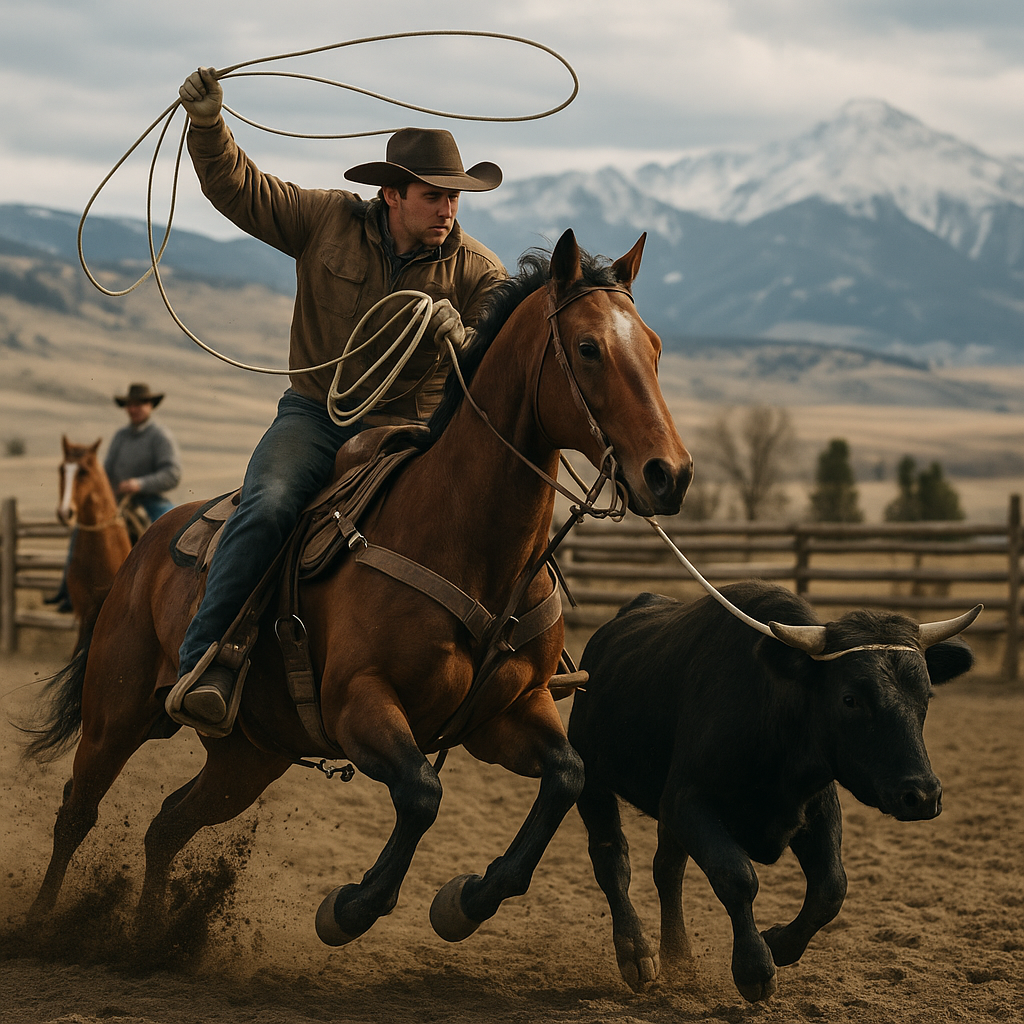
Every so often, a horse sale number hits the roping world like a branding-iron sizzle. Recent reports out of the team roping scene point to a rope horse bringing around $1.7 million—a figure that’s hard to wrap your head around whether you rope on weekends or make a living horseback.
- Quick takeaways
- Reports indicate an elite rope horse changed hands for about $1.7 million—rare air, even for top-tier roping.
- Seven-figure prices are usually about proven performance, predictability, and marketing reach, not just bloodlines.
- The high end can lift the broader market—but it can also widen the gap between “using horses” and “investment horses.”
- Montana buyers can take practical lessons: vetting, training records, and matching a horse to the job matter more than hype.
Big numbers make good headlines, but they also raise real questions: What exactly are buyers paying for? Is this a one-off, or part of a bigger trend? And what does any of it have to do with the horses that actually get used day-to-day on Montana ranches and in Montana arenas?
Why a rope horse can be worth more than a pickup and a place
At the ranch level, most of us think in terms of usefulness: can the horse hold up, stay sound, and do the job without getting you hurt? At the top end of team roping, the “job” becomes incredibly specialized—and the economics change with it.
When a horse is competing under pressure with a top rider, the value isn’t just athletic ability. It’s repeatability: the horse shows up the same way every run, in every building, with the same handle and timing. That kind of consistency is hard to find and expensive to produce.
Even then, reported seven-figure sales are still outliers. They tend to involve a horse with a proven record (or a reputation built across major ropings), plus the kind of exposure that reaches far beyond one state’s roping circuit.
What buyers are really paying for
In a typical private treaty sale, a good rope horse might sell based on a short tryout and a handshake. At the elite level, the buyer is often purchasing a bundle of traits and assurances that reduce risk.
- Proven performance: A horse that has delivered at major events and under bright lights is worth more than a horse with “potential.”
- Soundness history: Not just a one-time vet check, but a track record—how the horse has held up through hauling, runs, and seasons.
- Trainability and mind: A quiet mind can be as valuable as speed. The best ones don’t just run hard; they stay broke and focused.
- Fit with the rider: At the top, the “right horse” can change a career. Buyers will pay to shorten the search.
- Market visibility: Horses with a name, a following, and a story can command premiums—especially if the seller has a strong network.
Bloodlines matter, but in rope-horse pricing, proven ability usually outruns paperwork. Plenty of well-bred horses never become special in the box. And some of the best “money horses” are the ones that simply fit the job and stay sound.
The role of social media and the “brand” horse
One reason modern headline sales travel fast is that the horse market now has a megaphone. A standout horse can rack up millions of views across platforms, and that attention can translate to demand.
That doesn’t mean the horse is all hype—elite horses are elite for a reason. But it does mean the market can behave differently than it did 20 years ago. When a horse becomes a recognizable “brand,” the price can reflect:
- the buyer’s desire to lock up a known commodity,
- the perceived prestige of owning a famous horse, and
- the horse’s value as a promotional centerpiece for training, clinics, or sponsorships.
For everyday Montana ropers, the caution is simple: don’t confuse online popularity with real-world suitability. A horse can look like a world-beater in edited clips and still not be the right fit for your timing, your arena setup, or your ranch workload.
How the high-end market can affect “regular” rope horses
When top-end prices spike, it can ripple through the rest of the market—sometimes in ways that help sellers and sometimes in ways that frustrate buyers.
Possible downstream effects include:
- More interest in started and finished rope horses, which can push up prices for solid, honest mounts.
- Higher training demand, as owners try to turn prospects into sale horses.
- Wider price spread between a safe, seasoned horse and a green but athletic prospect.
- More scrutiny from buyers, including requests for X-rays, videos, and performance history.
It’s also worth noting that a single reported $1.7 million sale doesn’t automatically mean “all rope horses are up.” But it does highlight the premium placed on horses that are finished, dependable, and ready to win right now.
What this means for Montana
Montana’s roping and ranch-horse culture is built on practicality: long miles, winter footing, big country, and horses that earn their keep. Still, Montana has no shortage of competitive ropers, reputable trainers, and breeders turning out quality stock.
Here’s what a headline sale can mean locally:
- Stronger demand for the “good middle”: Horses that are safe, seasoned, and can handle both ranch chores and a weekend roping may become even more sought-after.
- More emphasis on documentation: Buyers may increasingly expect vet records, farrier schedules, hauling history, and honest disclosures—especially as prices climb.
- Opportunity for Montana trainers: When the broader market heats up, consistent, transparent training programs stand out.
- A reminder to buy for your reality: A horse that wins under one rider in one program may not be the best match for a different rider, different terrain, or a mixed ranch/arena job.
If you’re shopping this year, the best Montana advice still holds: try the horse in the situation you’ll use it. Rope on it, sort on it, ride it outside, and pay attention to how it handles pressure, footing, and downtime.
If you’re buying: practical checks that matter more than hype
Whether you’re looking at a $15,000 horse or a $150,000 horse, the basics protect you. Consider:
- Vetting with purpose: Tell your vet what you plan to do—hard heading, ranch work, hauling, or all of the above—so the exam matches the job.
- Soundness over flash: A fancy mover that’s maintenance-heavy can become expensive fast.
- Consistency test: Ride the horse multiple days. Some horses feel great once and different the next day.
- Honest conversation about maintenance: Ask directly about injections, shoeing needs, ulcers, and how the horse handles time off.
- Match the horse to the rider: The best horse for a pro may be too much—or too “tuned up”—for a novice.
And if you’re selling, the lesson is the flip side: clear records, straightforward disclosure, and a horse that is exactly as represented will bring repeat buyers—especially in a market where more money is chasing fewer truly finished horses.
The bottom line
A reported $1.7 million rope-horse sale is eye-popping, but it’s also a window into what the top of the industry values: reliability, performance under pressure, and a horse that can help a rider win now. For Montana, the takeaway isn’t that everyone should chase “million-dollar horses.” It’s that the market continues to reward sound, finished, honest horses—the same kind that have always mattered in big country.
Inspiration: “team roping horses” – Google News (link)