Montana Snowpack Update: Winter Conditions Shaping Outdoor Plans Statewide
The rhythm of Montana’s winter is written in snow. From the high peaks of Big Sky to the rolling prairies and river valleys, snowpack isn’t just news for skiers—it’s vital intelligence for hunters, anglers, farmers, and ranchers planning the months ahead. Here’s a look at the current snowpack situation in Big Sky Country, and what it could mean for outdoor pursuits through spring and into summer.
Quick takeaways
- Mountain snowpack is trending near or just below historic averages in most Montana ranges.
- Weather patterns have been variable, with some regions receiving bursts of heavy snow and others lagging behind.
- Water managers are monitoring the situation, as snowpack determines streamflow and irrigation supplies.
- Outdoor recreation—skiing, snowmobiling, and ice fishing—remains in full swing, but conditions can change rapidly.
- Wildlife and land managers are watching snow depths, which affect animal movement and winter survival rates.
Current Snowpack Conditions Across Montana
Recent reports indicate that Montana’s major mountain ranges are showing a patchwork of snowpack levels. The Gallatin and Madison Ranges, home to popular resorts like Big Sky and Bridger Bowl, are hovering close to seasonal norms, but some periods of warm weather have compressed the snow base. Meanwhile, the Bitterroot, Mission, and Cabinet Ranges in western Montana have seen variable totals, with late-December storms bringing much-needed moisture.
The eastern and central mountains, including the Little Belts and Highwoods, have experienced a drier pattern so far this winter. Snow telemetry (SNOTEL) stations managed by the NRCS show snow-water equivalents (SWE) ranging from 85% to 102% of average, depending on the basin.
Impact on Outdoor Recreation
Montana’s ski resorts report generally good conditions, with packed-powder bases on groomed runs. However, off-piste and backcountry enthusiasts should note that snow depth and avalanche risk can fluctuate quickly with each storm cycle.
- Skiing: Resorts like Whitefish Mountain, Big Sky, and Bridger Bowl are fully operational, though some lower-elevation trails may see variable coverage.
- Snowmobiling: Groomed trails in the Seeley Lake, Cooke City, and West Yellowstone areas are open, but riders should check local advisories for up-to-date conditions and avalanche alerts.
- Ice Fishing: Hardwater anglers are finding fishable ice on many lakes, but inconsistent snow cover means some areas require extra caution for safe access.
Snowpack and the Water Outlook
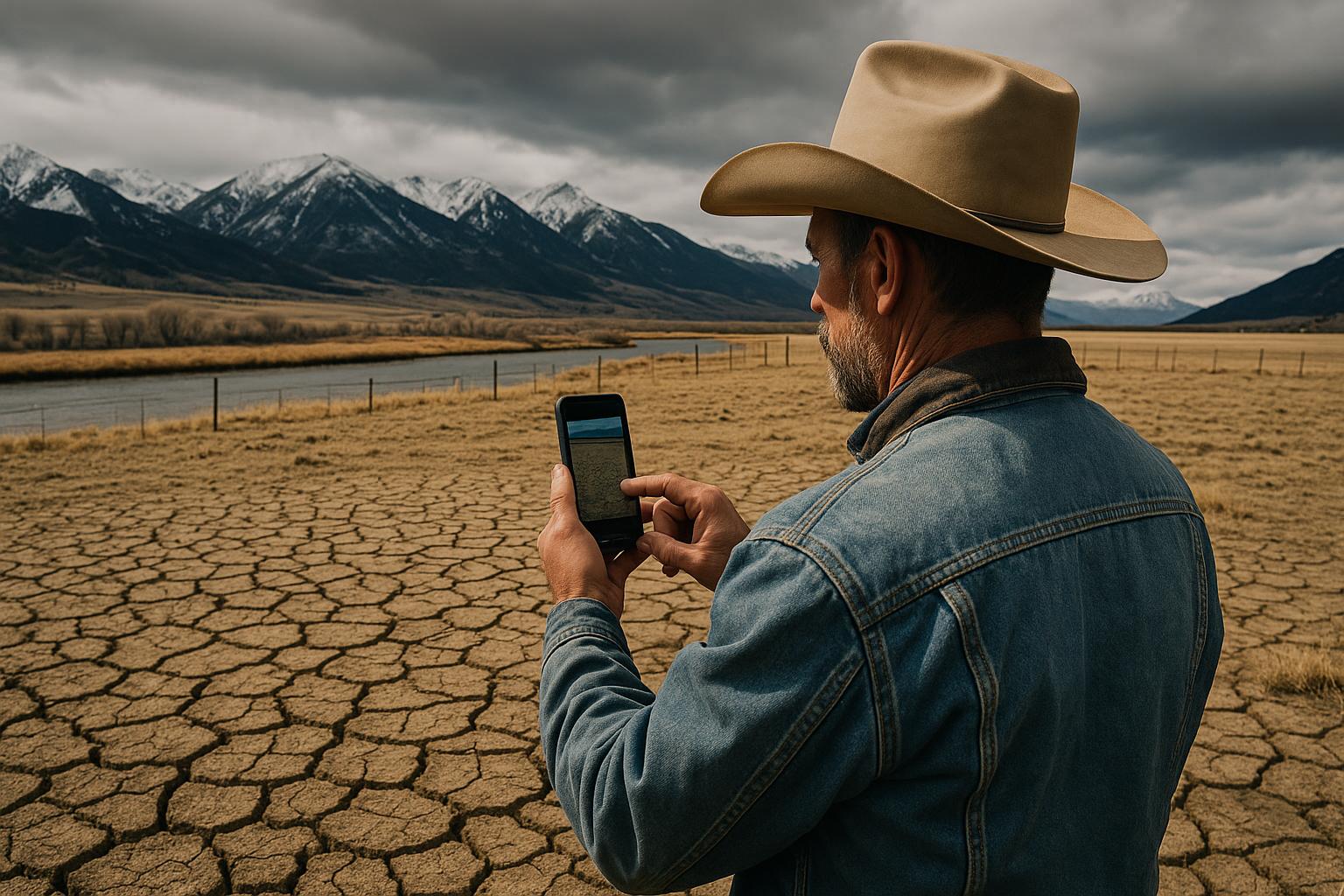
For Montana, snowpack isn’t just about recreation—it’s the state’s primary water reservoir. Snowmelt fills rivers and reservoirs, vital for irrigation, municipal use, and sustaining fish and wildlife habitats. Water managers are watching snowpack data closely. If late-winter storms bring more snow, water supplies should remain healthy into summer. However, a dry spring could lead to below-average streamflows and increased drought risk, particularly east of the Divide.
What This Means for Montana
Current snowpack trends set the stage for the months ahead:
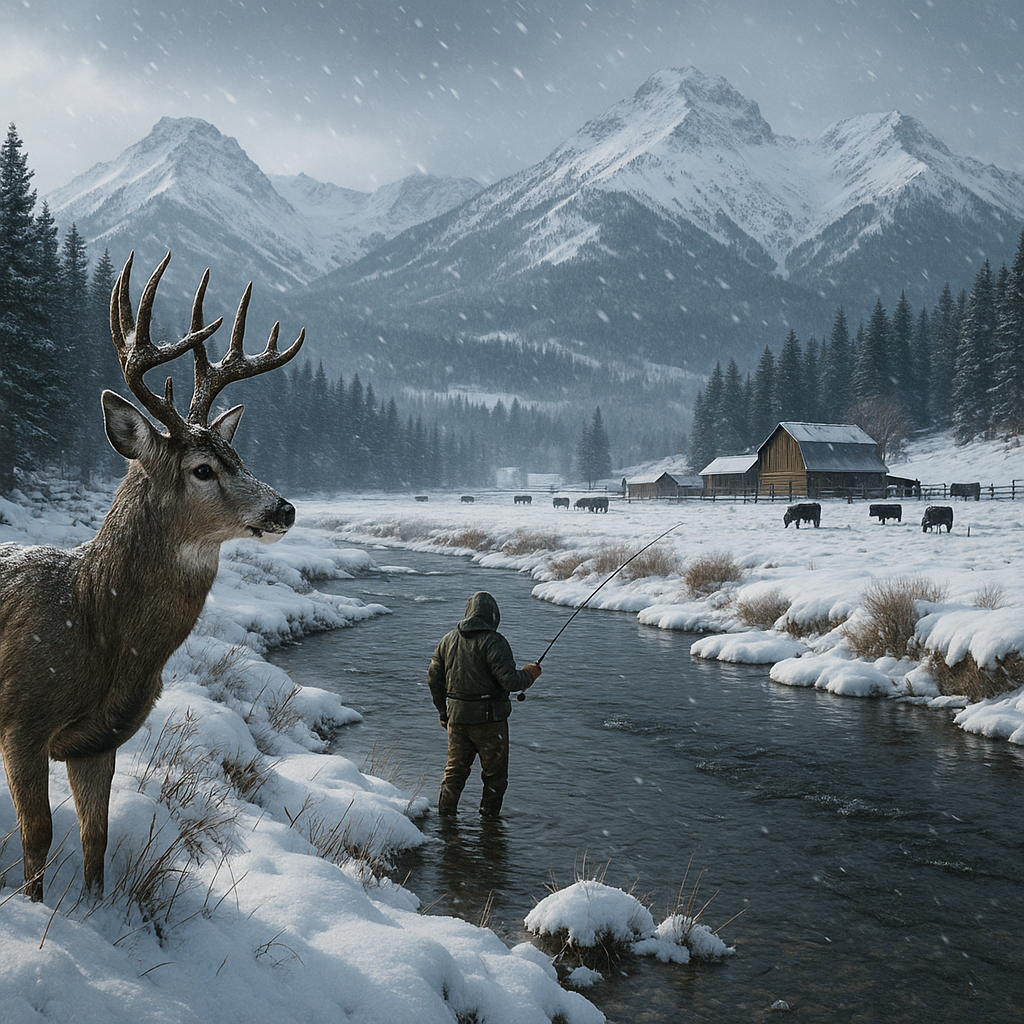
- Hunting and Fishing: Spring runoff timing and river flows will impact trout spawning, access to remote areas, and habitat health for game and nongame species alike.
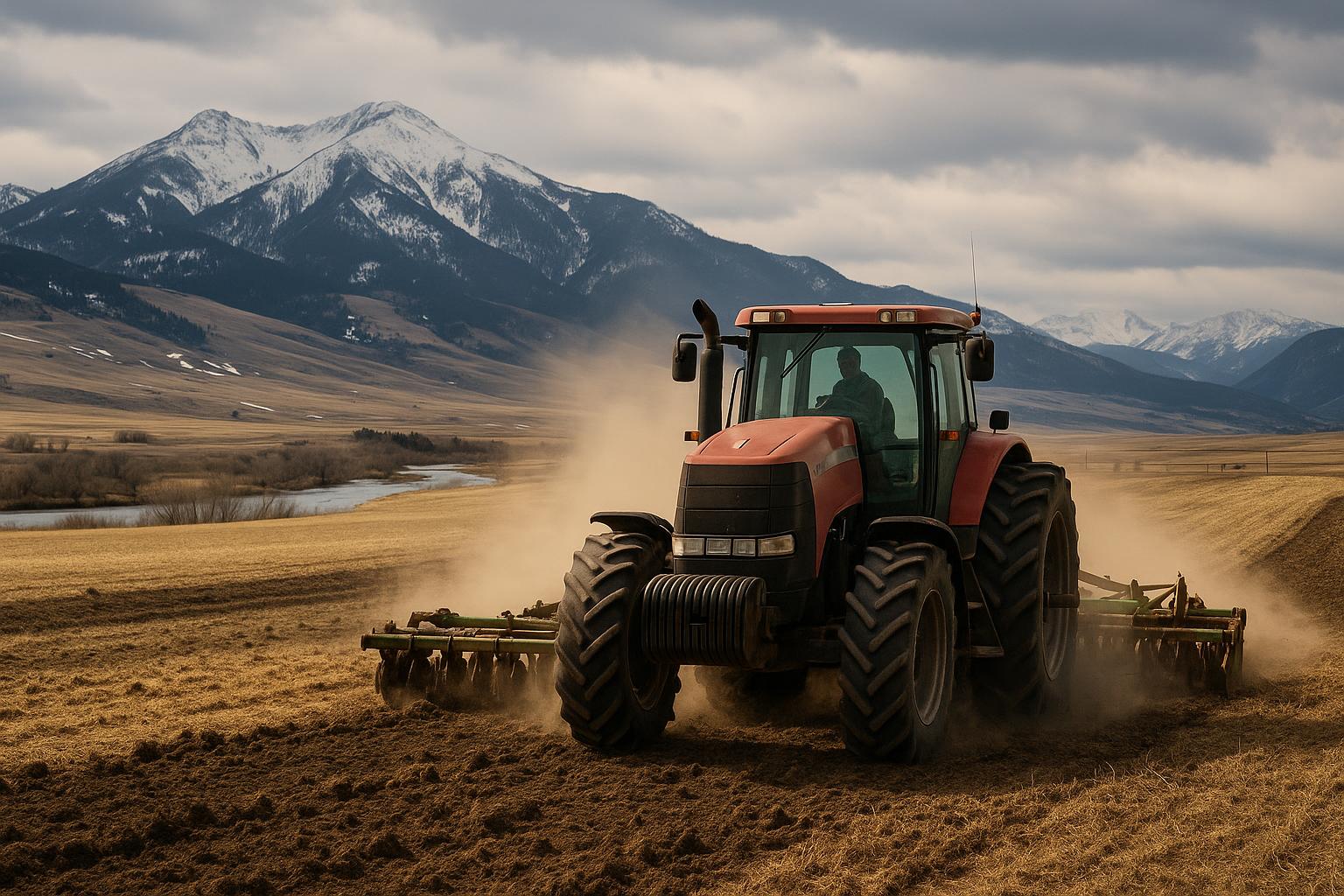
- Farming and Ranching: Irrigators should track weekly snowpack updates. Adequate snow means more reliable water for crops and pasture, while low snowpack could spell tighter water management later in the season.
- Wildlife: Deep snow in some areas can force elk and deer to lower elevations, potentially increasing conflicts with landowners and raising concerns about winter survival.
- Outdoor Recreation: Good snowpack means extended ski seasons and continued opportunities for snowmobiling and ice fishing, but always check local reports before heading into the backcountry.
Tips for Staying Informed
- Monitor the NRCS Snow Survey and local resort snow reports.
- Check the Gallatin National Forest Avalanche Center for up-to-date avalanche forecasts.
- Stay in touch with local extension offices and water managers for irrigation outlooks.
- Watch weather patterns—late-season snow can still change the outlook dramatically.
Looking Ahead
Montana’s snowpack story is still being written this winter. With weeks of winter ahead, even a few strong storms could tip the balance for water supply and recreation. Whether you’re planning to hit the slopes, fish a frozen lake, or manage your operation’s spring water, staying tuned to the latest snowpack data is key.
As always, take care in the outdoors—weather and snow conditions can change quickly, especially in the mountains. Here’s to a safe and productive winter and spring across the Treasure State.
Inspiration: “montana fishing,montana-weather,montana skiing” – Google News.