Quick Takeaways
- Montana’s winter weather shows variability with periods of cold snaps and milder stretches.
- Ice fishing conditions appear promising but remain uncertain in some regions.
- Hunters and anglers should prepare for changing conditions and stay updated on local forecasts.
- Early snowpack levels suggest a typical winter but with localized differences across the state.
Winter Weather Patterns: What’s on the Horizon?
Montana’s winter season is notoriously unpredictable, swinging between frigid cold and relatively mild days. Recent reports from weather experts indicate that the state will experience a mix of cold fronts and warmer intervals over the coming weeks. While some regions may see sustained cold suitable for forming solid lake ice, others might experience fluctuating temperatures that delay safe ice conditions.
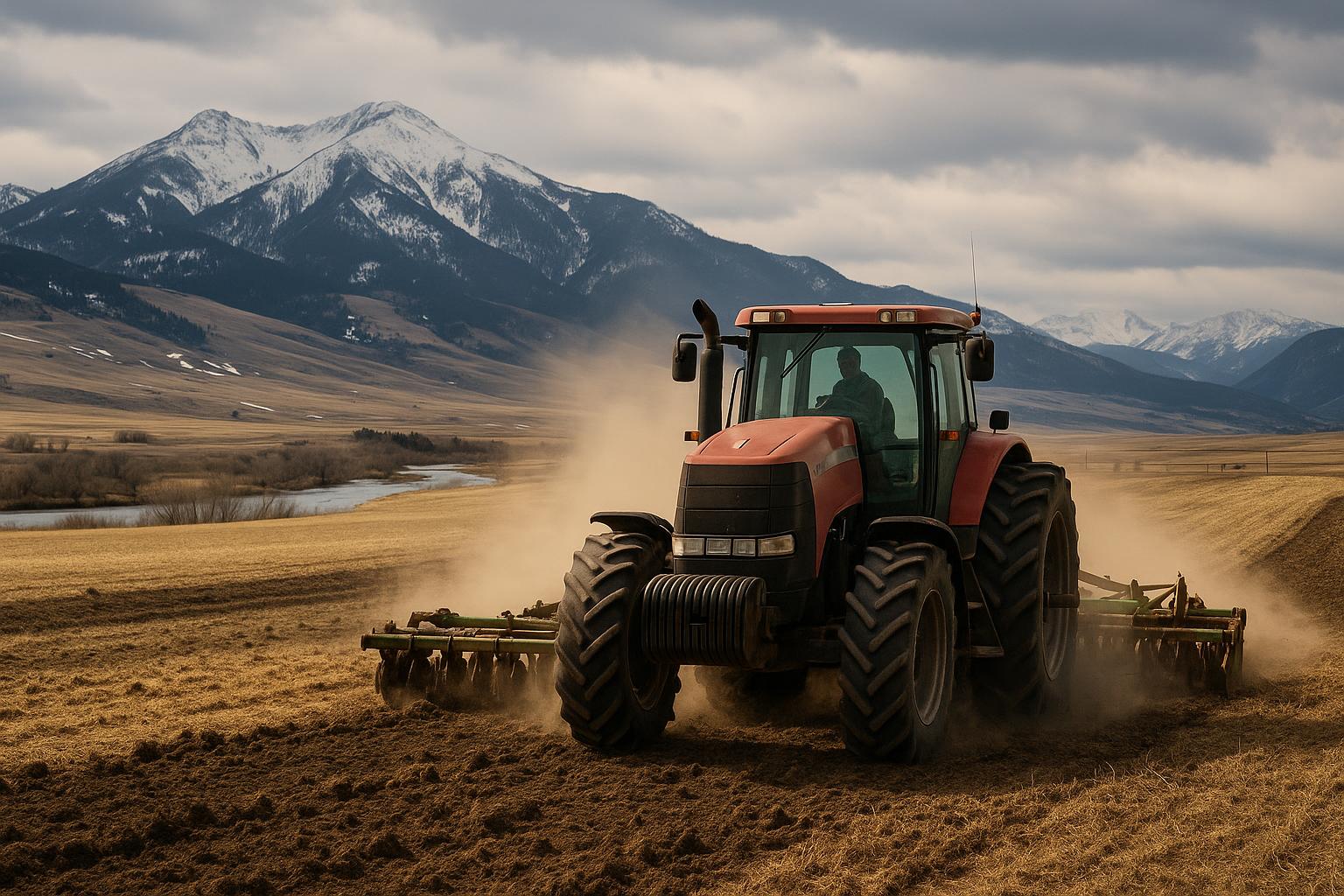
Snowfall is expected to be near average for most of Montana, with mountainous areas receiving the bulk of the accumulation. These snowpack levels are crucial for ranchers and farmers alike, as they impact soil moisture heading into spring and influence grazing conditions.
Ice Fishing Outlook: Patience Is Key
For anglers eager to hit Montana’s frozen lakes, the question remains: will conditions support safe and productive ice fishing this winter? Experts report that while many lakes in northern and western Montana are beginning to freeze over, the thickness of the ice varies considerably.
Ice anglers should monitor local conditions closely and confirm ice thickness before venturing out. Typically, a minimum of four inches of clear, solid ice is recommended for safe walking and fishing. As the season progresses, colder stretches could improve ice safety, but caution remains essential.
Impacts on Hunting and Outdoor Recreation
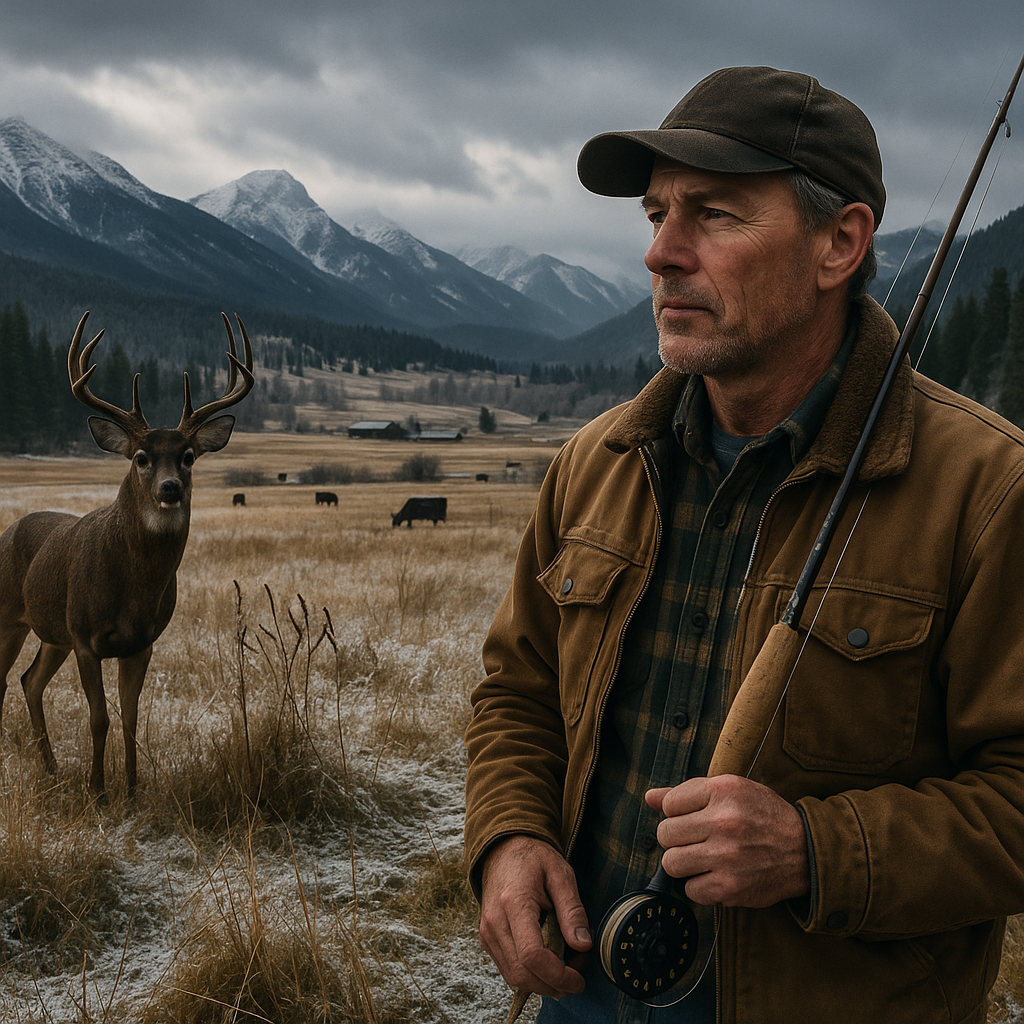
Hunters planning winter outings should be prepared for variable conditions. Periods of deep snow in certain areas may challenge access to hunting grounds but can also concentrate game animals, potentially improving hunting opportunities. Conversely, milder spells may make travel easier but could push wildlife into more dispersed patterns.
Winter weather also affects equipment and safety. Cold snaps require proper layering and emergency preparedness, while sudden thaws can lead to slippery trails and unstable terrain. Staying informed through local weather updates is a critical part of planning any outdoor activity this season.
What This Means for Montana
Montana’s residents and outdoor enthusiasts should anticipate a winter with mixed conditions and plan accordingly. Farmers and ranchers can take some comfort in average snowpack forecasts, which suggest adequate moisture for the growing season ahead, but localized variations call for vigilance.
For the fishing community, ice fishing prospects look hopeful but require patience and cautious assessment of ice safety. Hunters should be ready for the usual winter challenges, adapting to changing snow and temperature patterns to make the most of their seasons.
Overall, preparedness and staying tuned to evolving forecasts will be key to enjoying Montana’s winter outdoors safely and successfully.
Additional Tips for Navigating Montana’s Winter Outdoors
- Check local ice reports before ice fishing and avoid unfamiliar or untested spots.
- Dress in layers and carry emergency supplies when venturing into remote areas.
- Monitor snowpack updates for ranch and farm planning.
- Be flexible with hunting plans as weather conditions change.
By staying informed and prepared, Montanans can make the most of the state’s winter offerings—whether on the ice, in the field, or tending to the land.
Inspiration: MORS Podcasts – Montana Outdoor