Introduction to Montana Ice Fishing
Ice fishing in Montana offers a unique blend of challenge, skill, and camaraderie. For those new to the sport, especially targeting burbot during the cold months, it can be an unforgettable experience. Winter anglers face the elements head-on, but the reward of landing a prized catch makes it all worthwhile.
Quick Takeaways for First-Time Ice Anglers
- Dress in layers with insulated, waterproof gear to stay warm and dry.
- Bring a reliable ice auger and always check ice thickness before venturing out.
- Use brightly colored jigs and consider scent attractants when targeting burbot.
- Set up near underwater structure or drop-offs where burbot tend to gather.
- Fish during low-light periods—dawn, dusk, or night—when burbot are most active.
- Practice patience and embrace the social aspect of ice fishing with friends or family.
Preparing for the Montana Ice Fishing Experience
Before heading out onto frozen lakes or reservoirs, preparation is key. The Montana winter can be harsh, with temperatures dropping well below freezing. Dressing appropriately cannot be overstated—thermal base layers, insulated boots, gloves, and windproof outerwear will keep you comfortable.
Safety is paramount. Ice thickness should be at least 4 inches for walking and 5-7 inches for snowmobiles or ATVs. Carry ice picks and a throw rope in case of emergencies. Checking local conditions and regulations can help ensure a safe outing.
Gear Essentials for Targeting Burbot
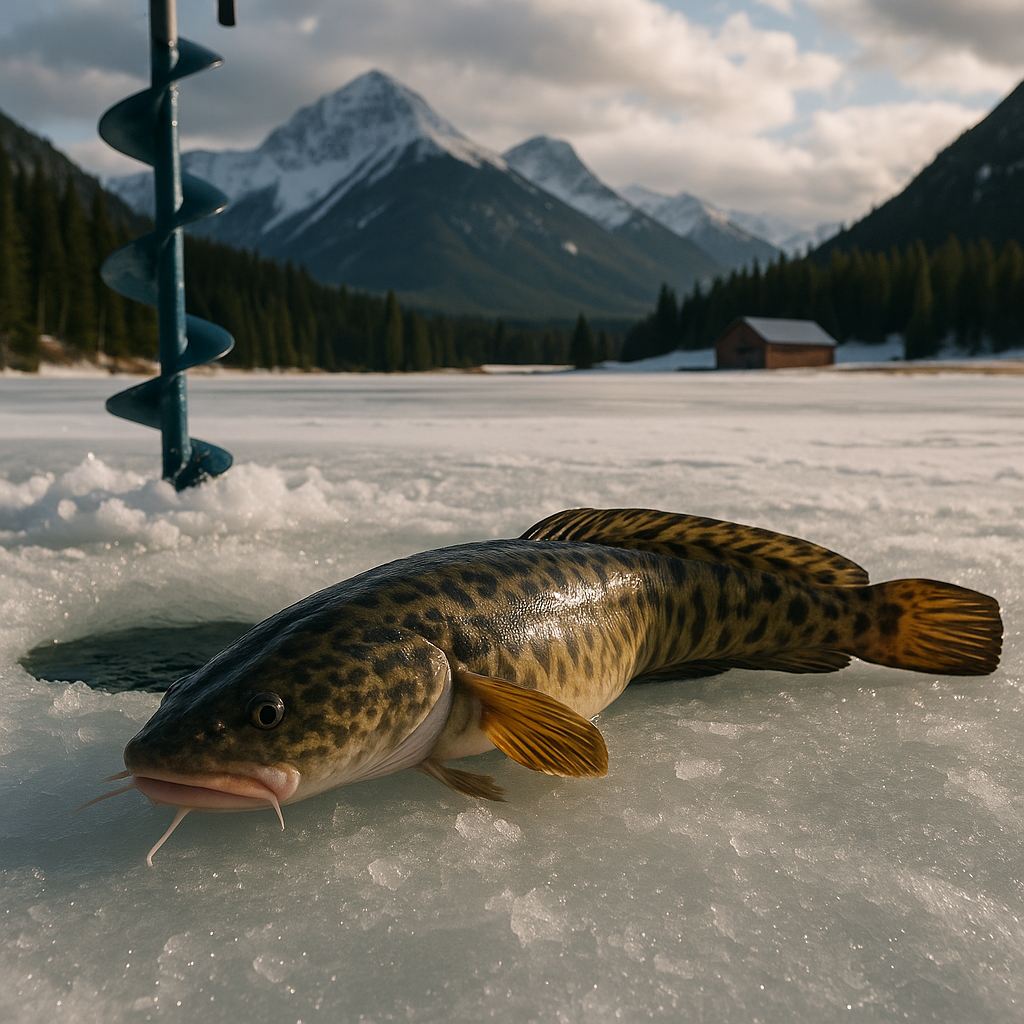
Burbot, often called “lingcod of the North,” are the only freshwater cod species in Montana waters. They tend to favor cold, deep waters under the ice during winter months.
- Ice Auger: Manual or powered augers make drilling holes easier and faster.
- Rod and Reel: Short ice rods paired with light reels allow precise jigging.
- Jigs and Lures: Brightly colored jigs, especially in orange, chartreuse, or glow-in-the-dark, can attract burbot.
- Electronics: Fish finders designed for ice fishing help identify fish-holding structures beneath the ice.
Reports indicate that burbot respond well to scent attractants and slow jigging techniques, so consider incorporating these strategies.
Techniques and Tips for Success
Burbot are primarily nocturnal feeders, which means fishing is often best during twilight or nighttime hours. Anglers have found success by:
- Setting up near drop-offs, rocky points, or submerged timber where burbot seek shelter.
- Using slow, deliberate jigging motions to mimic prey movement.
- Experimenting with different jig colors and sizes to determine what triggers bites.
- Remaining patient and prepared for bursts of activity followed by quiet periods.
The Camaraderie of Winter Angling
Ice fishing in Montana is not just about the catch; it’s about the stories shared, lessons learned, and the quiet beauty of winter landscapes. Many anglers report that the social aspect—whether fishing with family, friends, or meeting new people on the ice—enhances the experience.
Laughter over mishaps, sharing hot drinks, and swapping tips create lasting memories that extend beyond the fish themselves.
What This Means for Montana
Ice fishing offers Montanans a chance to stay connected to the outdoors year-round, even in the coldest months. As interest grows, understanding safe ice practices and sustainable harvesting of species like burbot is essential. Maintaining healthy fish populations and respecting regulations helps ensure that winter fishing remains a viable and enjoyable tradition for future generations.
Moreover, this winter activity supports local economies through equipment sales and tourism, particularly in rural communities where outdoor recreation is a vital part of life.
Final Thoughts
For newcomers, ice fishing can be intimidating, but with the right preparation and attitude, it becomes a rewarding adventure. Montana’s frozen lakes hold plenty of opportunity for anglers willing to embrace the chill and the challenge. Whether you’re after burbot or simply seeking a peaceful winter outing, the ice is calling.