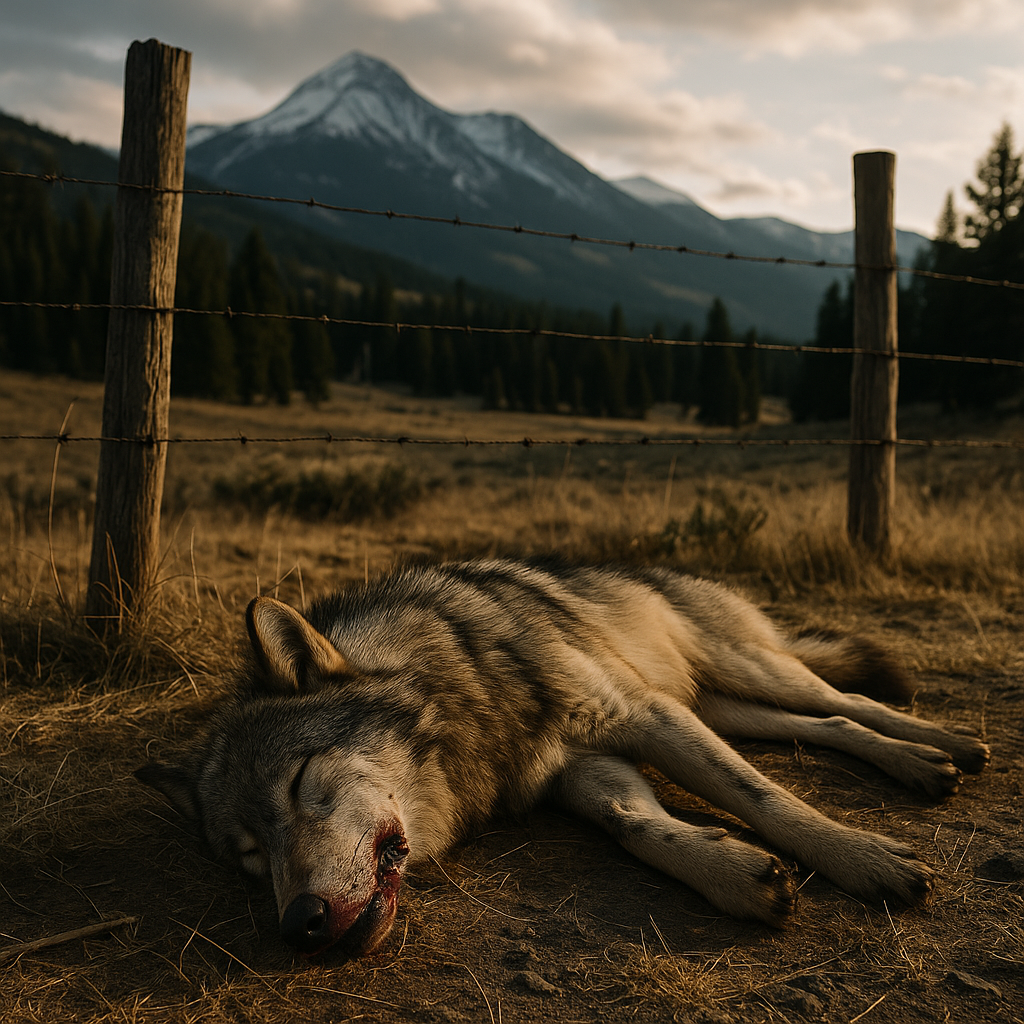
Reports indicate a high-profile Yellowstone National Park wolf—one frequently seen by visitors—was illegally killed, prompting renewed attention on wolf poaching and the complicated patchwork of rules that surround the park. For Montanans who hunt, ranch, and recreate near the Yellowstone boundary, incidents like this land close to home: they affect public trust, enforcement pressure, and the already-heated conversation about how wolves should be managed in the Greater Yellowstone Ecosystem.
Quick takeaways
- Reports indicate a prominent Yellowstone wolf was illegally killed, and officials are treating it as a poaching case.
- Inside Yellowstone, wolves are protected; outside the park, rules can change quickly depending on location, season, and regulations.
- High-visibility wolves can become flashpoints—drawing national attention that can ripple into Montana policy debates.
- Poaching cases often hinge on tips, physical evidence, and proving where the animal was killed.
- Hunters and landowners near the park can protect themselves by knowing boundaries, seasons, and reporting suspicious activity.
What’s being reported
According to national reporting, officials say a wolf associated with one of Yellowstone’s most-viewed packs was killed illegally. Public details can be limited early in an investigation—especially if authorities are trying to protect the integrity of the case or encourage credible tips. In many wildlife investigations, the first confirmed facts are simply the animal’s identification (if collared or otherwise known), evidence of an unlawful take, and a general location and timeframe.
Yellowstone wolves are among the most monitored wild canids in North America. Many are fitted with radio collars at some point in their lives, and packs are tracked by biologists and observed by visitors year-round. That visibility can be a double-edged sword: it builds public interest and support for science-based management, but it also puts particular animals in the spotlight—making any illegal killing more likely to draw attention well beyond the region.
Why a Yellowstone wolf case matters outside the park
Montanans don’t need a reminder that wildlife doesn’t read boundary signs. Wolves that den, hunt, and raise pups inside Yellowstone can—and do—range outside the park. When a wolf is illegally killed, the immediate issue is lawbreaking. But the broader impact often shows up in the response: increased scrutiny of legal hunting and trapping, pressure on agencies, and a louder national conversation that can overshadow local realities like livestock depredation, elk distribution, and rural safety concerns.
For communities around Gardiner, Cooke City, West Yellowstone, and the Paradise Valley, wolves are part of daily life. Some residents see them as a valuable piece of the ecosystem and tourism economy. Others see them as a direct cost—lost calves, stressed cattle, time spent riding and checking herds, and the mental load of living with predators. The reality is often both at once, depending on the ranch, the season, and the year.
Poaching vs. legal take: the line that matters
It’s worth stating plainly: the issue in a case like this is legality. Montana has legal frameworks for wolf management outside national parks, and those frameworks have changed over time through legislative action, commission decisions, and court challenges. But illegal killing is a different category—one that can undermine legitimate management tools and trigger backlash against lawful hunters, trappers, and landowners.
Common factors that can turn a wolf killing into a criminal case include:
- Location (inside a national park, a closed area, or another protected jurisdiction).
- Timing (outside an open season or during a closure).
- Method (use of prohibited methods or taking an animal in a manner not allowed by regulation).
- Reporting (failure to report as required, or attempting to conceal the take).
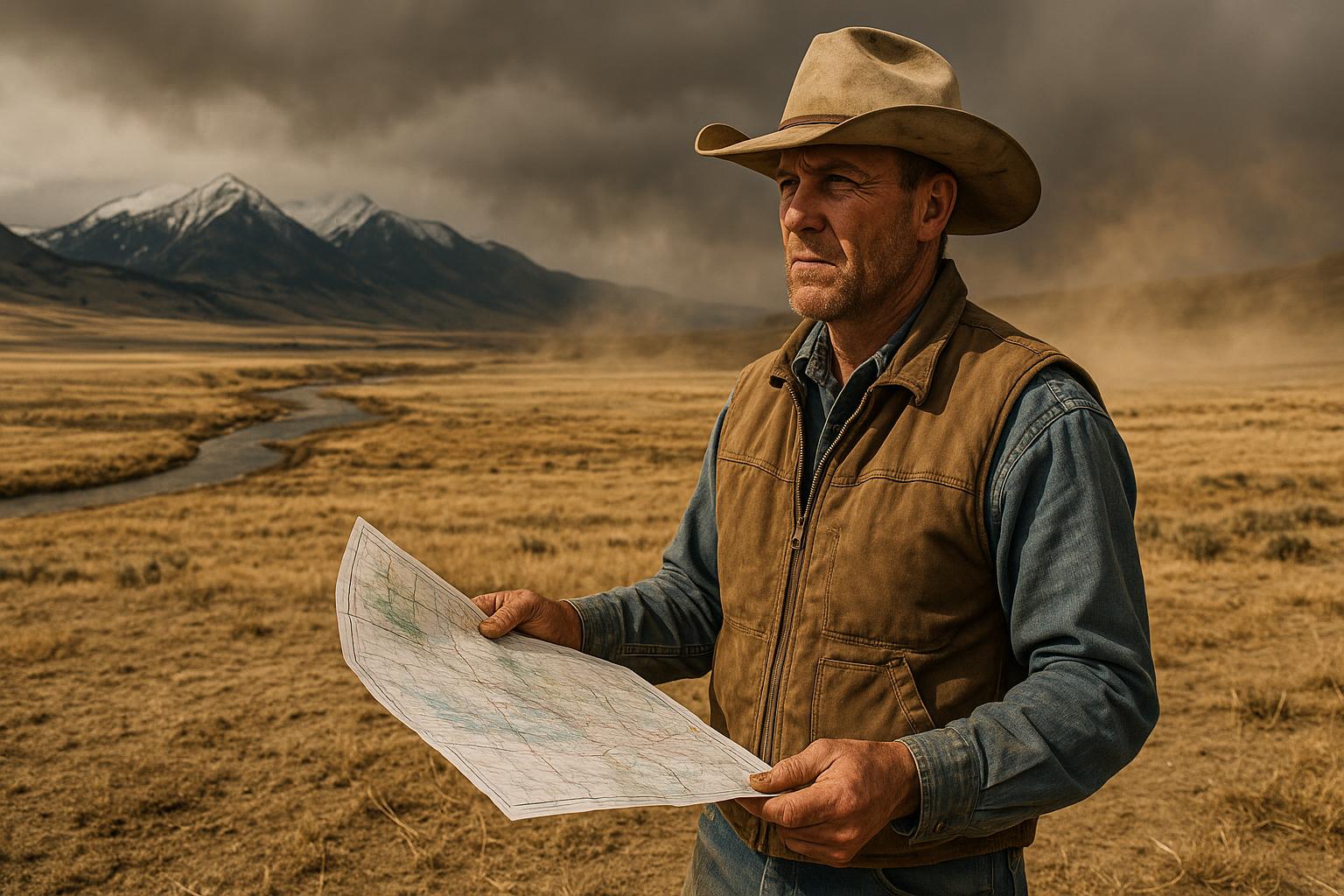
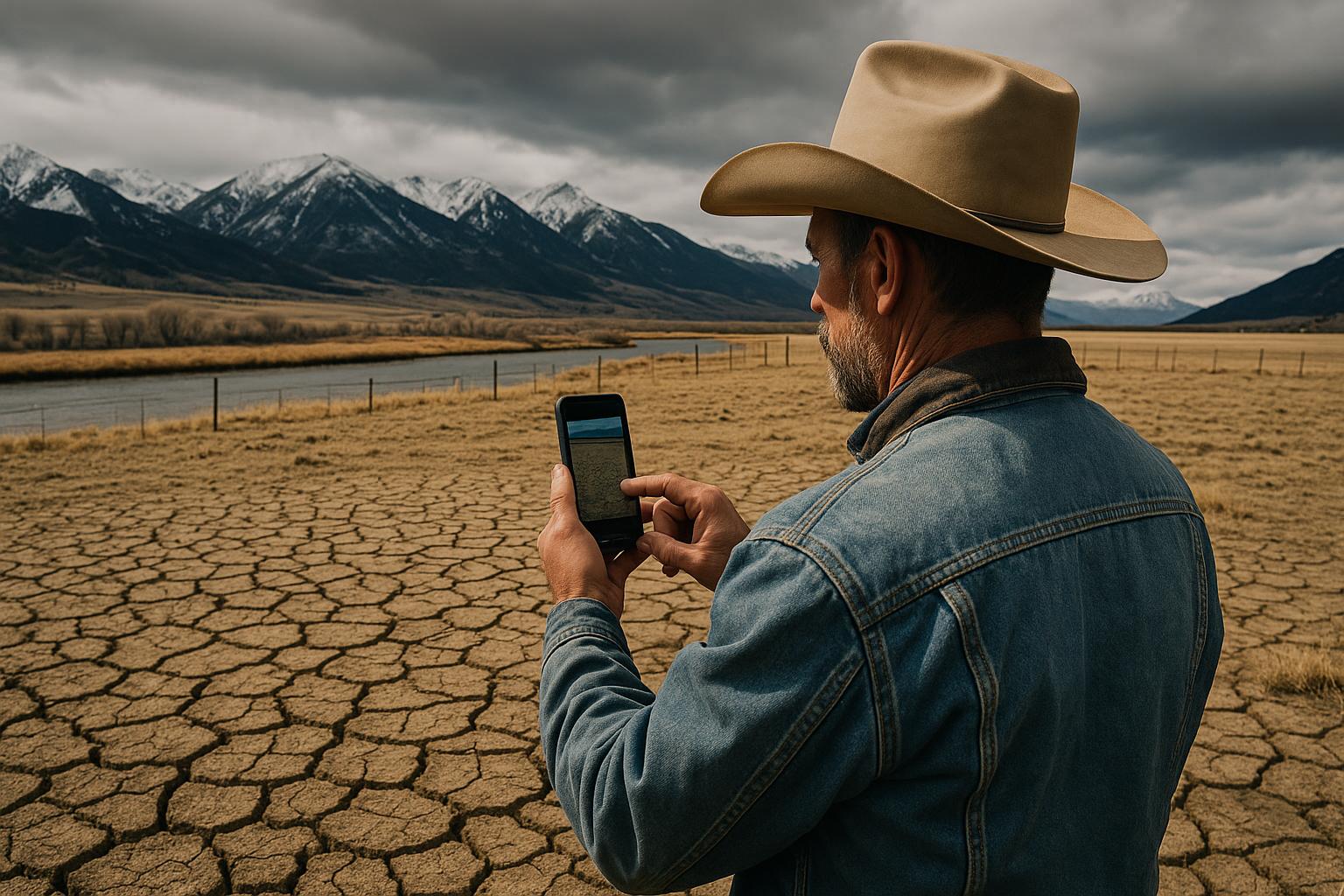
If you hunt near the park boundary, the simplest safeguard is also the hardest in steep country: know exactly where you are. Boundaries can be close to roads, rivers, and ridgelines, and GPS errors or dead batteries aren’t a legal defense. A dedicated GPS app with offline maps, a paper map in the pack, and a habit of checking location before a shot are practical steps that protect both hunters and wildlife.
How these cases are typically investigated
Wildlife investigations often move slower than the public expects. That’s not always because agencies are dragging their feet; it’s because building a case that stands up in court takes time. Investigators may need to establish where the animal died, how it died, and who was responsible. If a wolf is collared, telemetry data can help narrow down last-known locations. If it’s not collared, investigators rely more heavily on field evidence and witness reports.
In many cases, the turning point is a tip—someone who saw a shot fired, heard bragging, noticed a vehicle in a suspicious place, or found a carcass that doesn’t add up. If you recreate near the park and see something that looks wrong, reporting it quickly (with a location, timeframe, and any safe-to-share details) can matter.
The social ripple: tourism, trust, and the Montana brand
Yellowstone is an economic engine for the region, and wolf watching is part of that draw. When a well-known wolf is illegally killed, it can become a national headline that paints the whole region with a broad brush. That’s frustrating for Montanans who follow the rules—hunters who buy licenses, ranchers who use nonlethal tools and work with specialists, and outfitters who depend on a reputation for ethical outdoor culture.
At the same time, it’s also true that wolves create real conflict in working landscapes. The challenge is separating legitimate management and lawful take from illegal actions that erode public confidence and inflame division.
What this means for Montana
For Montana audiences, a Yellowstone-adjacent poaching case can influence the conversation in several practical ways:
- More enforcement attention near boundary zones. High-profile cases often bring extra patrols and investigative resources, especially in areas where park lines and public land boundaries are tight.
- More public pressure on wolf regulations. Even if an illegal killing has nothing to do with lawful seasons, it can shape public perception of wolf management statewide.
- Greater emphasis on education and boundary awareness. Expect reminders about mapping tools, legal methods, and reporting requirements—particularly for hunters new to the area.
- Ranch-country impacts. When attention spikes, so can tensions. That can affect collaboration between producers, agencies, and conservation groups—either positively (more resources) or negatively (more polarization).
If you’re a hunter: double down on location certainty and current regulations before you go. If you’re a rancher: keep documenting conflicts, use available prevention tools when feasible, and report depredations and suspicious activity promptly. If you’re a neighbor or recreationist: don’t assume “someone else will call it in.” Tips are often the hinge point in wildlife cases.
Staying on the right side of the line
Rules can change year to year, and sometimes within a season. The best habit is to verify before heading out, using official sources. For Montana regulations and updates, start with the Montana Fish, Wildlife & Parks website: https://fwp.mt.gov/. For Yellowstone information and park rules, visit the National Park Service’s Yellowstone page: https://www.nps.gov/yell/index.htm.
Practical checklist for hunters and trappers near the park boundary:
- Carry two ways to confirm location (offline GPS + paper map).
- Check unit boundaries and any emergency closures before you leave service.
- Know reporting requirements and deadlines for any legal take.
- If you’re unsure of the boundary, don’t take the shot.
A note on community temperature
Montana’s wolf conversation often gets flattened into slogans. On the ground, it’s neighbors trying to protect livelihoods, hunters trying to manage game populations and follow the law, and wildlife professionals trying to balance public mandates with biological reality. An alleged poaching case doesn’t resolve those tensions—it usually amplifies them.
The clearest common ground is this: illegal killing is not wildlife management. It’s a crime that can make everything harder—harder for ranchers seeking practical solutions, harder for hunters defending ethical traditions, and harder for agencies trying to maintain credibility.
Inspiration: “yellowstone national park” – Google News (link)