Whether you’re chasing roosters on the Hi-Line, floating a spring creek, or checking cows along a river bottom, the fastest way to ruin a good day is to roll up on a closed access point or miss a new restriction. In Montana, conditions can change quickly: fire activity, low water, construction, wildlife conflicts, and seasonal management actions all have a way of reshaping plans.
Montana Fish, Wildlife & Parks (FWP) posts a steady stream of updates that include press releases, public notices, and announcements about closures and restrictions. Reports indicate many of these updates are consolidated in one place on the agency’s website, which makes it easier to verify what’s current before you burn fuel and daylight.
Where to look first: FWP’s closures and restrictions hub
If you only bookmark one page, make it FWP’s current closures and restrictions page: https://fwp.mt.gov/news/current-closures-restrictions. That page is designed as a running list of items that can affect public use—think site closures, area restrictions, and other time-sensitive notices.
Because individual situations vary by region and season, it’s smart to click through to the specific notice that applies to your destination. The headline might be broad, but the details—dates, maps, mile markers, and exceptions—are usually in the full post.
- Tip: Open the notice and scan for the “effective dates” and any map links.
- Tip: If you’re traveling, check the page the night before and again the morning you leave.
What kinds of changes show up there?
Montanans tend to think “closures” only means a gate is locked, but FWP updates can cover a wide range of management actions. Depending on the time of year and local conditions, you may see:
- Fishing restrictions such as hoot-owl hours, emergency closures, or other protective measures during hot weather and low flows.
- Wildlife area or access site closures tied to habitat protection, maintenance, flooding, or safety concerns.
- Recreation and boating limitations at specific sites due to hazards, construction, or congestion.
- Public notices related to commission actions, rule changes, meetings, or proposals that affect seasons and access.
- Temporary restrictions that can pop up during fire season or other emergency conditions.
The key is that many of these changes are localized. A river might be under restrictions in one stretch while a nearby drainage remains open. A wildlife management area could be open for general use but closed to motorized travel. Details matter.
How hunters can avoid last-minute surprises
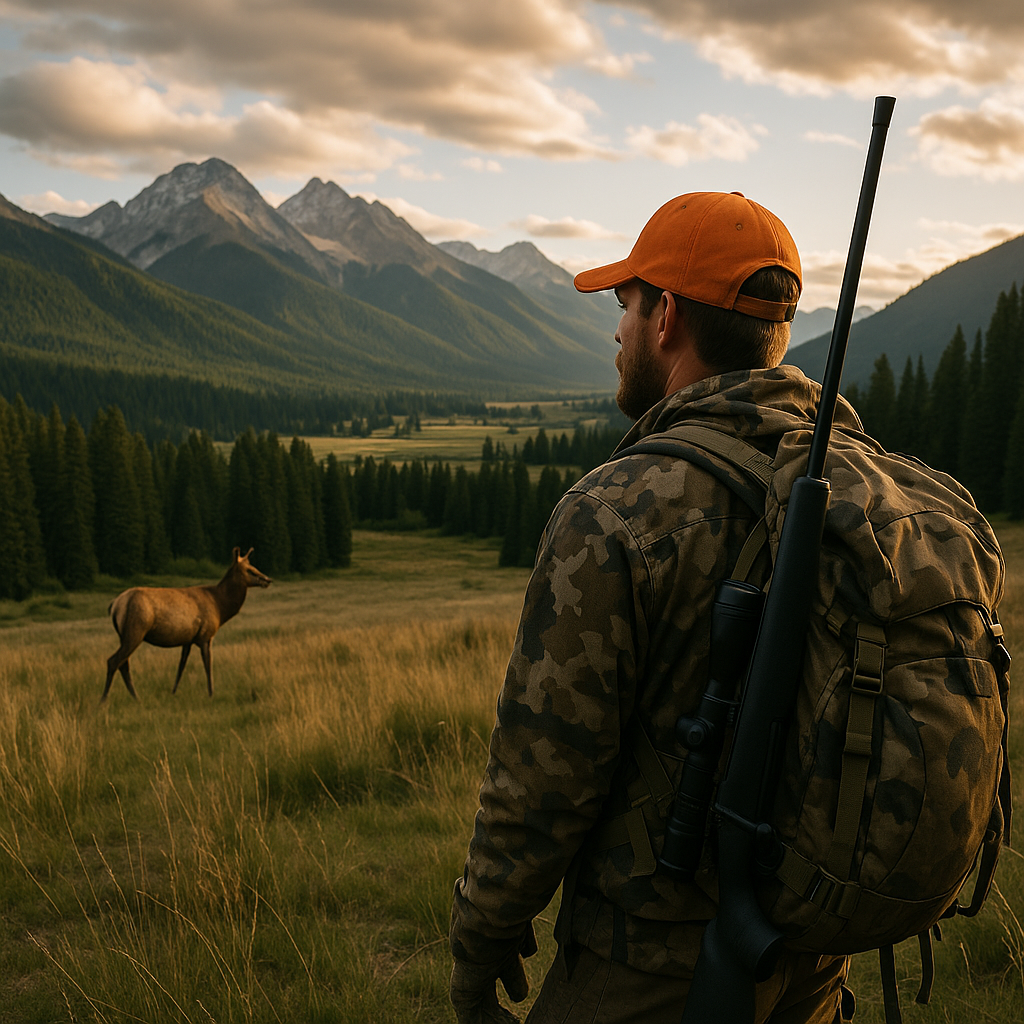
For hunters, closures and restrictions most often impact access, travel routes, and timing. If you’re planning a day trip or a weeklong camp, build a quick “double-check” routine:
- Confirm access points: If you’re using a fishing access site (FAS) to reach public land or a river corridor, verify it’s open and not under a temporary closure.
- Watch for area-specific restrictions: Some notices may limit certain uses (for example, camping, fires, or motorized travel) even when the broader area is open.
- Read the fine print on dates: A restriction might apply only during a specific window—common during maintenance, events, or sensitive wildlife periods.
Also remember that FWP updates are only one piece of the puzzle. If your plan crosses federal land, it’s wise to check the relevant agency too (for example, the U.S. Forest Service or BLM) for their own closures and fire restrictions. When in doubt, verify at the managing office.
How anglers can stay ahead of river and site changes
Anglers feel restrictions most acutely during heat and drought. When water temperatures climb, fisheries managers may implement protective measures to reduce stress on trout and other coldwater species. Reports indicate FWP uses public notices and news posts to communicate these changes, including when restrictions start and when they’re lifted.
Before you hitch up the drift boat or point the truck toward a favorite run:
- Check for time-of-day limits: If hoot-owl restrictions are in place, plan to fish early and be off the water by the posted time.
- Confirm boat ramps and access sites: Construction, flooding, or maintenance can temporarily close ramps or parking areas.
- Have a backup water: Keep a short list of nearby options so you can pivot if a stretch is restricted.
Even when restrictions aren’t in place, consider voluntary best practices during warm spells: fish early, keep handling to a minimum, and avoid playing fish to exhaustion.
For farmers and ranchers: why these updates still matter
FWP notices aren’t just for folks holding a tag or a fishing license. Producers who run stock near riparian corridors, lease hunting access, or deal with wildlife conflicts can benefit from staying current.
- Access and traffic: If a popular site closes, pressure can shift to other entry points—sometimes closer to working operations.
- Wildlife management actions: Some updates may relate to seasonal management, public meetings, or proposals that affect how wildlife is managed locally.
- Planning with neighbors and hunters: If you host or allow access, knowing what’s restricted nearby helps set expectations and avoid misunderstandings.
If you’re coordinating hunter access or dealing with repeat issues, you may also want to keep an eye on FWP’s broader news stream: https://fwp.mt.gov/news.
How to read a closure or restriction notice like a local
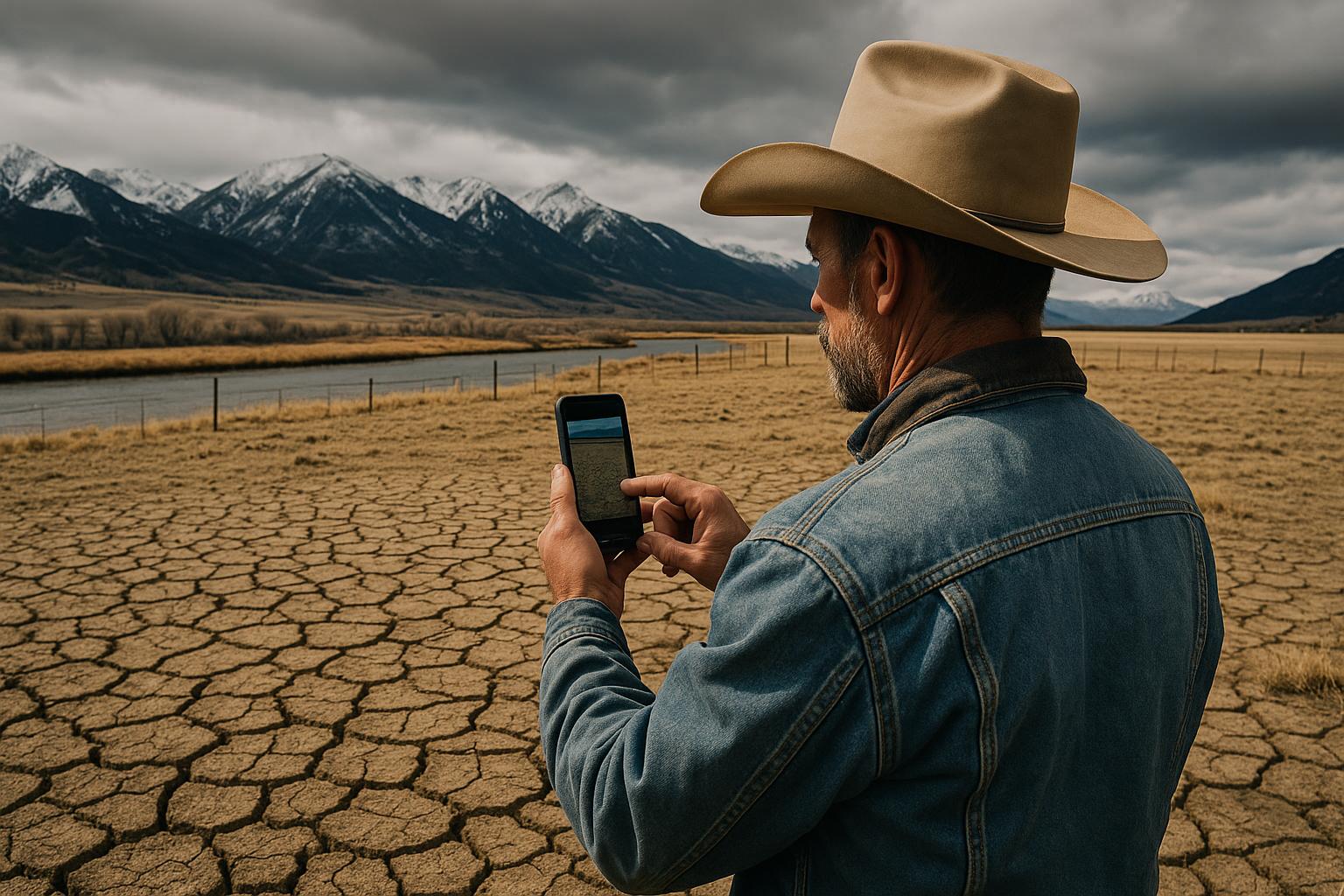
Notices can be dense, and in the field you might be reading on a phone with spotty service. Here’s a quick checklist to pull the important parts fast:
- Location: Is it a site, a river segment, a management area, or a larger region?
- Effective dates and times: When does it start, and when does it end (if listed)?
- Scope: Full closure vs. partial restriction (examples: day-use only, no camping, no fires, no boats, time-of-day fishing limits).
- Reason: Safety, resource protection, construction, wildlife concerns, fire, or emergency conditions.
- Map or boundary description: Look for mile markers, bridge-to-bridge descriptions, GPS references, or attached PDFs.
- Who to contact: Many posts include an office or staff contact for questions.
When the language is unclear, treat it conservatively. If you can’t confirm you’re in compliance, choose a different plan or call the local office before you go.
What this means for Montana
Montana’s outdoor economy runs on trust: trust that rules are clear, trust that access is managed responsibly, and trust that we’ll all do our part when conditions get tough. A centralized stream of closures, restrictions, and public notices helps keep that trust intact.
For hunters and anglers, the practical takeaway is simple: a two-minute check online can save hours of driving and prevent an accidental violation. For landowners and producers, staying informed can help anticipate shifts in recreation pressure and keep communication smoother with neighbors, sportsmen, and local officials.
Most importantly, timely restrictions—especially those tied to heat, drought, fire, or safety—are often about protecting the very resources Montanans depend on: healthy fisheries, resilient wildlife populations, and safe, functional access sites. Even when a closure is inconvenient, it’s usually easier than rebuilding a damaged ramp, responding to an avoidable conflict, or watching a fishery take a hit during a stressful summer.
Quick links to bookmark
- Current closures and restrictions: FWP page
- FWP news and public notices: FWP news
- Home page (for additional tools and navigation): fwp.mt.gov
Inspiration: fwp.mt.gov