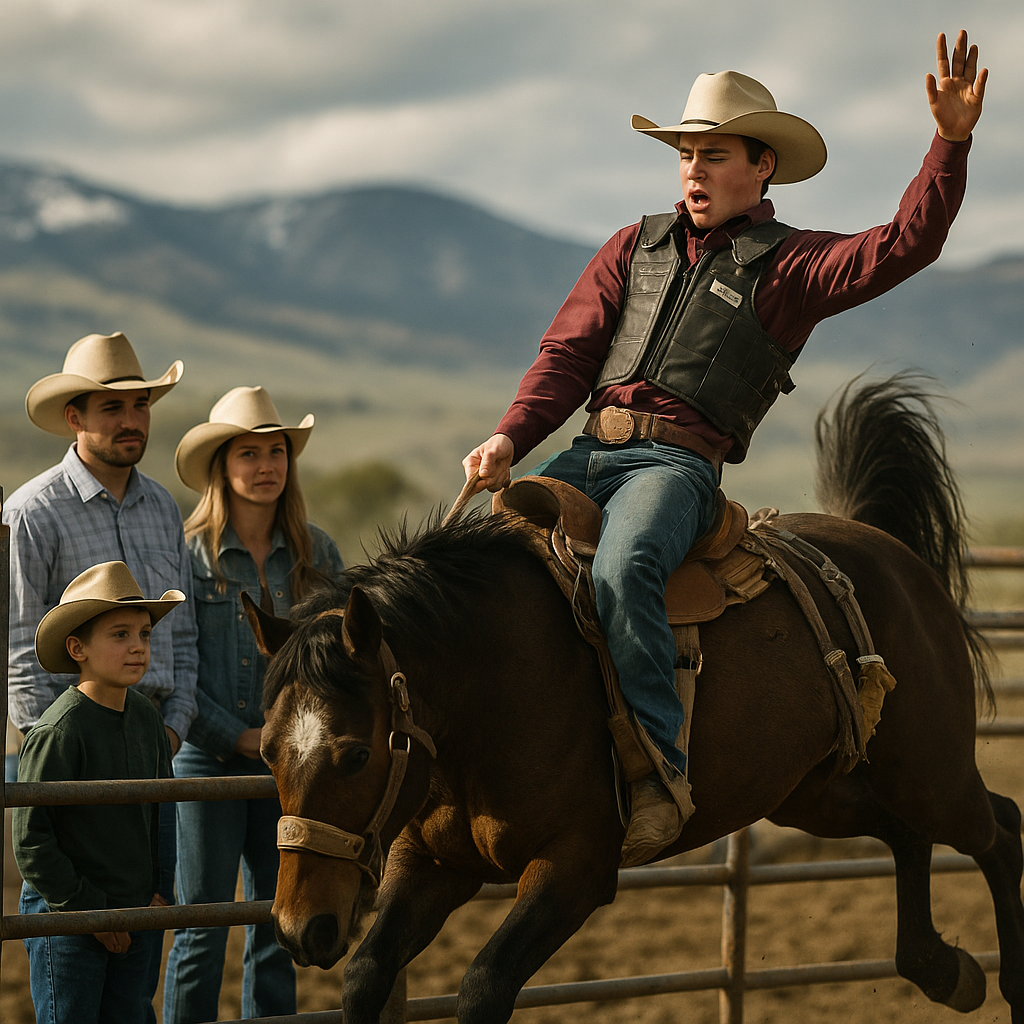
Across the Northern Plains, more high school rodeo athletes are looking at college programs not just as a place to compete, but as a path to education—sometimes with scholarship help. Reports from regional rodeo coverage highlight how certain events and circuits are being used as recruiting touchpoints, giving top competitors a chance to get in front of coaches and scholarship committees.
For Montana families already balancing fuel, entry fees, vet bills, and school schedules, the bigger question is practical: what actually helps a rodeo kid move from high school arenas to a college roster—and what’s just expensive noise? Here’s a grounded look at how the process generally works, what to ask, and where Montana athletes can gain an edge without getting sold a bill of goods.
Quick takeaways
- Performance matters, but so do grades. Many rodeo scholarships stack with academic aid—sometimes that’s the biggest money on the table.
- Recruiting is relationship-driven. Coaches want consistency, coachability, and good stockmanship, not just one fast run.
- Know the true cost. Travel, practice facilities, and horse upkeep can outweigh a small scholarship.
- Ask about team fit and support. Practice access, livestock/horse housing, and academic resources vary widely by school.
How college rodeo recruiting typically works
College rodeo sits under the National Intercollegiate Rodeo Association (NIRA) umbrella, with regional conferences and qualifying structures. Unlike some NCAA sports, recruiting can feel less formal and more personal—especially in the West. Coaches and program directors often watch athletes at major high school rodeos, regional showcases, and events that draw a deeper field.
Reports indicate that certain “premier” rodeos and invite-style events can function like a rolling tryout: athletes compete, coaches observe, and conversations start in the stands, at the trailer, or after slack. But the biggest misconception is that one big weekend automatically equals an offer. In most cases, coaches are tracking an athlete’s season-long consistency, attitude, and ability to handle pressure.
What coaches are really looking for
Every program has its own priorities, but the same themes come up again and again when you talk to people around the sport.
- Consistency over flash. A steady competitor who places often can be more attractive than someone who wins big once and struggles the next five rodeos.
- Stockmanship and horsemanship. Good hands, good timing, and good judgment—especially in roughstock and timed events—signal long-term potential.
- Coachability. College programs invest time. They want athletes who can take instruction, adjust, and keep their head when things go sideways.
- Academic readiness. Eligibility and progress toward a degree matter. A kid who can’t stay eligible can’t help a team.
- Character and reliability. Showing up, handling responsibilities, treating stock and people right—those things travel fast in the rodeo world.
Scholarships: what’s common, what to confirm
Families hear “scholarship” and picture a full ride. In reality, rodeo awards can range from modest to significant, and they’re often part of a larger financial package. Some schools have athletic/rodeo-specific funds, while others lean heavily on academic scholarships, in-state reciprocity, and department-based awards (ag, animal science, trades, etc.).
Before you count on any number, confirm it in writing and ask how it works year-to-year. Here are the questions that save headaches:
- Is the scholarship guaranteed for multiple years, or renewed annually?
- What are the requirements? Minimum GPA, credit load, conduct rules, team participation, fundraising expectations.
- Can it stack with academic aid and need-based aid?
- Is it tied to competing in a specific event? What happens if an injury or horse issue changes plans?
- What costs are not covered? Housing, meal plans, travel, horse boarding, feed, vet/farrier, practice fees.
One more detail Montana families should run down: residency and tuition rules. Out-of-state tuition can erase a smaller scholarship quickly. Some students choose schools where they can establish residency after a year; others look for tuition agreements or programs with strong institutional aid.
The real budget: entry fees are just the start
Rodeo families are already good accountants, even if it’s all in a notebook on the dash. College adds new line items:
- Conference travel. Depending on the school, you may be hauling across multiple states for weekend rodeos.
- Horse housing. Does the college have stalls? Is there a waitlist? What are monthly costs and rules?
- Practice facilities. Access to an indoor arena in winter can be a game-changer in the Northern Rockies.
- Insurance and health costs. Injuries happen. Understand what coverage the school expects.
- Equipment wear. Tires, trailers, tack, ropes, chutes, and the constant drip of repairs.
A smart approach is to build a simple “season budget” before committing: tuition/fees, housing, feed, hauling, and a conservative vet/farrier estimate. Then compare that to scholarship and aid offers. The best “deal” is often the one that keeps the student-athlete financially stable enough to stay in school and keep competing.
Building a recruiting plan that works from Montana
Montana athletes don’t always have a college program in their backyard, so being intentional matters. You don’t need a marketing firm—you need a plan.
- Create a short rodeo resume. Events, year, associations, key finishes, GPA, intended major, references.
- Use video wisely. Two to four clean clips can help: one or two full runs, not just highlights. Coaches want to see the whole picture.
- Reach out early. Email coaches with your basics, schedule, and a link to video. Keep it short and respectful.
- Ask where they’ll be watching. If a coach is attending a certain rodeo, that’s valuable information for planning.
- Keep grades up. Even a small GPA bump can open bigger academic scholarship doors.
And don’t overlook the value of local mentors. A respected Montana coach, ag teacher, or longtime competitor making a phone call can carry more weight than a glossy social media post.
Picking the right school: beyond the arena
It’s easy to fall in love with a team jacket and a nice arena. But the right fit is the place where the student will finish a degree and still want to ride.
When you visit campuses, look at:
- Academic program strength. Does the school offer what the student actually wants to study?
- Class scheduling flexibility. Rodeo weekends can collide with labs and required courses.
- Team culture. Are teammates supportive? Is there structure? How are conflicts handled?
- Livestock/horse support. Stalls, pasture options, feed availability, winter water, vet relationships.
- Coaching style. Some programs are highly structured; others are more hands-off.
Also ask a question that’s easy to skip: What happens when things go wrong? A horse gets sore, a student gets behind in classes, a trailer breaks down. The best programs have practical systems and people who help solve problems instead of adding pressure.
What this means for Montana
For Montana, the growing visibility of college rodeo recruiting can be a net positive—if families approach it with clear eyes. Rodeo is already part of the state’s working-horse culture, and many competitors come from ranches where responsibility is learned early. That background can translate well in college programs that value grit, livestock sense, and the ability to handle long miles.
But Montana athletes also face realities: longer hauls to major recruiting hubs, winter conditions that limit practice time, and the higher cost of traveling out of state. The upside is that Montana kids who plan ahead—lining up academic aid, selecting a program with realistic travel demands, and ensuring horse housing and practice access—can compete on equal footing.
In practical terms, the best move for many families is to treat college rodeo as a two-part decision: a school that makes sense for the degree, plus a rodeo program that supports the student’s development. When those align, rodeo can be more than a weekend pursuit—it can help keep a young Montanan in agriculture, in the horse industry, and connected to rural communities long after graduation.
A checklist to bring to the next conversation
- What is the total scholarship/aid package, and what are the renewal requirements?
- What are the annual travel expectations and estimated costs?
- Where will my horse live, and what does it cost month-to-month?
- What practice facilities are available in winter and spring?
- How does the program support academics during rodeo season?
- Who do I contact if I’m injured or my horse can’t compete?
Inspiration: “college rodeo” – Google News (link).