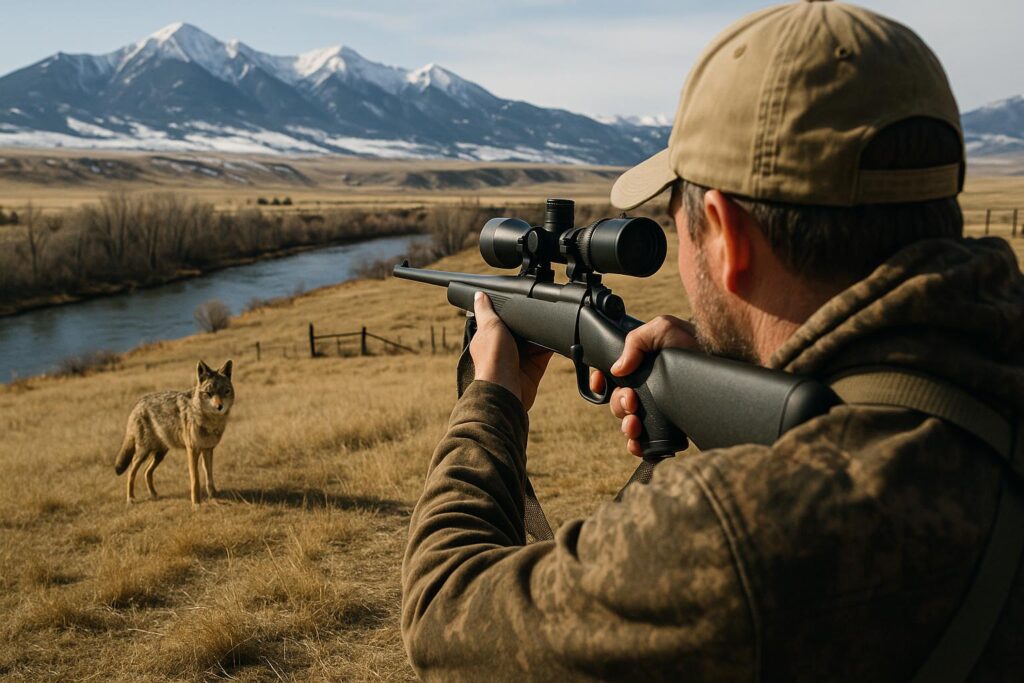
In parts of Southwest Montana, coyotes aren’t just background noise on a cold night—they’re a real factor in whether a rancher sleeps easy during calving, and whether local deer and antelope fawns make it through their first few weeks. That’s the thinking behind a recent predator derby hosted by the Southwest Montana Chapter of Montana Sportsmen for Fish & Wildlife (MTSFW), where reports indicate participants removed more than 80 coyotes over the course of the event.
Predator derbies can spark strong opinions, but in working landscapes—where winter-killed carcasses, calving grounds, and big-game nursery areas overlap—many locals see targeted coyote harvest as one tool among many. The derby’s organizers framed it as a practical effort to reduce predation pressure during sensitive seasons for both wildlife and livestock.
Why coyotes matter in Southwest Montana
Coyotes are highly adaptable and widespread across Montana. They feed on everything from rodents to carrion, and in some situations they’ll prey on young ungulates and vulnerable livestock. In ranch country, the biggest concern is often spring calving and lambing, when a single problem coyote can cause repeated losses. In big-game country, the focus shifts to fawn survival—particularly in years when weather, habitat conditions, or disease already put young animals behind the curve.
It’s important to keep expectations realistic. Removing coyotes from one area doesn’t “solve” predation forever; coyotes can recolonize quickly, and the landscape is always changing. But short-term, localized reductions—especially when timed around calving or fawning—are often viewed as a way to buy time for both ranch operations and wildlife recruitment.
What the derby reportedly accomplished
According to reporting from the event’s organizers, the derby resulted in the removal of over 80 coyotes. Derbies typically involve teams covering large areas over a set window, with check-in procedures and rules meant to keep things organized and legal. The stated goal is not just numbers, but impact: reduce coyote density in places where conflicts are most likely, and do it in a way that’s transparent and community-based.
Because results can vary widely by weather, access, and participation, it’s best to treat any single event as a snapshot rather than a long-term trend. Still, removing that many coyotes in one coordinated push suggests strong turnout and a lot of time on the ground.
How sportsmen and ranchers see the same problem
In Southwest Montana, the line between “hunting country” and “ranch country” is often the same fence. That’s part of why predator management can bring different communities together. Hunters want healthy herds and better fawn recruitment. Ranchers want fewer losses and less stress during the busiest season of the year.
Many landowners are also quick to point out that predator issues aren’t uniform. One drainage might see little trouble, while a neighboring valley has repeated depredation. That’s why targeted efforts—focused where problems are documented—tend to get the most support locally.
- For ranchers: fewer coyotes near calving areas can reduce the odds of repeated hits from a problem pair.
- For wildlife: fewer coyotes on key winter range and nursery habitat may help fawns during a narrow survival window.
- For communities: organized events can build relationships and encourage responsible, lawful participation.
Keeping it legal and ethical
Montana’s rules around coyotes differ from those for many big-game species, but hunters still need to know what’s required where they’re hunting—especially around private land permission, weapon restrictions in certain areas, and any local considerations.
For official, current guidance, hunters should check the Montana Fish, Wildlife & Parks (FWP) website and regulations before heading out. Start here: https://fwp.mt.gov/.
Ethics matter, too. Even among people who support predator control, there’s broad agreement on a few basics: know your target, respect property boundaries, make clean shots, and avoid waste. Many derby organizers also emphasize safe handling and clear check-in protocols.
Predator control isn’t a silver bullet
It’s tempting to connect a big coyote tally directly to next year’s fawn crop or a ranch’s bottom line. Reality is more complicated. Fawn survival can swing with late snowstorms, drought, habitat quality, and the abundance of alternative prey like rodents and rabbits. Livestock losses can be driven by a handful of repeat offenders rather than overall coyote numbers.
That’s why most wildlife professionals talk about predator harvest as a tool—not a cure-all. In some settings, it can help. In others, habitat improvements, better carcass management, tighter calving supervision, guard animals, or targeted removal of specific problem coyotes may make a bigger difference.
What this means for Montana
At a statewide level, this kind of event highlights a few realities about modern Montana:
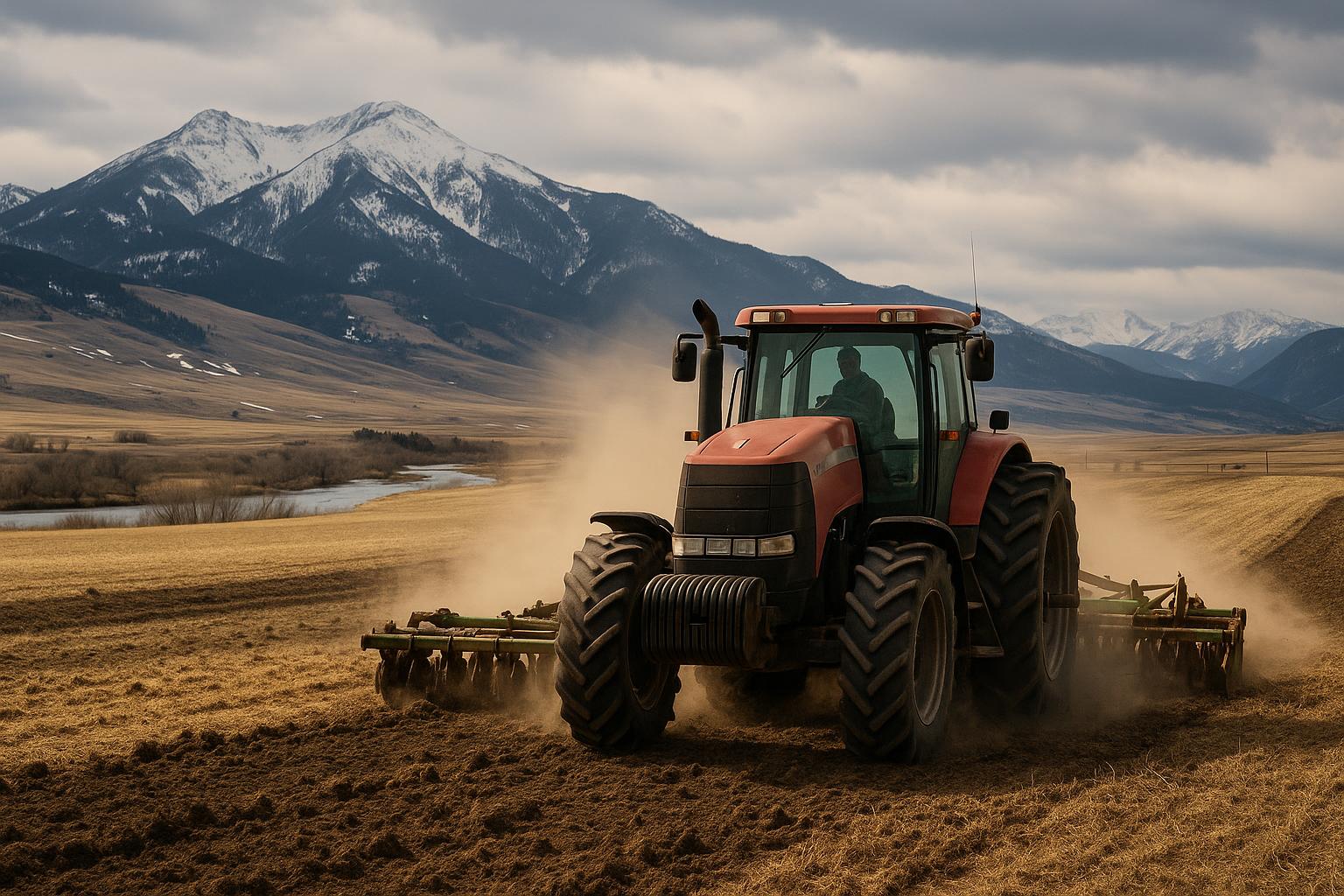
- Working lands and wildlife are inseparable. The same foothills and benches that grow calves and lambs also grow mule deer and antelope.
- Local action is still a big deal. Whether you’re a sportsmen’s group, a stockgrower, or a neighborhood of landowners, coordinated effort can move the needle—at least locally and temporarily.
- Predator conversations are here to stay. As development expands and access changes, communities will keep debating what “enough” predator control looks like and where it belongs.
- Success should be measured carefully. Numbers removed are easy to count; outcomes like fawn recruitment and reduced depredation take time and good reporting.
For hunters, derbies can be one more reason to sharpen winter calling skills and build relationships with landowners. For ranchers, they can be a reminder that there are neighbors willing to help—especially when the help is organized, lawful, and focused on real problem areas.
Where to learn more or get involved
Anyone interested in predator hunting opportunities, land access expectations, or current rules should start with Montana FWP: https://fwp.mt.gov/. For those looking to connect with sportsmen-led conservation work, local chapters of groups like MTSFW often share event details, volunteer needs, and conservation projects through their own channels.
And for landowners dealing with persistent depredation, it’s worth documenting losses and reaching out through the appropriate avenues—whether that’s a local warden, a wildlife specialist, or trusted neighbors who can help with targeted removal.
Inspiration: www.montanaoutdoor.com