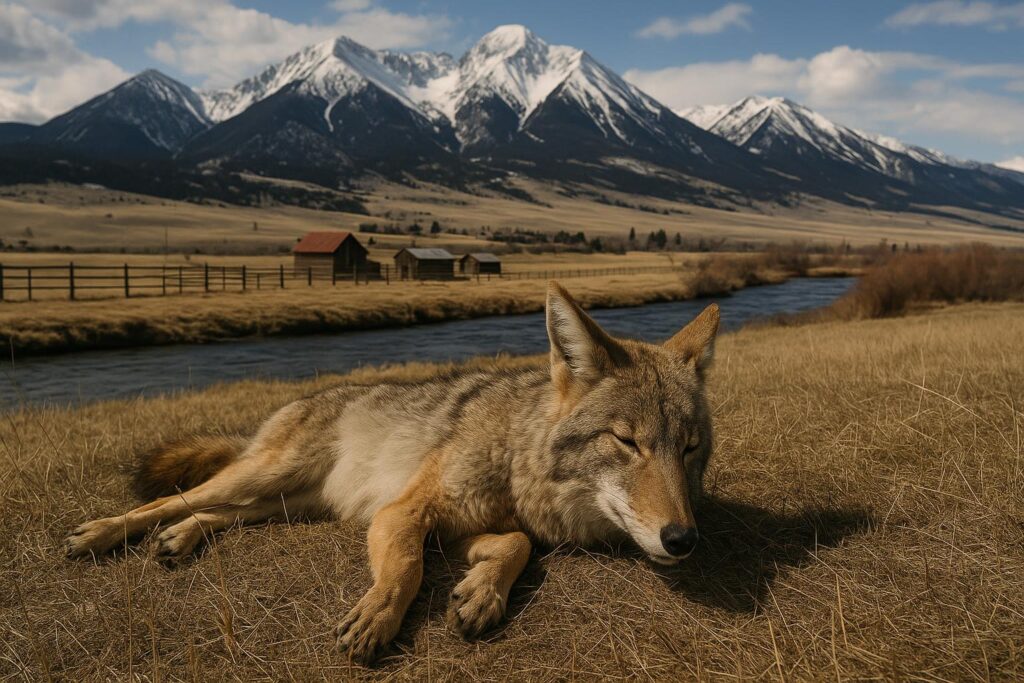
Southwest Montana’s mix of winter range, open benchlands, and working ranch country is prime habitat for coyotes—and a place where predator numbers can matter to both wildlife managers and livestock producers. Reports from a recent sportsmen-led coyote derby in the region indicate more than 80 coyotes were removed over the course of the event, an outcome supporters say can help reduce predation pressure on newborn fawns and on livestock during vulnerable periods.
Predator control is never a one-size-fits-all tool, and it doesn’t replace habitat work, sound grazing management, or careful hunting regulations. Still, in parts of Montana where coyotes are abundant and where fawning and calving overlap with high predator activity, targeted removal can be one piece of a broader strategy—especially when it’s coordinated with landowners and carried out within state rules.
What happened: a derby with local conservation goals
According to the account that circulated from the organizing sportsmen’s group, participants in a Southwest Montana coyote derby collectively removed more than 80 coyotes. Organizers framed the effort as a practical conservation project aimed at lowering predation risk for deer fawns and reducing losses for ranchers.
It’s worth noting that the exact, measurable biological impact of any single short-term removal effort can be hard to document without follow-up monitoring. But the event underscores a long-running reality in Montana: coyotes are adaptable, widespread, and capable of affecting both wildlife recruitment and livestock operations, particularly in localized areas and at specific times of year.
Why coyotes matter for fawns and livestock
Coyotes are opportunistic predators. In spring and early summer, they key in on what’s most available—often including afterbirth, carcasses, and vulnerable young animals. That timing can overlap with:
- Fawning season for mule deer and whitetails in many valleys and foothills
- Calving on working ranches, especially where cattle are dispersed across large pastures
- Lambing in some operations, where predation risk can be acute
It’s also important to keep perspective. Not every coyote is a “problem” animal, and predation is only one factor affecting deer numbers. Winter severity, habitat quality, disease, and hunting pressure can all play large roles. But in a given drainage or ranch unit, a small number of coyotes can cause repeated losses—particularly if they learn to target livestock or if conditions concentrate prey.
How predator control fits into Montana’s bigger picture
In Montana, coyotes are generally managed as predators and can be taken year-round in many circumstances, but rules can vary by location and method. Anyone considering predator hunting should review current guidance from Montana Fish, Wildlife & Parks (FWP) and make sure they are compliant with licensing, access, and any local restrictions.
For ranchers and landowners, predator issues often intersect with federal programs, private trappers, and neighbor-to-neighbor coordination. For sportsmen, local derbies and organized hunts can be a way to contribute time and effort—so long as the event is conducted legally, ethically, and with clear expectations about what it can and can’t accomplish.
What does “success” look like—and how should it be measured?
Derby totals make headlines because they’re easy to report, but the on-the-ground question is whether targeted removal reduces losses or improves wildlife recruitment in a meaningful way. In practical terms, a more complete picture might include:
- Livestock outcomes: fewer confirmed calf or lamb losses, fewer problem-coyote incidents, reduced time spent hazing or monitoring
- Wildlife outcomes: improved fawn-to-doe ratios in local surveys, better overwinter survival when winters are tough
- Community outcomes: improved relationships between landowners and sportsmen, better access agreements, shared expectations about timing and methods
Even then, it’s difficult to attribute changes to a single effort. Coyotes can recolonize quickly, and weather-driven prey cycles (especially rodents and rabbits) can influence coyote behavior year to year. The most defensible claims are usually local and short-term: reducing immediate pressure in a specific area during a specific window.
Ethics and practical considerations for Montana predator hunters
Predator hunting in Montana comes with the same responsibilities as any other hunting: safe firearm handling, respect for landowner rules, and a commitment to humane shot placement and recovery. A few practical points matter in coyote country:
- Know your access: Confirm boundaries and permissions. Many productive areas are a patchwork of private and public land.
- Be weather-aware: Winter travel can turn dangerous quickly in Southwest Montana. Tell someone where you’ll be.
- Use caution around livestock: Avoid shooting near stock or buildings; coordinate with the rancher on where animals are bedded or calving.
- Plan for retrieval: Even if pelts aren’t prime, responsible hunters make every effort to locate animals and avoid waste where applicable.
For those new to predator calling, many local sportsmen’s clubs and experienced callers are willing to share basics on setups, wind, and shot opportunities—especially when the goal is helping a neighbor protect a calving pasture. As always, stay within legal methods and seasons for any species you might encounter.
What this means for Montana
At its best, a local coyote derby is less about a tally and more about a community showing up for the landscape it depends on. In Southwest Montana, that landscape is shared: wintering deer and elk, working ranches, and public lands that draw hunters and anglers from across the state.
Reports of 80-plus coyotes removed suggest strong participation and a willingness to put boots on the ground. The broader takeaway is that predator management—when done legally and with clear objectives—can be one tool that supports:
- Ranch resilience during calving and lambing
- Local wildlife recruitment where fawn survival is already stressed by winter or habitat constraints
- Cooperation between landowners and sportsmen, which often carries over into access, weed control, and other stewardship work
Montana’s wildlife debates can get polarized fast, but on the ground, many solutions are practical and relationship-driven. Predator control won’t replace habitat improvement, and it won’t fix every tough winter. But in the right place at the right time, it can reduce losses that matter to families and to local herds.
Where to find rules and resources
If you’re considering predator hunting or coordinating with neighbors, start with current, official information and local contacts:
- Montana FWP hunting information for licensing and general guidance
- Montana hunting regulations for method and area-specific details
- Local FWP offices and regional biologists for questions about wildlife surveys and local conditions
For landowners dealing with chronic predation, documenting incidents and communicating early—before calving ramps up—can help target efforts where they’re most likely to make a difference.
Inspiration: www.montanaoutdoor.com