When wildlife cases make headlines, it’s usually not because someone made one small mistake. More often, it’s a chain of choices—cut corners, ignore season dates, bend a rule “just this once”—that snowballs into a full investigation. Reports out of Idaho describe a poaching case involving illegal deer baiting and a moose taken during a closed season. The details matter for Idaho, but the lesson lands close to home for Montana: enforcement is real, evidence adds up fast, and the consequences can follow you for years.
Quick takeaways
- Baiting rules are strict and “it was just a little feed” is rarely a defense.
- Closed-season harvest is treated seriously, especially for limited, high-value species like moose.
- Investigations often involve multiple violations—from how an animal was taken to how it was reported and transported.
- Penalties can include fines, restitution, loss of hunting privileges, and equipment seizure, depending on the case.
- Interstate consequences are possible when license suspensions are shared across state lines.
What reports indicate happened in Idaho
According to coverage from Montana Outdoor, an Idaho Fish and Game investigation centered on allegations of illegal deer baiting and the harvest of a moose during a closed season. While each state’s statutes differ, these are the kinds of violations that typically draw heightened scrutiny because they can directly affect wildlife populations and fair-chase principles.
Wildlife cases also tend to hinge on documentation and corroboration. Baiting allegations may be supported by physical evidence at a site (feed, mineral, attractants), trail camera images, witness statements, or patterns of activity. Closed-season cases often involve season-date records, carcass handling, transport details, and whether the animal was checked in, tagged, or reported as required.
It’s worth noting that public case summaries don’t always include every fact known to investigators. If you’re reading secondhand accounts, treat them cautiously—reports indicate certain actions occurred, but exact charges, pleas, or final dispositions can change as a case moves through the legal system.
Why baiting and closed-season harvest are a big deal
In the West, big game seasons are designed around herd health, breeding cycles, habitat conditions, and harvest objectives. When someone takes an animal out of season—or uses illegal methods like baiting where it’s prohibited—it doesn’t just break a rule. It can:
- Undermine fair chase by concentrating animals and increasing predictability.
- Increase disease risk where animals gather unnaturally (a concern often raised in the context of chronic wasting disease management).
- Skew harvest data that biologists rely on for future season structures and permits.
- Fuel public backlash that can affect hunting’s social license.
Moose are a good example of why closed-season harvest is treated as serious. In many places, moose opportunities are limited and tightly managed. A single illegal harvest can carry outsized impacts—biologically, socially, and in terms of restitution values.
How cases like this usually get built
Most experienced hunters and landowners know the stereotype of “a warden catching someone red-handed.” Reality is often more methodical. Wildlife cases can be built through:
- Tips from the public (neighbors, other hunters, landowners, or local residents noticing patterns).
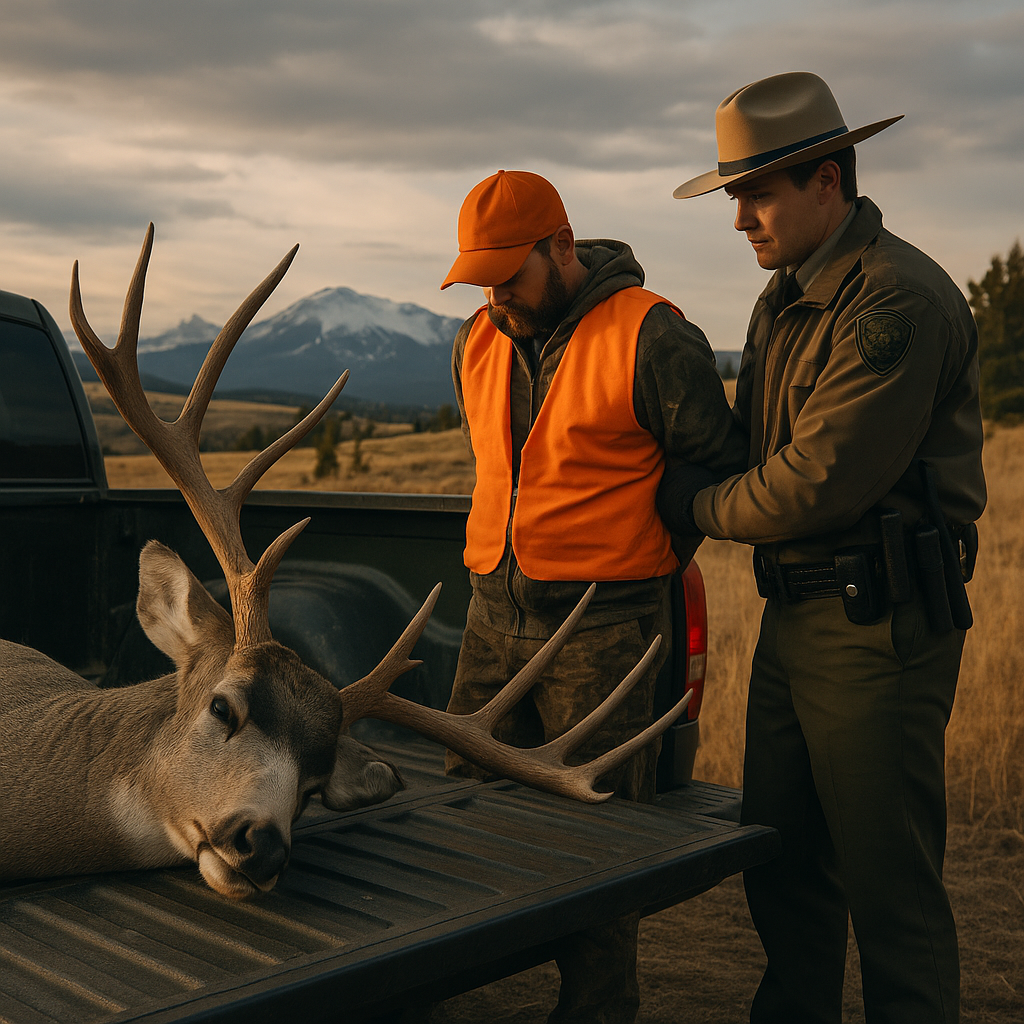
- Routine contacts during season checks, road patrols, or check stations.
- Digital evidence such as texts, social media posts, trail camera timestamps, and GPS-tagged photos.
- Physical evidence including bait sites, carcass remains, or transport records.
Even when a person believes they’re being careful, modern phones and cameras create a paper trail. A photo taken “just for buddies” can include date, time, and location metadata. That’s not a reason to be paranoid—it’s a reason to be lawful and thoughtful.
What this means for Montana
Montana hunters don’t need an Idaho case to know the rules matter, but it’s a timely reminder before spring scouting, shed hunting, and next fall’s planning ramps up. A few Montana-specific points to keep front of mind:
- Know the method restrictions for the district and species you’re hunting. Montana’s regulations can vary by hunting district, weapon type, and season structure. Read the current year regs and any in-season updates from Montana Fish, Wildlife & Parks.
- Be crystal clear on season dates and permit requirements. “I thought it was open” is one of the most expensive assumptions in the outdoors. If you’re hunting a limited species or permit-only unit, double-check your paperwork and the exact boundaries.
- Don’t treat bait, attractants, or supplemental feed casually. The line between “helping wildlife” and creating an illegal hunting advantage can be thinner than people think, and it can change with disease-management policies. If you’re feeding or salting on private ground, consider how it could be interpreted during hunting season.
- Interstate consequences can follow you. Many states participate in agreements that recognize license suspensions across state lines. A major violation in one state may affect your ability to hunt in another.
For Montana’s hunting community, the bigger takeaway is cultural: we’re at our best when we police ourselves—calling out bad behavior, mentoring new hunters on the regs, and keeping fair chase as more than just a slogan.
Practical ways to stay on the right side of the regs
No one wants a simple oversight to turn into a ticket—or worse, a confiscated rifle and a years-long loss of privileges. A few habits reduce risk:
- Carry the regs and maps you actually use. Download offline maps and keep a printed backup for unit boundaries and access routes.
- Confirm the animal, the unit, and the date—every time. That sounds basic, but most “I messed up” stories start with rushing a decision.
- Be cautious with photos. If you’re going to share, make sure the animal is properly tagged, the scene is respectful, and you’re not unintentionally documenting a violation.
- When in doubt, ask before you act. A quick call or message to an FWP office can save you a world of trouble. Keep contacts handy from FWP’s contact page.
- If you see something, report it. Ethical hunters are the backbone of enforcement. Montana’s reporting options are available through FWP; start at FWP’s report-poaching information.
Why this matters to landowners, too
Even if you’re not the one holding the tag, illegal activity can create headaches for landowners and ranch managers. Bait sites, trespass, and out-of-season shooting can bring unwanted attention, conflict with neighbors, and safety concerns for livestock operations. Clear communication helps:
- Post boundaries and access rules where appropriate.
- Use written permission so everyone understands where they can and can’t go.
- Talk early with hunters about expectations on gates, roads, livestock, and carcass disposal.
Most hunter-landowner relationships in Montana are built on trust and respect. High-profile poaching stories—whether in Montana or next door—can strain that trust. Staying lawful protects access for everyone.
The bottom line
Reports of illegal baiting and a closed-season moose harvest in Idaho are a reminder that wildlife laws aren’t technicalities—they’re the framework that keeps seasons fair, herds healthy, and hunting opportunities intact. In Montana, the best way to protect your tradition is simple: know the regs, hunt clean, and don’t let a moment of convenience become a lifetime of consequences.
Inspiration: Montana Outdoor