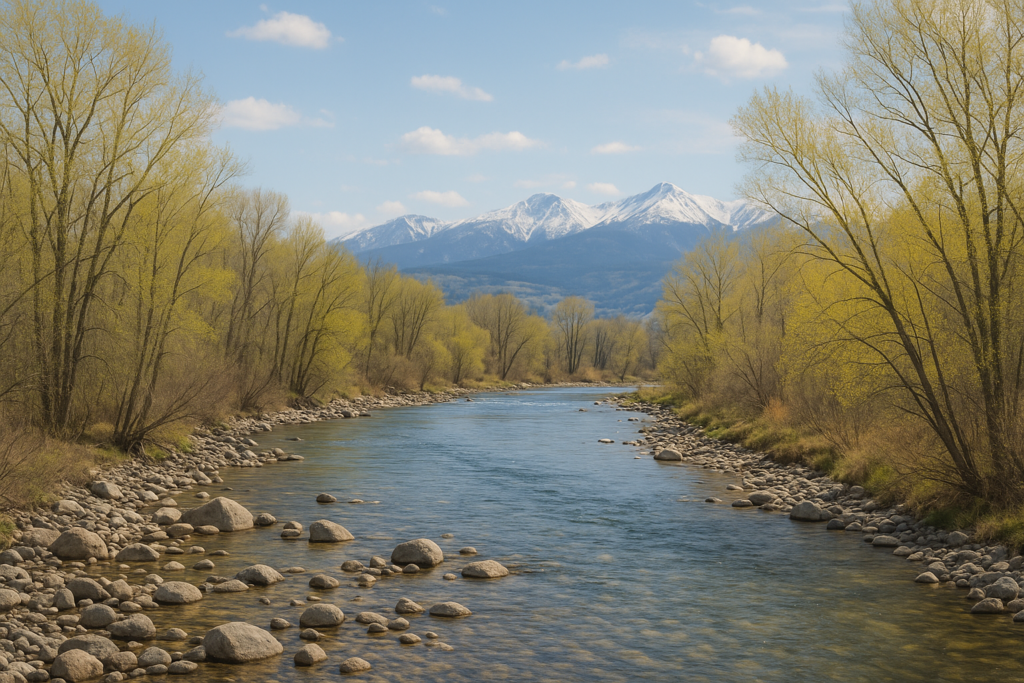
The chill of early March may still grip the Stillwater River, but anglers have plenty to look forward to as spring approaches. With water temperatures slowly rising and flows stabilizing, the promise of a vibrant trout season is starting to take shape.
Key Takeaways
- Cold early March water can slow trout activity on the Stillwater River.
- Flows are stabilizing, and fishing should improve as water temperatures rise heading into spring.
- Rainbow and brown trout are expected to become more active as warming trends boost feeding.
- Nymphs and streamers have produced modest success, especially in deeper pools where fish may hold for warmth.
- Timing matters: watching water temps, flow rates, and local reports can help you dial in when (and how) to fish.
What’s Happening on the Stillwater River
The Stillwater River, a renowned trout fishing destination in Montana, is currently experiencing cold water conditions typical of early March. However, with the seasonal transition underway, conditions are expected to improve significantly. Experts report that the river’s flow rates are stabilizing, creating a more conducive environment for trout—particularly rainbow and brown varieties—to become more active as the waters warm.
Local fishing guides have noted that while the current temperatures may deter some from casting their lines, the trout are beginning to show signs of increased activity. This is attributed to the gradual warming trend which typically leads to enhanced feeding patterns. Anglers using nymphs and streamers have reported modest success, particularly in deeper pools where fish are likely to congregate for warmth.
If you’re comparing conditions across the state, it can help to scan broader regional updates like the Southwest Montana fishing report and this Southwest Montana river check-in to see how warming trends and river behavior are playing out elsewhere.
Why It Matters
The upcoming improvement in fishing conditions is significant for several reasons. Firstly, the Stillwater River is a vital component of Montana’s fishing tourism, attracting thousands of anglers each year. As the water warms, not only do trout become more active, but the hatches of insects that form their diet also increase, further enhancing fishing prospects.
For local businesses, including tackle shops and guiding services, a robust fishing season translates into economic vitality. The anticipation of a strong spring season is therefore not just a boon for anglers, but a critical economic driver for the region.
For anglers looking to mix trip planning with other Montana fishing opportunities, keep an eye on events like Montana’s fishing contests, which highlight where participation and excitement are building.
The Bigger Picture
Historically, the Stillwater River has been a reliable gauge of the broader health of Montana’s river ecosystems. The river’s health and the quality of fishing it offers are often indicators of regional environmental conditions, including snowpack levels and precipitation patterns.
Climate trends have shown variable snowpack levels in recent years, which affect river flows and, consequently, the health of fish populations. Conservation efforts continue to play a crucial role in maintaining the river’s ecological balance, ensuring that the Stillwater remains a prime fishing destination for future generations.
What to Watch For (Late March Into April)
As we move deeper into March and approach April, anglers should monitor water temperatures and flow rates closely. These indicators will not only affect fish behavior but also determine the most effective fishing strategies. Additionally, following local fishing reports and updates will provide critical insights into emerging patterns and successful techniques.
The spring season also brings with it the emergence of specific insect hatches, such as caddisflies and mayflies, which can dramatically influence trout feeding behaviors. Being prepared with the appropriate gear and knowledge of these hatches will be key to a successful fishing experience.
Ultimately, patience and adaptability will be crucial for anglers looking to capitalize on the improving conditions at the Stillwater River this spring. For more detailed updates and expert insights, visit the original report on Montana Outdoor.
Frequently Asked Questions
When is the best time to fish the Stillwater River?
The best time is typically spring and early summer, when water temperatures rise and trout activity increases.
What are conditions like on the Stillwater River in early March?
Early March is typically cold, which can slow trout activity. As water temperatures begin to rise and flows stabilize, fishing generally improves heading into spring.
What types of fish are found in the Stillwater River?
The Stillwater is known for its populations of rainbow and brown trout.
How do water temperatures affect trout fishing?
Cold water can slow trout metabolism, making them less active. As temperatures rise, trout tend to feed more, improving fishing conditions.
What techniques are working right now on the Stillwater?
Based on current reports in this update, nymphs and streamers have produced modest success—especially when focused on deeper pools.
Where are anglers having the most success right now?
Deeper pools are a common holding area during cold conditions, and that’s where anglers have reported the most consistent (modest) success.
What should anglers monitor as spring approaches?
Water temperatures and flow rates are key indicators to watch as March progresses into April, since they influence trout behavior and the effectiveness of different tactics.
Which spring hatches can influence trout feeding on the Stillwater?
Caddisflies and mayflies can significantly affect trout feeding behaviors during spring.
Related Reading
- Southwest Montana Fishing Report: Yellowstone to Missouri Conditions and Tactics
- Southwest Montana River Check-In: What Anglers Are Seeing on the Yellowstone, Madison, Missouri and More
- Fort Peck Ice Fishing Report: Lake Trout Biting at Rock Creek (65–80 Feet) as Warm Front Raises Ice Safety Concerns
- Montana’s Fishing Contests Reel in Big Catches and Cash