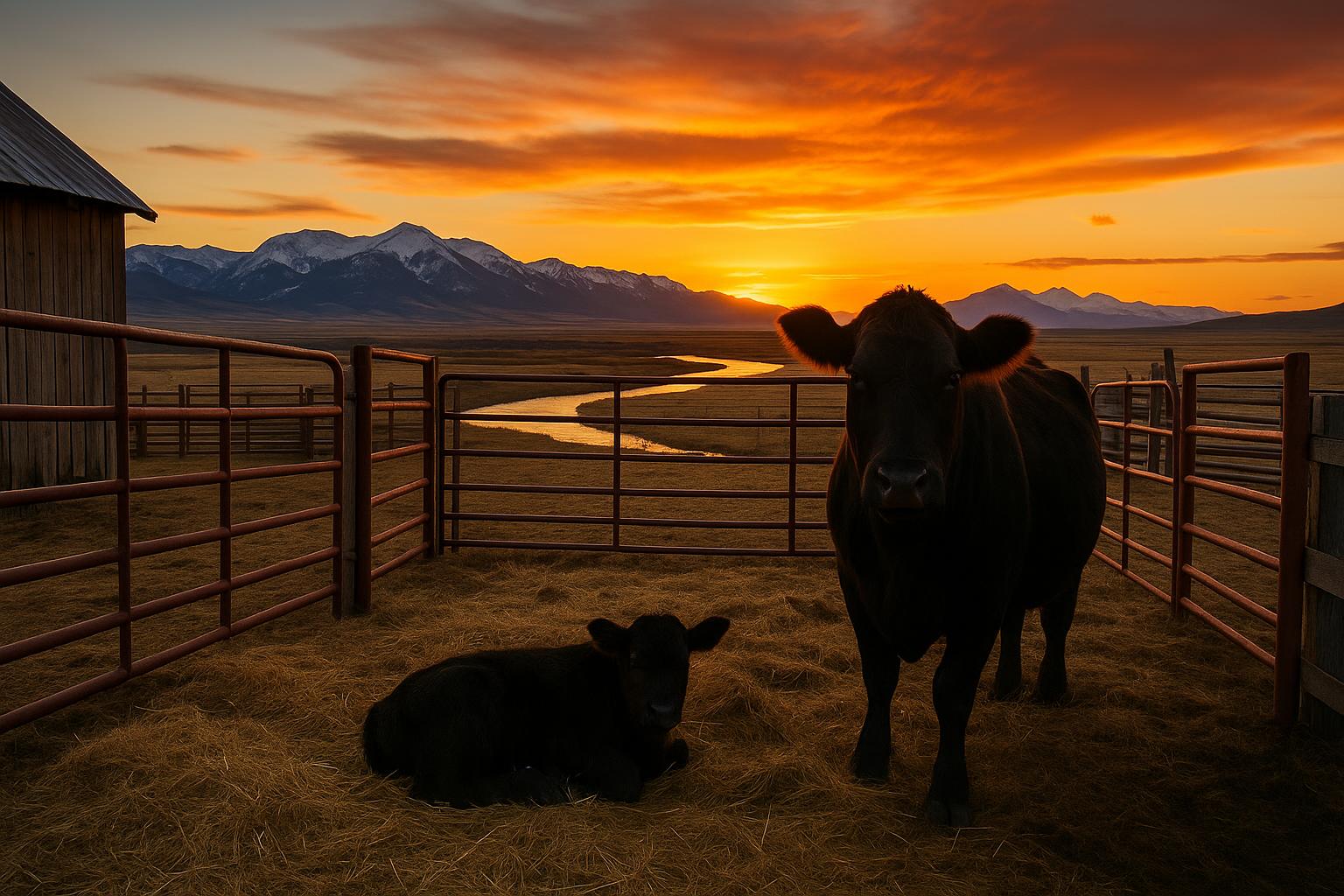
Montana Ag on Instagram: Hay Season, Calving Pens, and Big Sky Sunsets Worth a Look
Scroll any summer evening and you’ll find it: windrows lined up like corduroy, a baler kicking dust in the last light, calves nosing a mineral tub, and that unmistakable Big Sky glow hanging over a pivot or a set of corrals. Instagram has become a modern-day tack room bulletin board — part storytelling, part shop […]
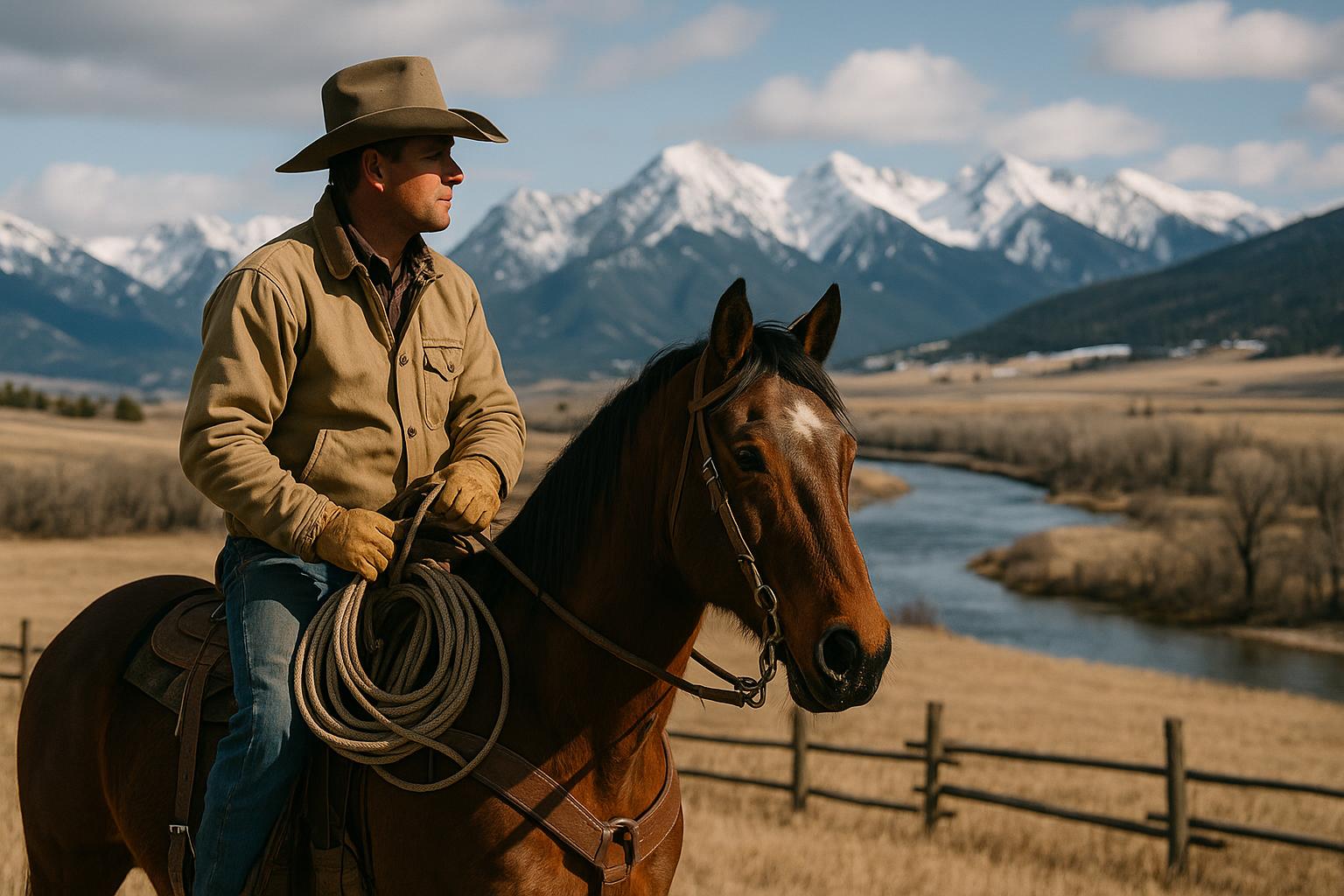
Montana’s Guide to the NFR Week: Where to Find Rodeo, Horses, and Western Culture in Las Vegas
Every December, a slice of the West sets up camp in Las Vegas. For Montanans who rope, ranch, ride, or just like the smell of leather and fresh coffee before daylight, Wrangler National Finals Rodeo (NFR) week can feel like a big family reunion—only with brighter lights and longer lines. There’s the rodeo itself, of […]
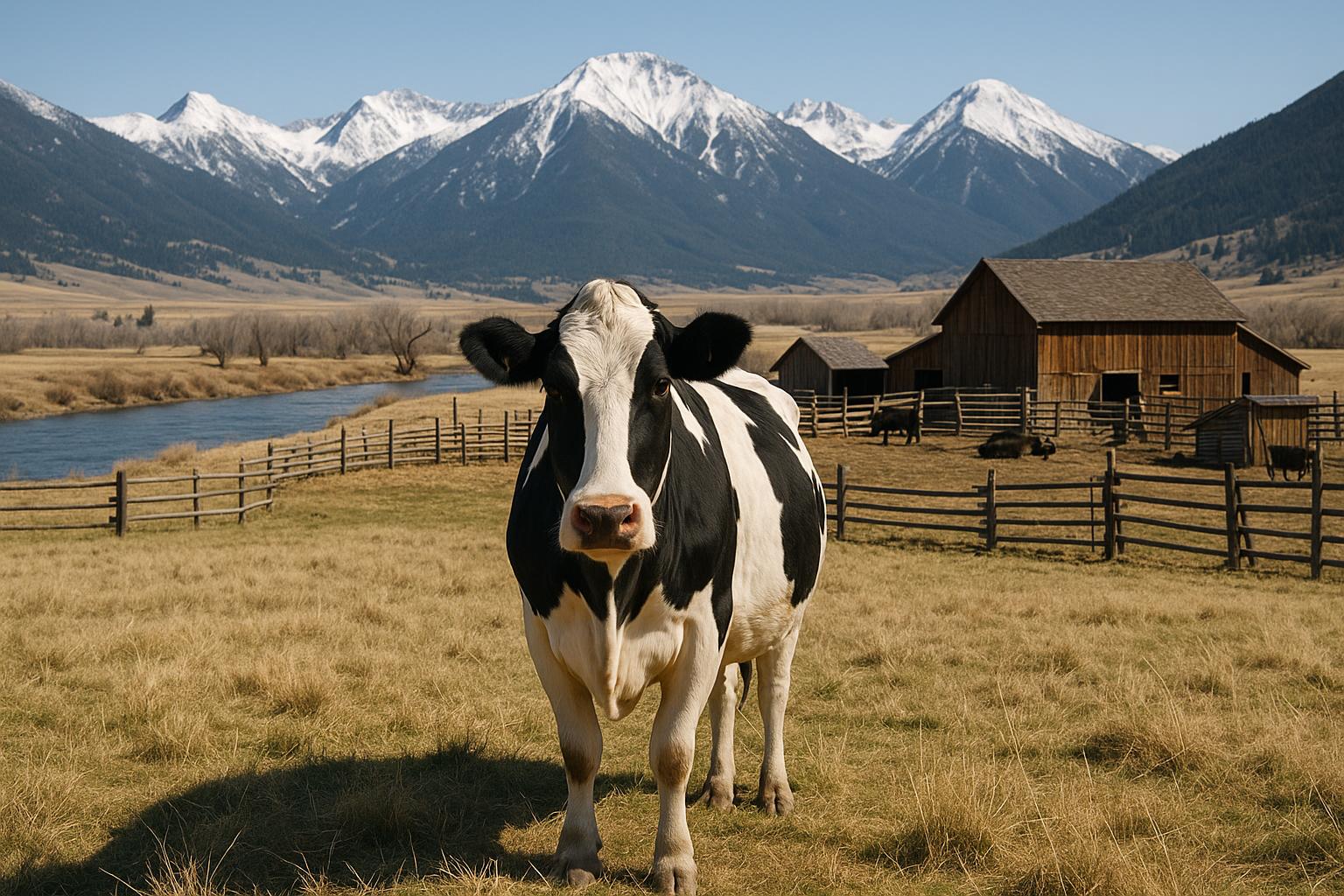
Montana Dairies and Milk Checks: Practical Levers to Steady the Mailbox Price
In Montana, a milk check can feel a lot like river flows in July: you can’t control the weather upstream, but you can manage what happens on your place. Milk pricing is influenced by national and global markets, federal milk marketing rules, processing capacity, and transportation realities—especially in a state where distance is always part […]
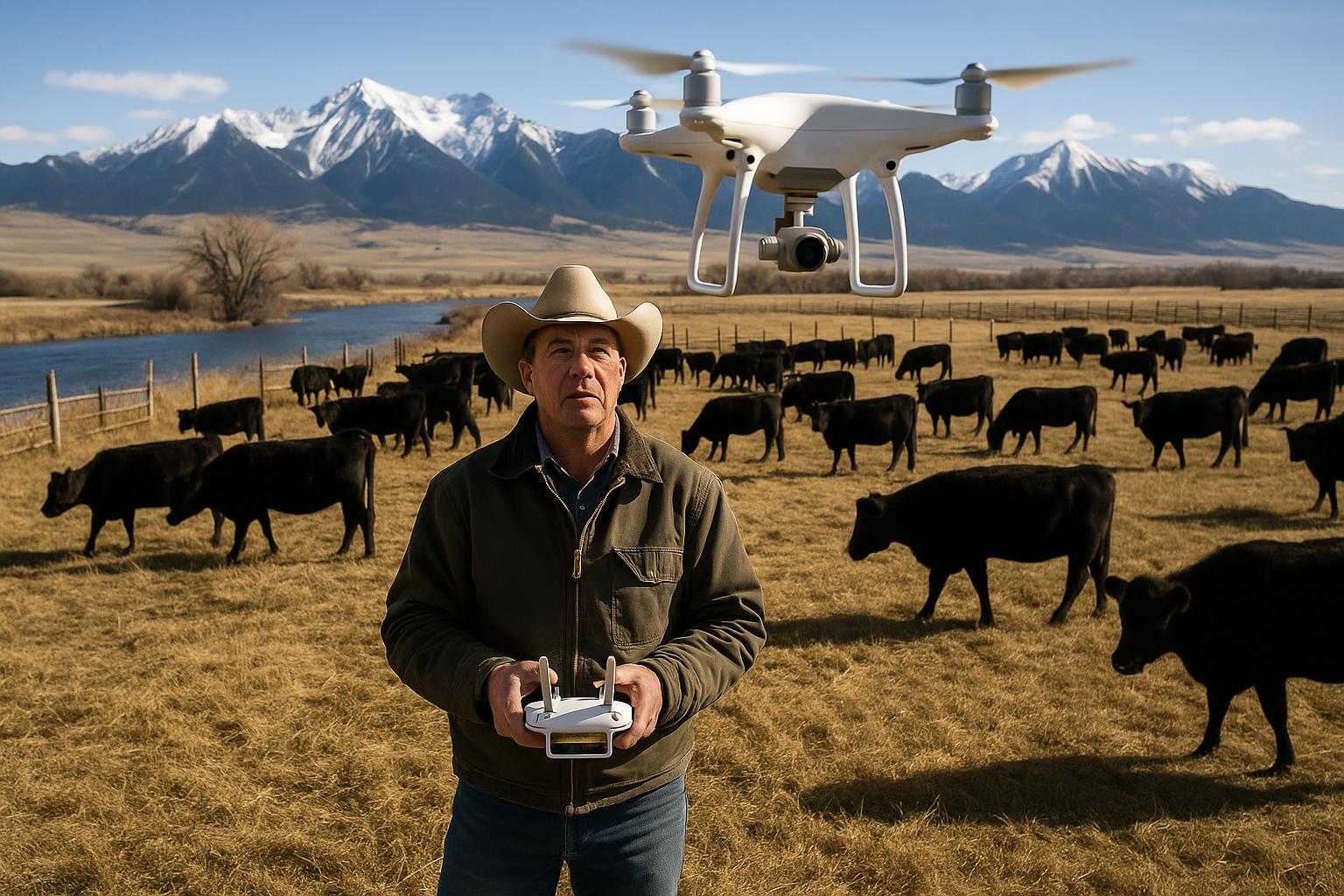
From the Air: How Better Field Imagery Could Help Montana Producers Spot Trouble Early
On a good year in Montana, you can drive a section line and feel like the crop is doing fine—until harvest proves otherwise. On a tough year, you might already know where the wheels are wobbling, but pinning down exactly why can be the hard part. That’s where modern aerial imagery is trying to earn […]
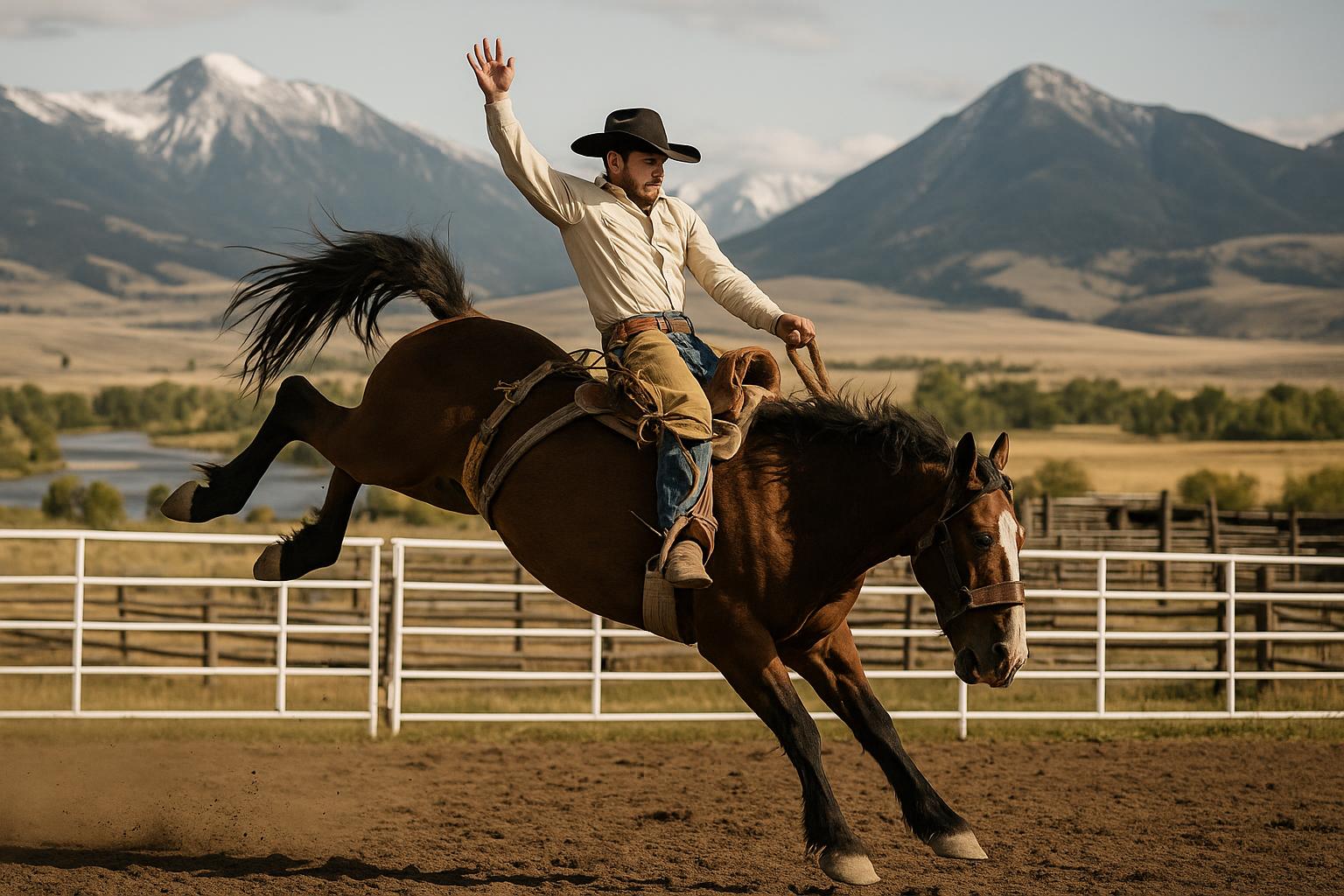
Montana’s Rodeo Radar: What to Watch as Saddle Bronc Season Points Toward the NFR
When the days get long on Montana ranches and the county fairgrounds start filling up, rodeo season feels less like a weekend diversion and more like a traveling scoreboard. In saddle bronc, that scoreboard can swing fast—one big check, one great horse, one clean ride at the right time—and suddenly a rider is in the […]
Montana Producers’ Morning Brief: Grain Prices, Market Signals, and Weather That Moves the Needle
In Montana, a “good plan” can change between breakfast and the first pass with the sprayer. A wind shift can ground a spray rig. A surprise rain can push haying back a week. A rally in wheat can make a call to the elevator worth your time. And a sudden basis change can turn what […]
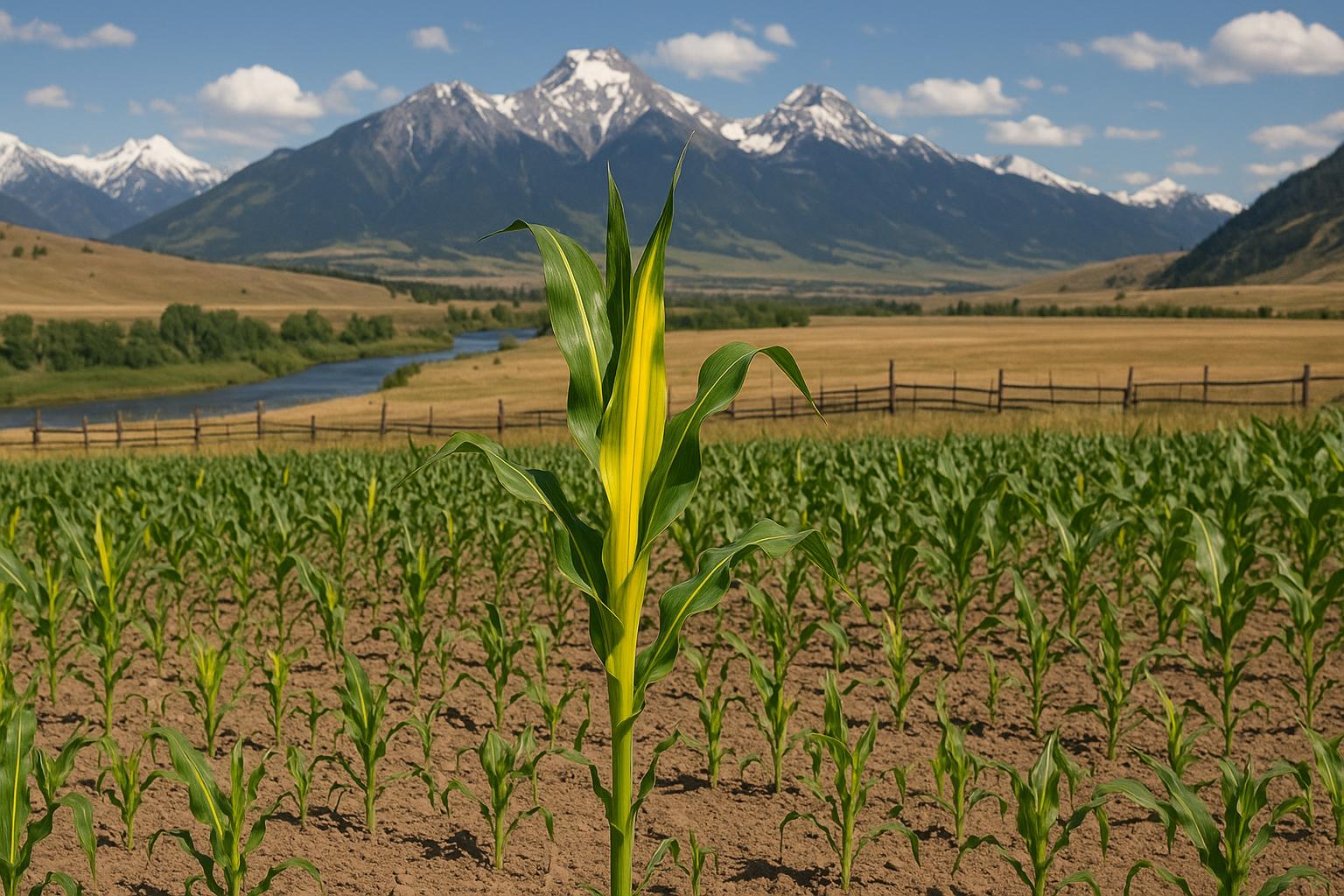
Yellow-Striped Corn in Montana? Here’s Why Sulfur Is on the Short List
When corn starts showing pale, yellow striping across the newest leaves, it can turn a calm drive-by into a stop-and-scout moment. Across the northern plains, reports indicate more growers are noticing striping early in the season, and sulfur (S) is often one of the first nutrients agronomists consider—especially when conditions slow root growth or limit […]
From USDA Reports to Seed Deals: What Today’s Crop Headlines Signal for Montana
Crop news can feel like it’s written for the Corn Belt, but the ripple effects reach Montana fast—through input prices, grain bids, insurance decisions, and even the availability of certain seed traits and chemistries. Whether you’re raising winter wheat on the Hi-Line, irrigating malt barley in the Yellowstone Valley, or trying to time a pulse […]
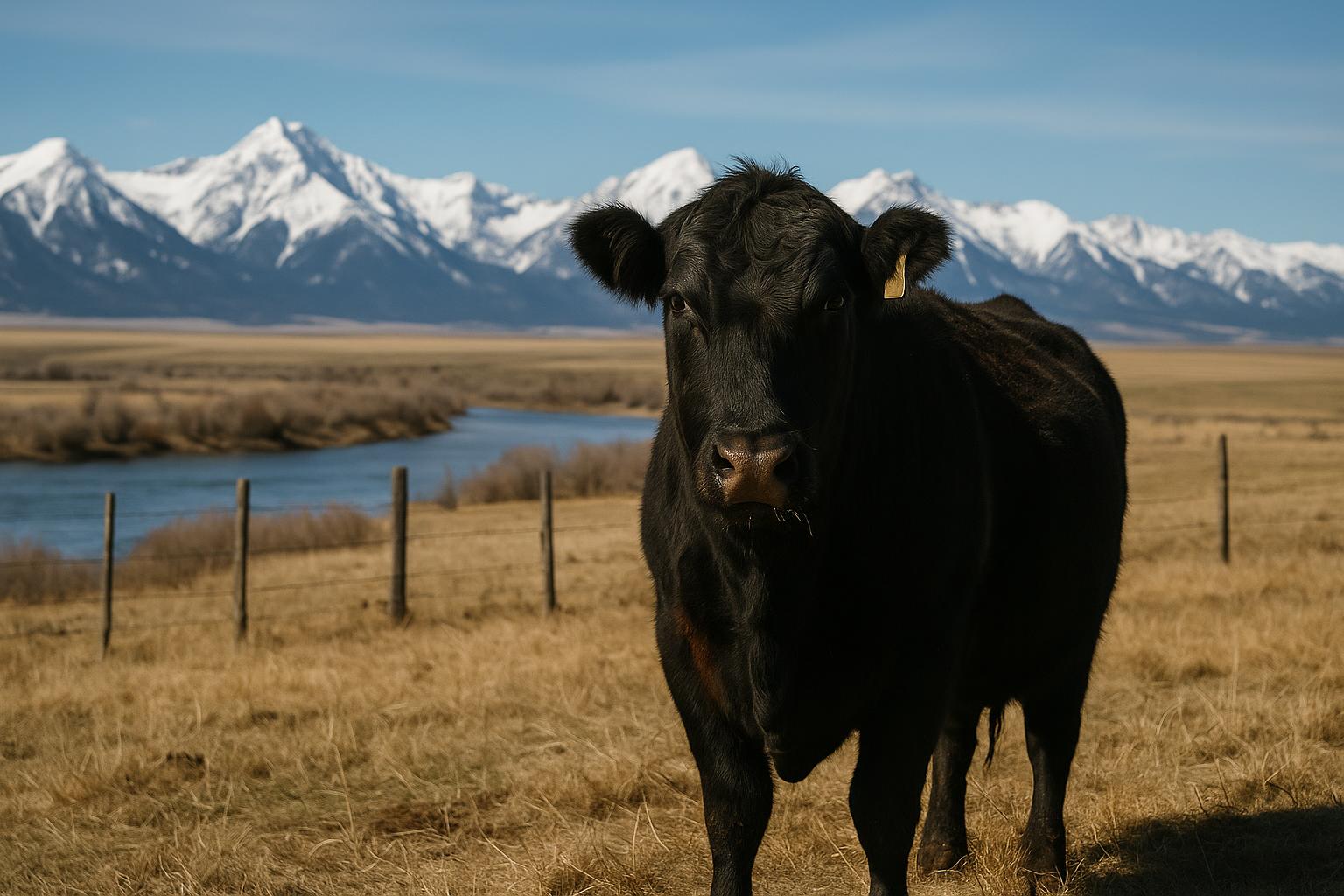
Carbon Credits on the Hi-Line: What Montana Producers Should Know Before Signing Up
Across Montana, conversations about soil health have moved from coffee-shop theory to line-item budgeting. A big driver is the rise of “carbon markets” and climate-related incentive programs that may pay producers for practices that store carbon in soil or reduce greenhouse-gas emissions. Reports indicate interest is growing, but so are questions: What counts? Who verifies […]
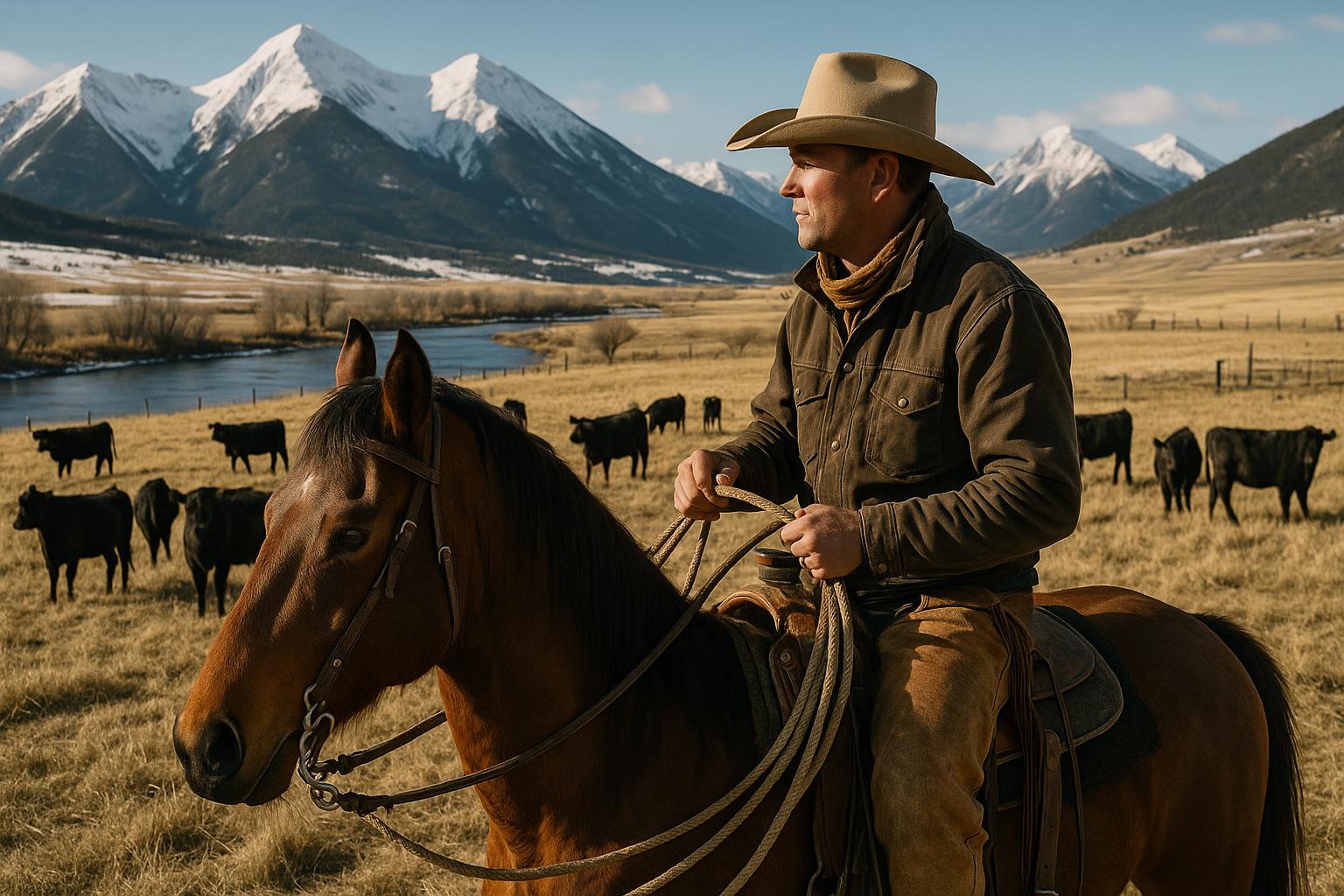
From Montana to Vegas: A Practical NFR Game Plan for Ranch Families and Rodeo Fans
Every December, plenty of Montanans point the pickup south and trade frozen corrals for bright lights. The Wrangler National Finals Rodeo (NFR) in Las Vegas has become more than a rodeo week—it’s a 10-day grind of early mornings, late nights, and a whole lot of walking. Whether you’re going to watch your favorite contestant, shop […]
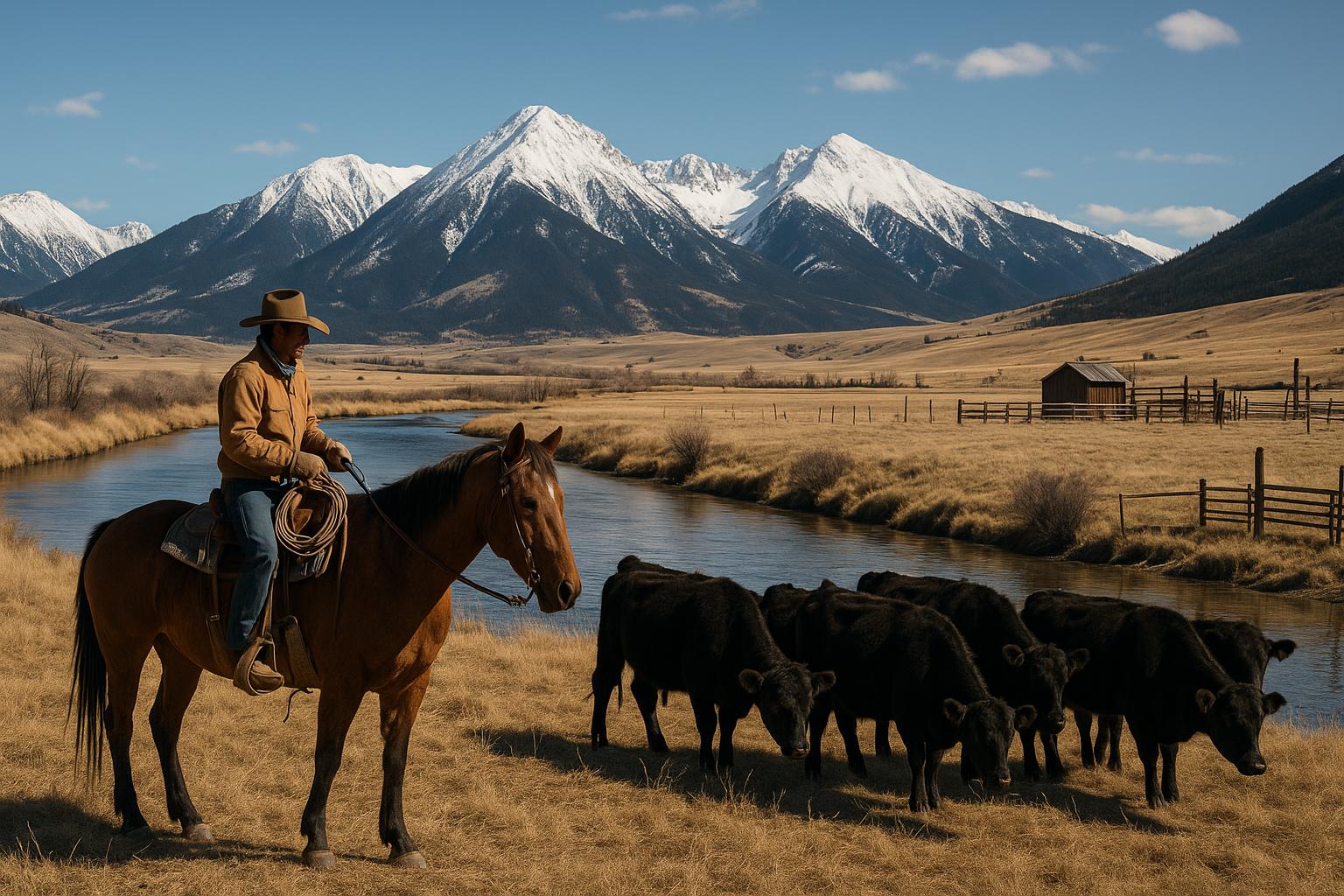
Montana Field Notes: The Week’s Best Ranch-and-River Photos (and How to Share Yours)
Montanans don’t need a studio to tell a good story. It’s right there in the stubble after a long day of cutting, in the steam off a horse at daylight, and in that quick flash of a trout before it slips back under a cutbank. Every week, social feeds fill up with scenes that feel […]
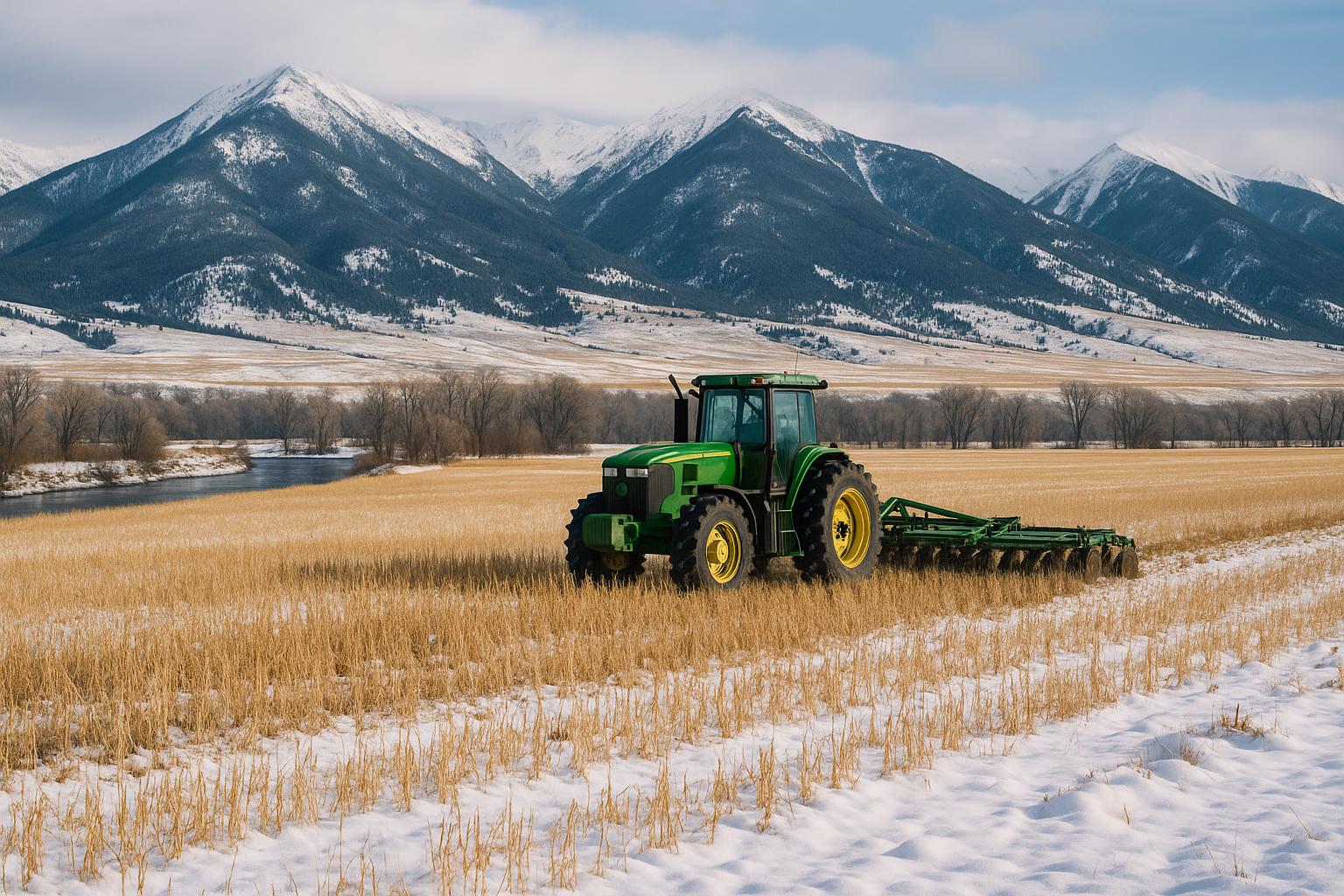
Winter Wheat in Montana: Practical Moves to Protect Yield and Profit
Across Montana, winter wheat is often the crop that bridges seasons—seeded into late-summer dust or fall moisture, then asked to survive wind, cold snaps, and spring swings that can go from blizzard to bare ground in a week. The payoff can be strong, but the margin is made (or lost) in small decisions: seed placement, […]
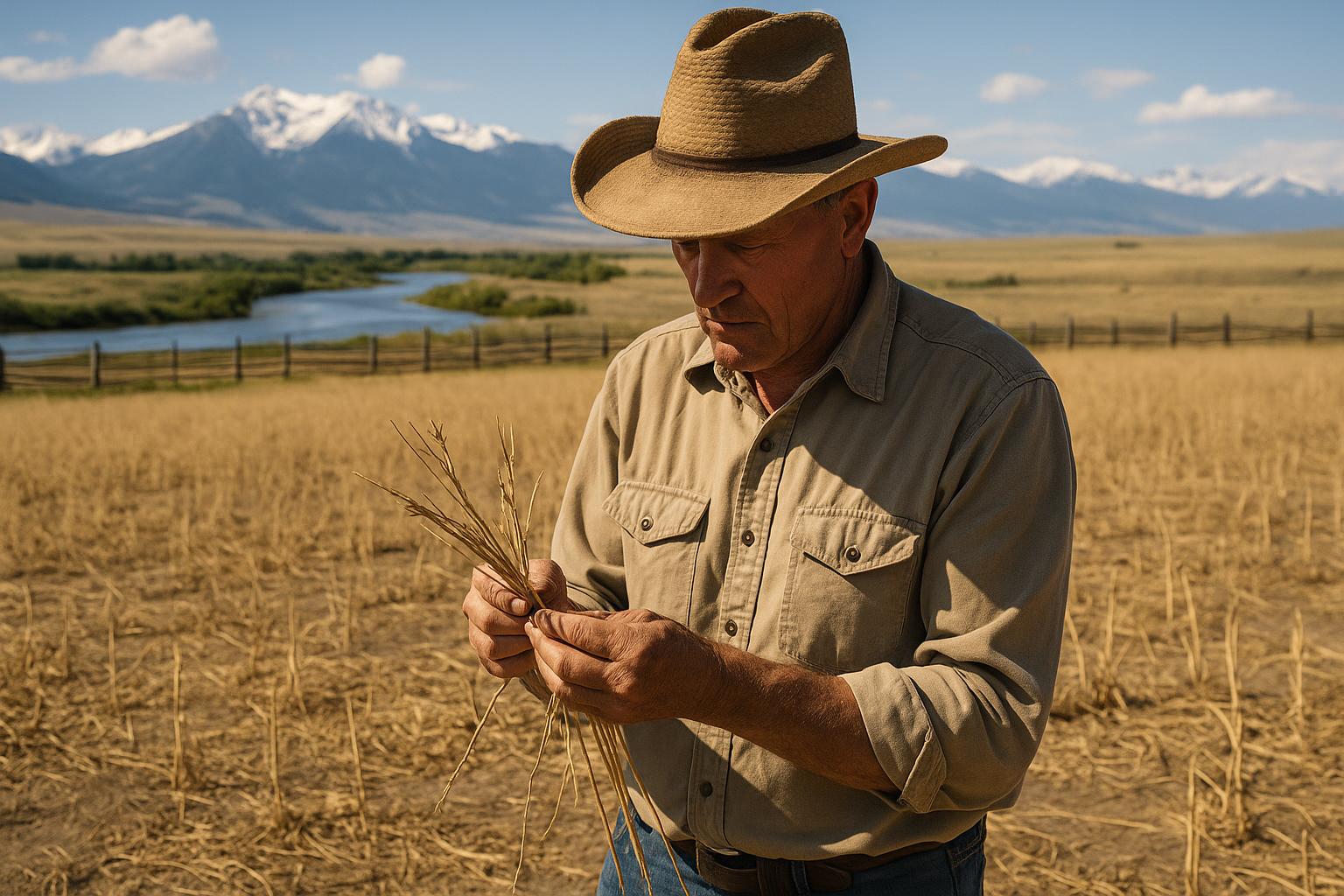
After Drought and Hail: Practical Next Steps for Montana Fields and Feed
Across Montana, it doesn’t take much of a weather swing to turn a promising crop into a tough decision. A few weeks without meaningful moisture can stall growth, and one fast-moving hail cell can shred leaves, bruise stems, and knock heads to the ground. When both show up in the same season, the questions come […]
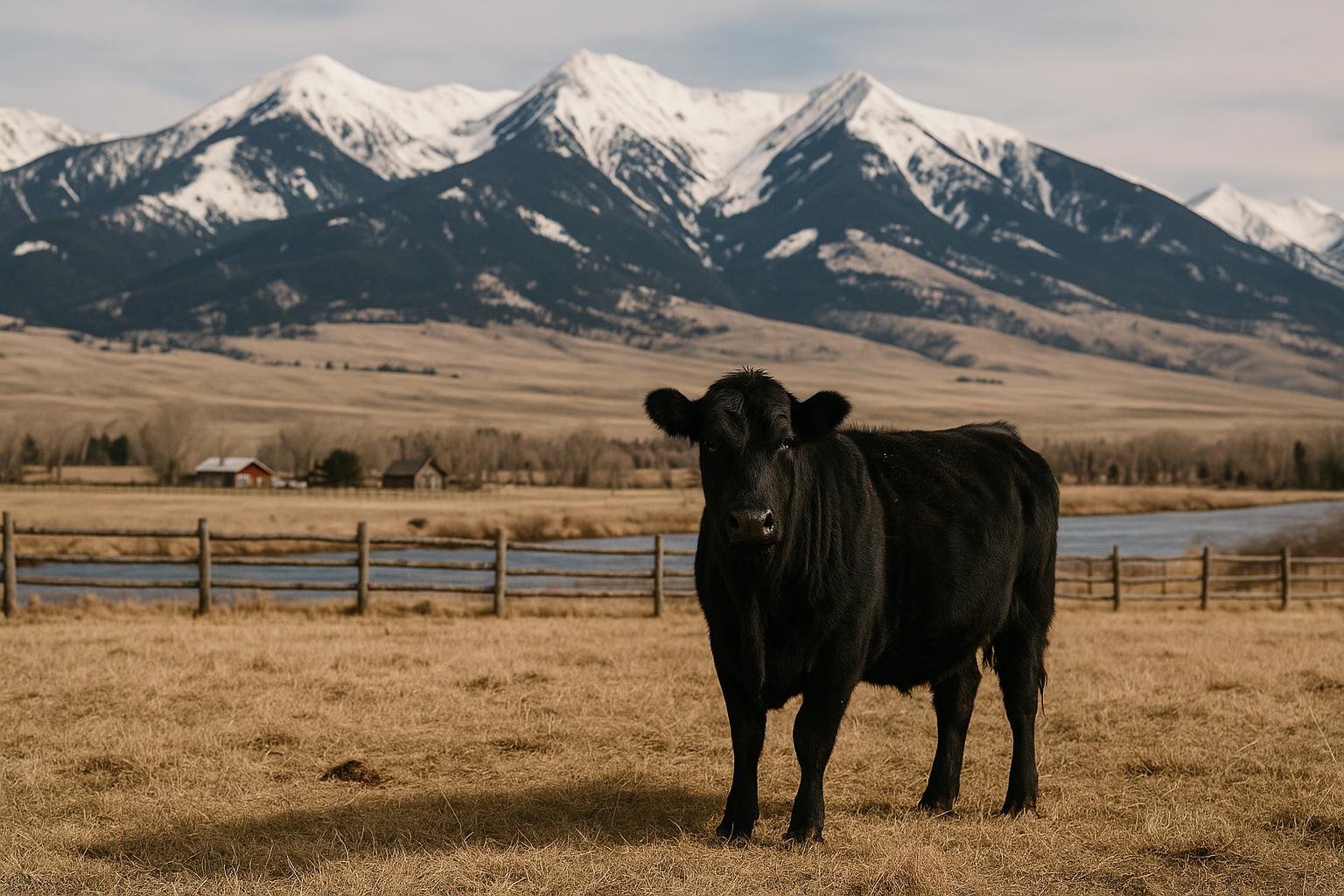
Montana Livestock Watch: Disease Risk, Trade Shifts, and Consolidation Pressures
From the Hi-Line to the Tongue River breaks, Montana livestock producers are balancing the usual calendar—calving, turnout, hay planning—with a news cycle that can move markets fast. Disease detections in other regions, shifting export demand, and continued consolidation in meatpacking and animal health services all have the potential to ripple back to local sale barns […]
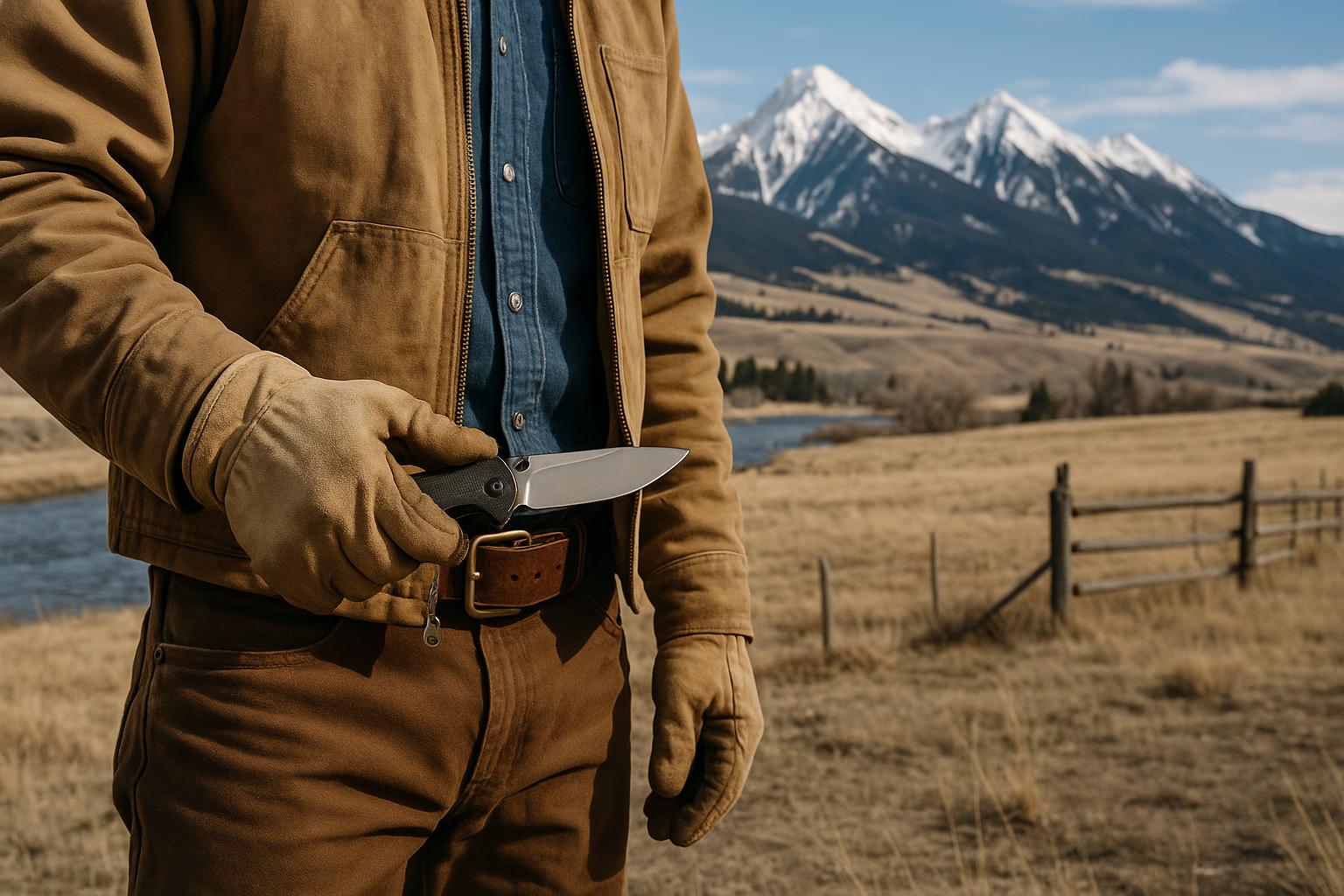
An EDC Knife That Works as Hard as You Do: What to Look for in Montana
In Montana, a good everyday-carry (EDC) knife isn’t a fashion accessory — it’s a small tool that ends up doing a lot of unglamorous work. One minute it’s cutting twine off a bale, the next it’s opening mineral bags, trimming a stubborn tag off a calf jacket, slicing apples for the kids, or cleaning a […]
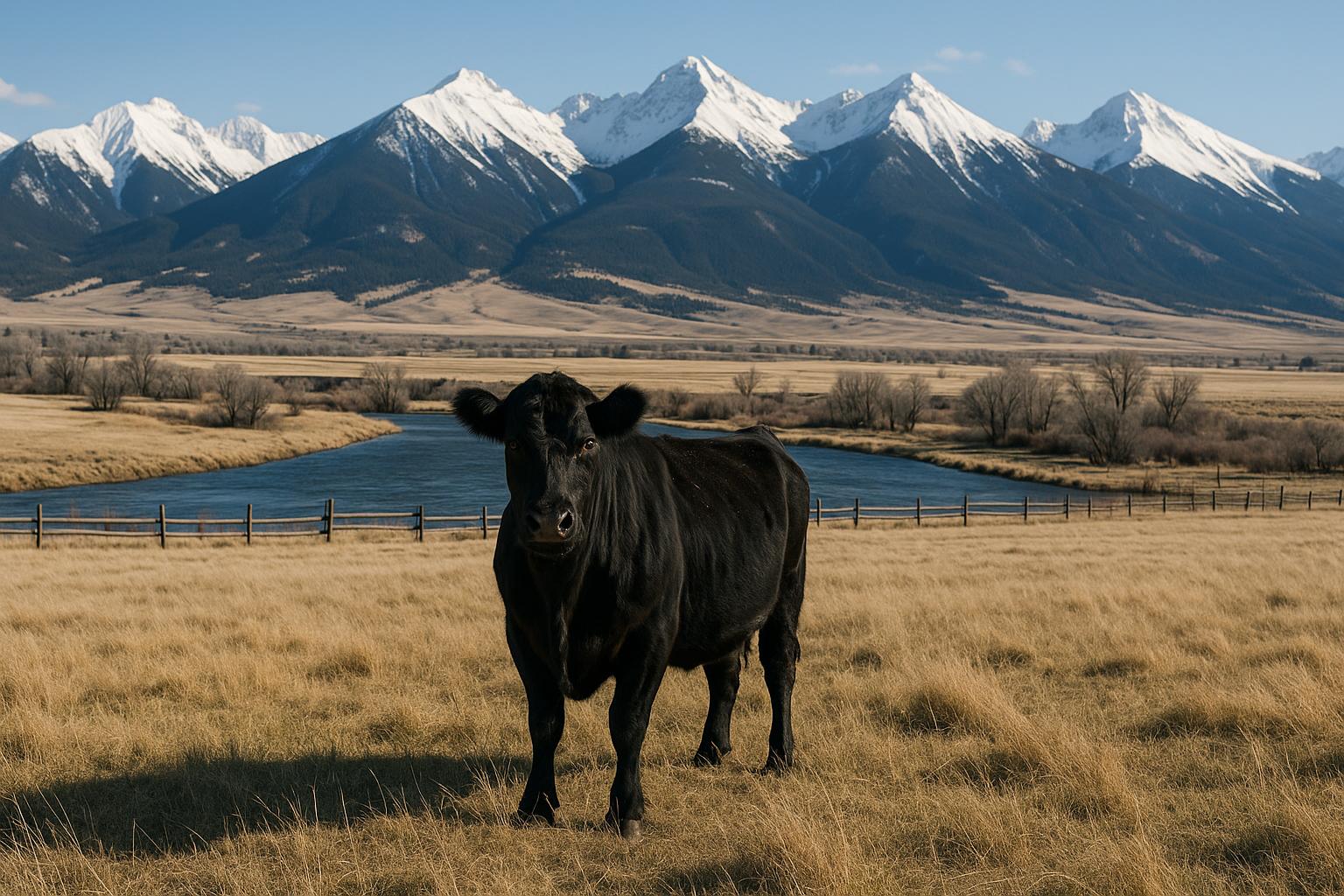
U.S. Beef Eyes Brazil Again: What a Reopened Market Could Mean for Montana Ranch Country
For Montana cattle producers, export news can feel far away — until it isn’t. Reports indicate the United States is poised to regain access for U.S. beef and beef products into Brazil, a market that has largely been off-limits for more than a decade. The change follows an agreement between the U.S. Department of Agriculture […]
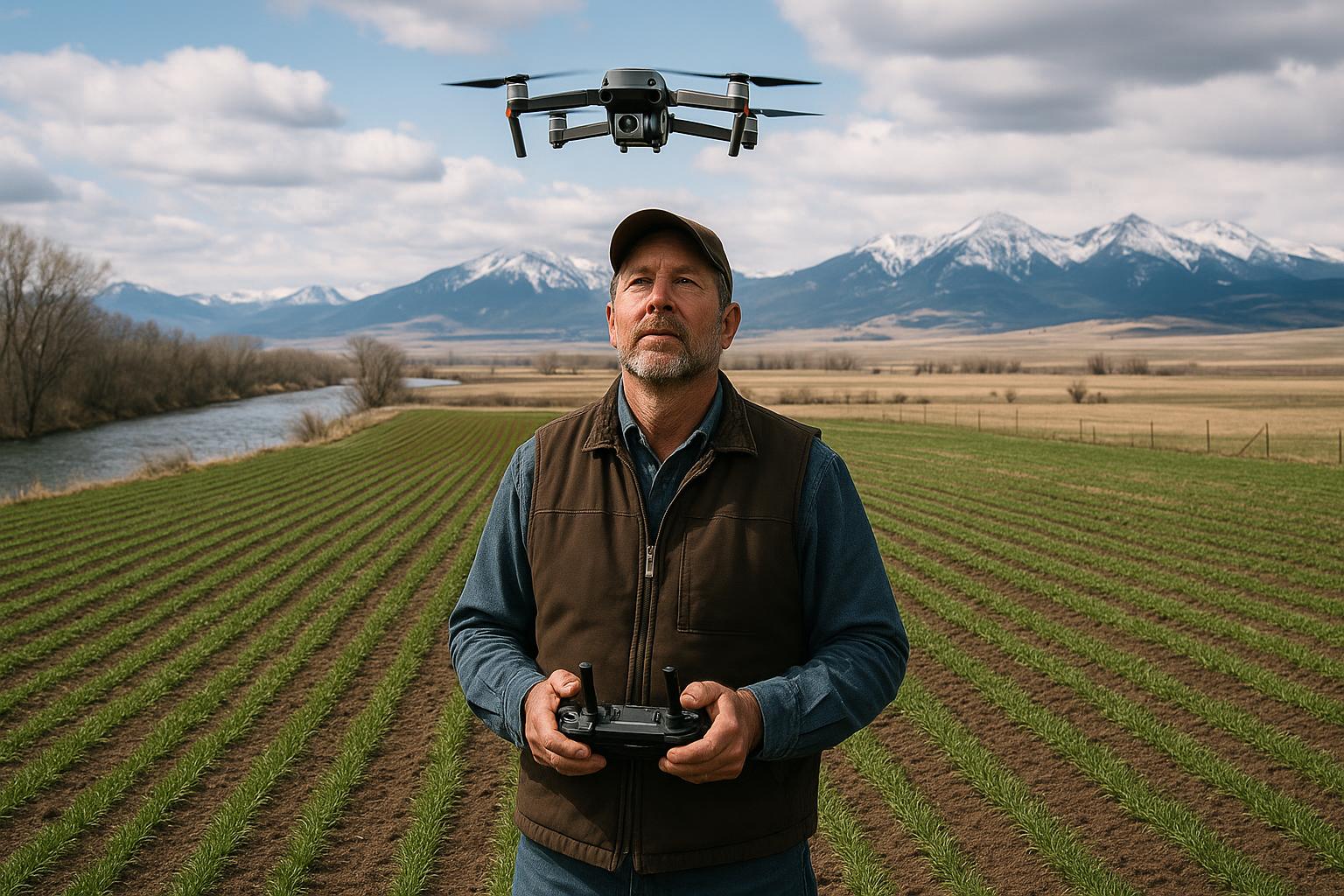
Eyes in the Sky: How Better Aerial Imagery Can Help Montana Growers Spot Trouble Early
On a Montana farm, you can do a lot with a pickup, a shovel, and a good set of boots. But when you’re covering thousands of acres—or trying to keep a close eye on a few hundred under tight labor and time constraints—there’s a point where walking every corner just isn’t realistic. That’s where aerial […]
Carbon Credits on Big Sky Ground: What Montana Producers Should Know Before Signing Up
Carbon markets have moved from buzzword to real mail-in-the-box for some producers. The pitch is straightforward: adopt certain practices that can reduce greenhouse gas emissions or store more carbon in soils, document what you did, and receive a payment tied to verified “credits.” For Montana, where margins can be thin and weather can swing hard, […]
Montana Livestock Watch: Disease Updates, Market Signals, and What Ranchers Should Track
From the Hi-Line to the Yellowstone Valley, Montana ranchers are used to managing risk—weather swings, feed costs, and fickle markets. Lately, the conversation around the sale barn coffee counter has included more questions about animal health advisories, shifting export demand, and the steady drumbeat of mergers and acquisitions across the meat and animal health sectors. […]
Montana Field Notes: A Week of Working-Land Photos Worth Sharing
Montana’s working lands don’t always announce themselves with a headline. Most days, the story is quieter: a windrow drying just right, a stock tank holding through the heat, a set of tire tracks that says somebody was up before daylight. And increasingly, those moments are getting documented—carefully, creatively, and often beautifully—by the people living them. […]
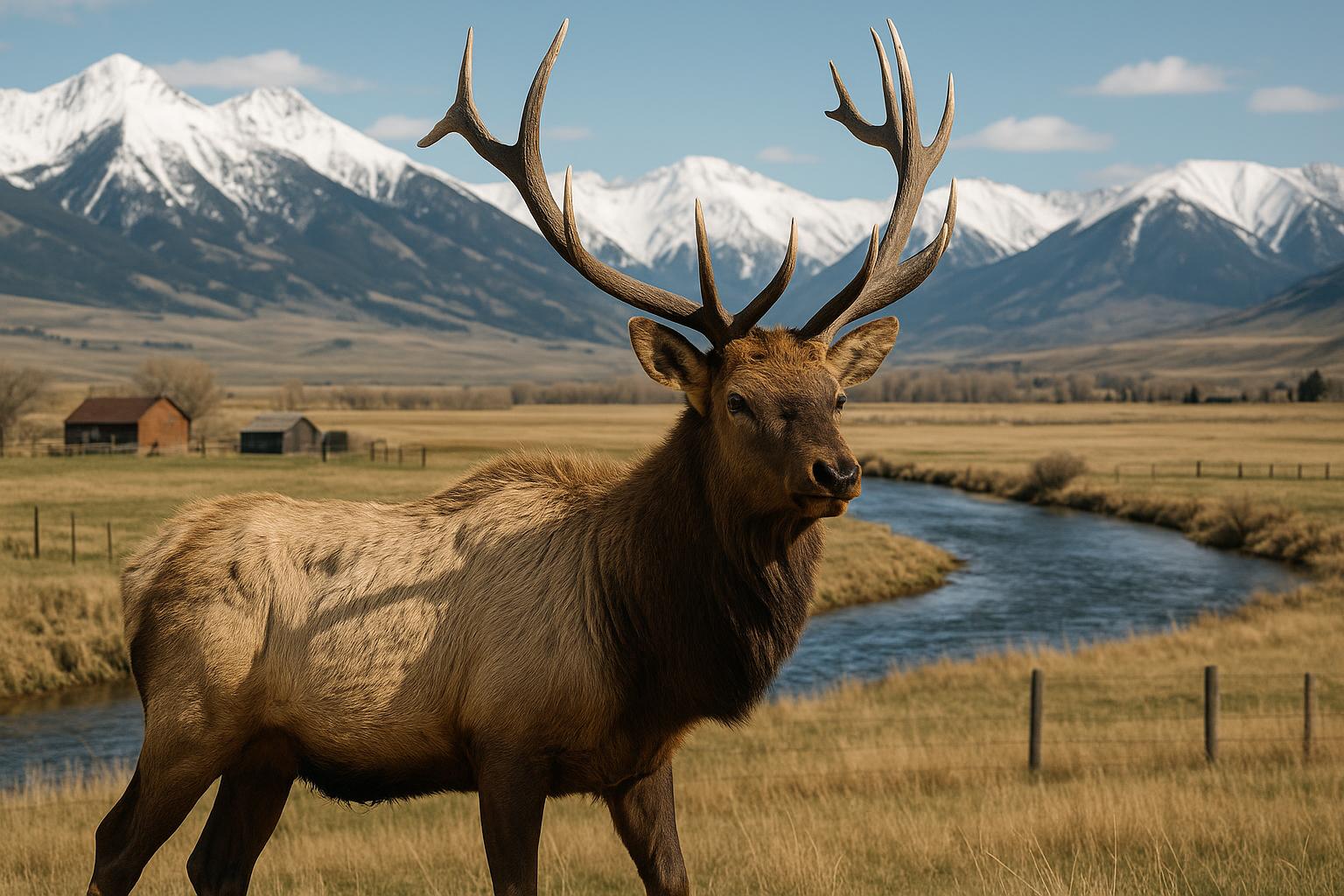
From USDA Reports to Seed Deals: The Crop News Montana Producers Watch Closely
Montana growers don’t need a Wall Street terminal to feel the ripple effects of national crop news. A few pages in a USDA report, a shift in weekly crop progress ratings, or a headline about a seed-and-chemical merger can change how lenders view risk, how elevators manage basis, and what you pay for inputs next […]
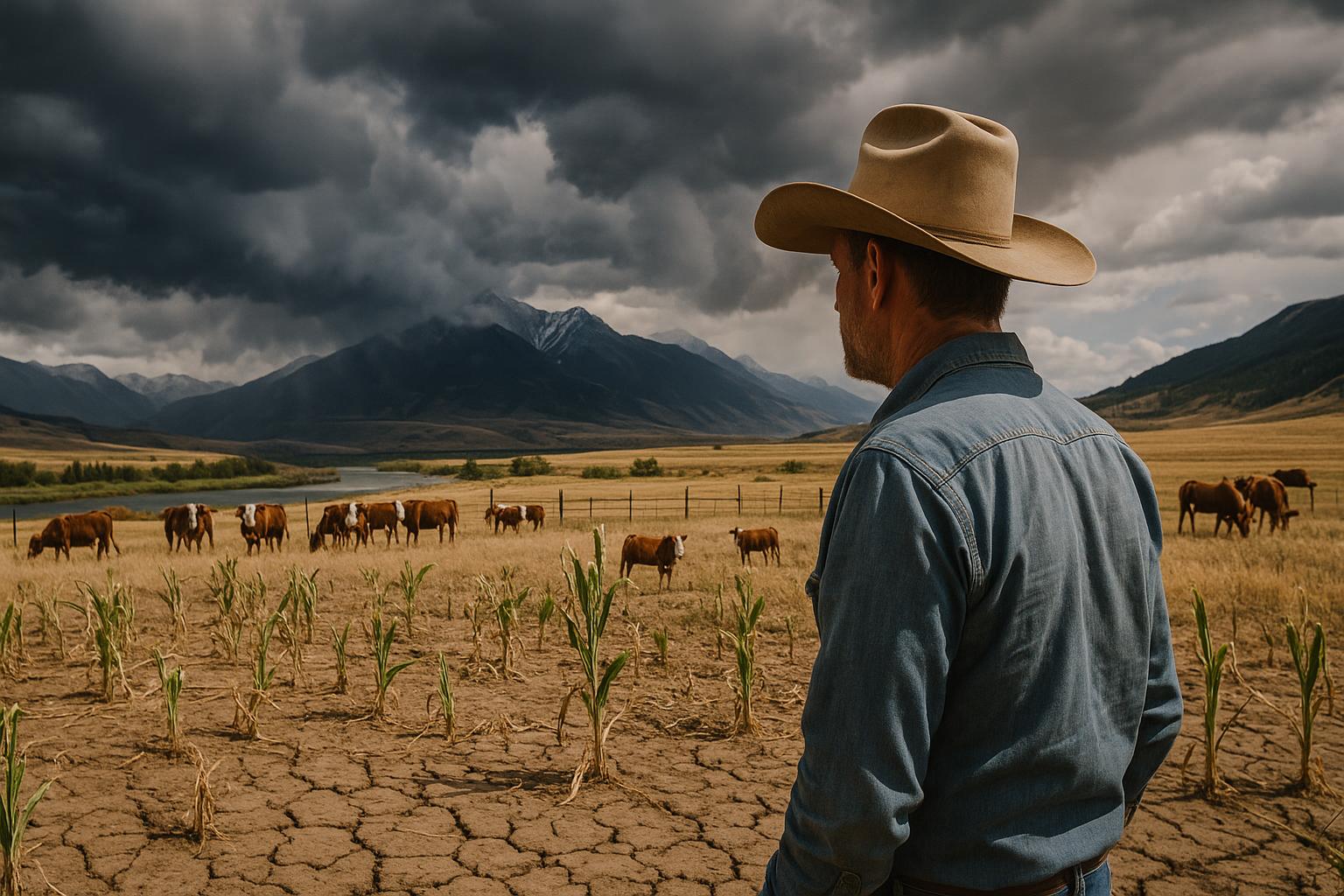
After Drought and Hail: Practical Next Steps for Montana Crops and Cattle Feed
Across Montana, it doesn’t take long for a season to turn. One week you’re watching clouds slide past the Judith Basin with nothing to show for it; the next, a fast-moving storm can shred a barley field or lodge wheat flat enough to make harvest decisions feel like guesswork. Reports from across the Northern Plains […]
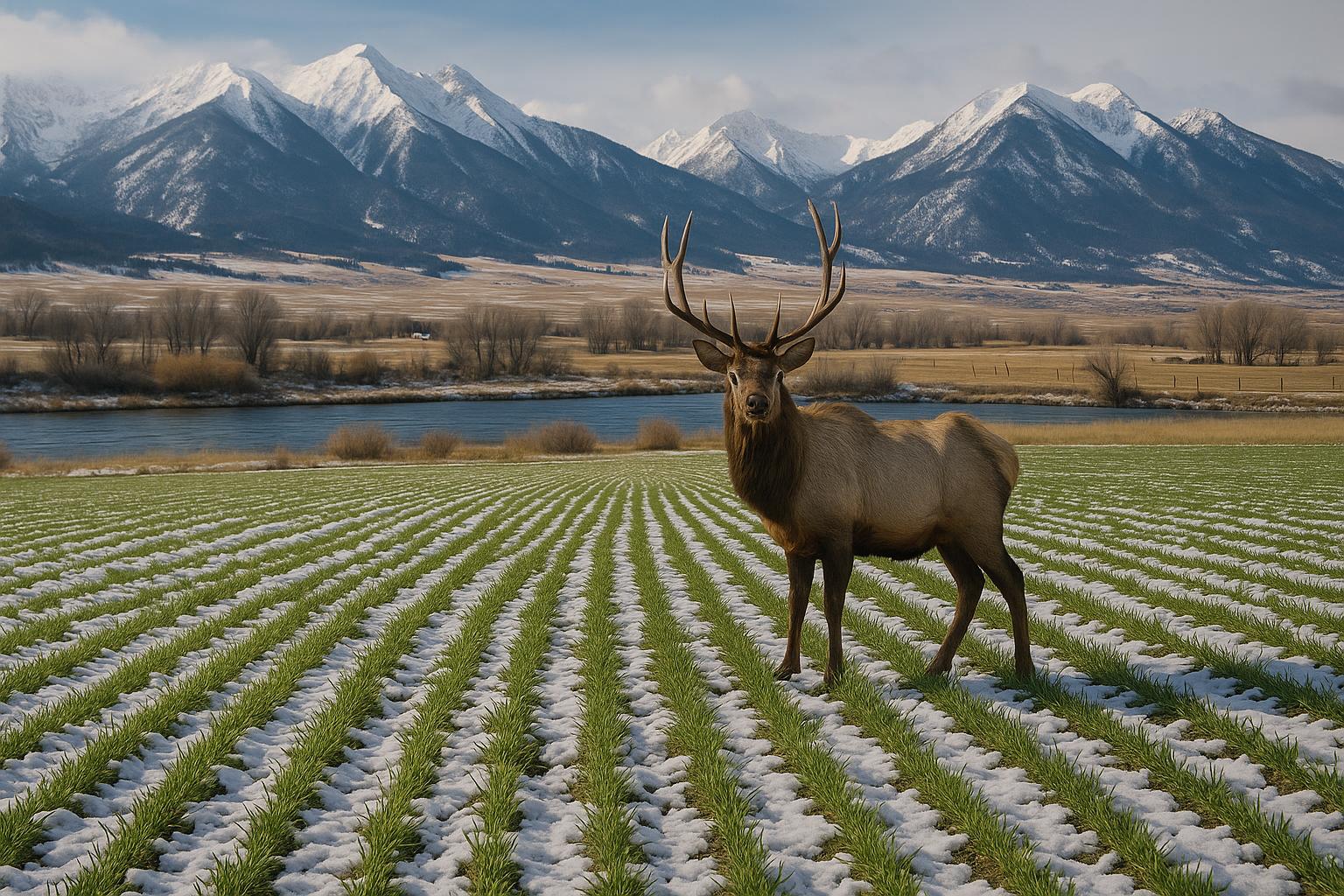
Winter Wheat in Montana: Practical Moves to Protect Yield and Profit
Across Montana’s Golden Triangle, Judith Basin, and the Hi-Line, winter wheat remains a cornerstone crop—often the one that helps spread workload, capture early moisture, and keep equipment moving when spring turns busy. But winter wheat is also a crop where small management decisions can stack up fast, for better or worse. A tough fall, open […]
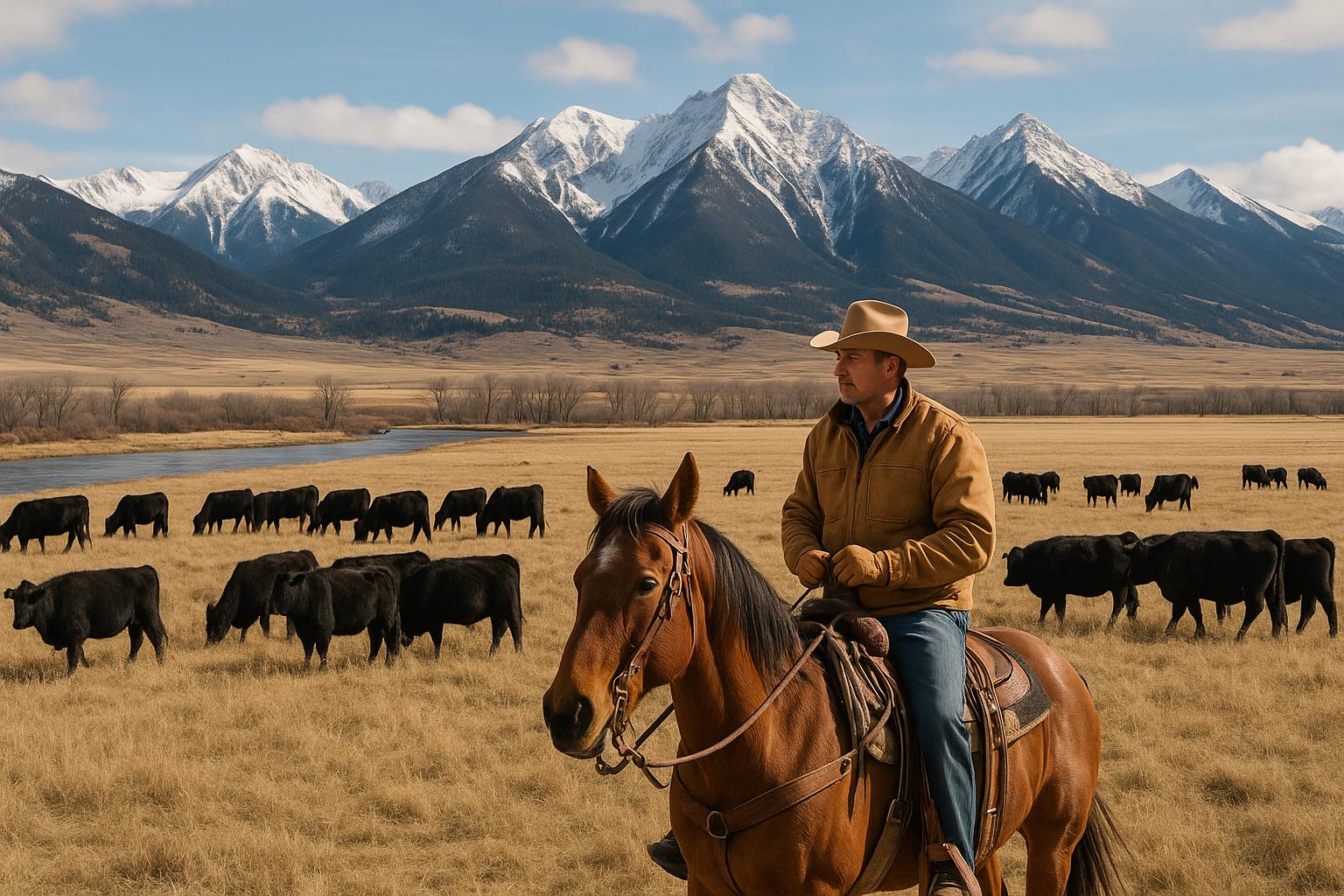
Big Acres, Real Dollars: Where Montana Fits in U.S. Farm and Ranch Rankings
Montanans don’t need an infographic to know we’re a big-land state. You can drive for hours across wheat country, skirt irrigated valleys, then hit open rangeland that seems to run clear to the horizon. But when you stack states side-by-side, two different pictures emerge: one about how much land is in farms and ranches, and […]
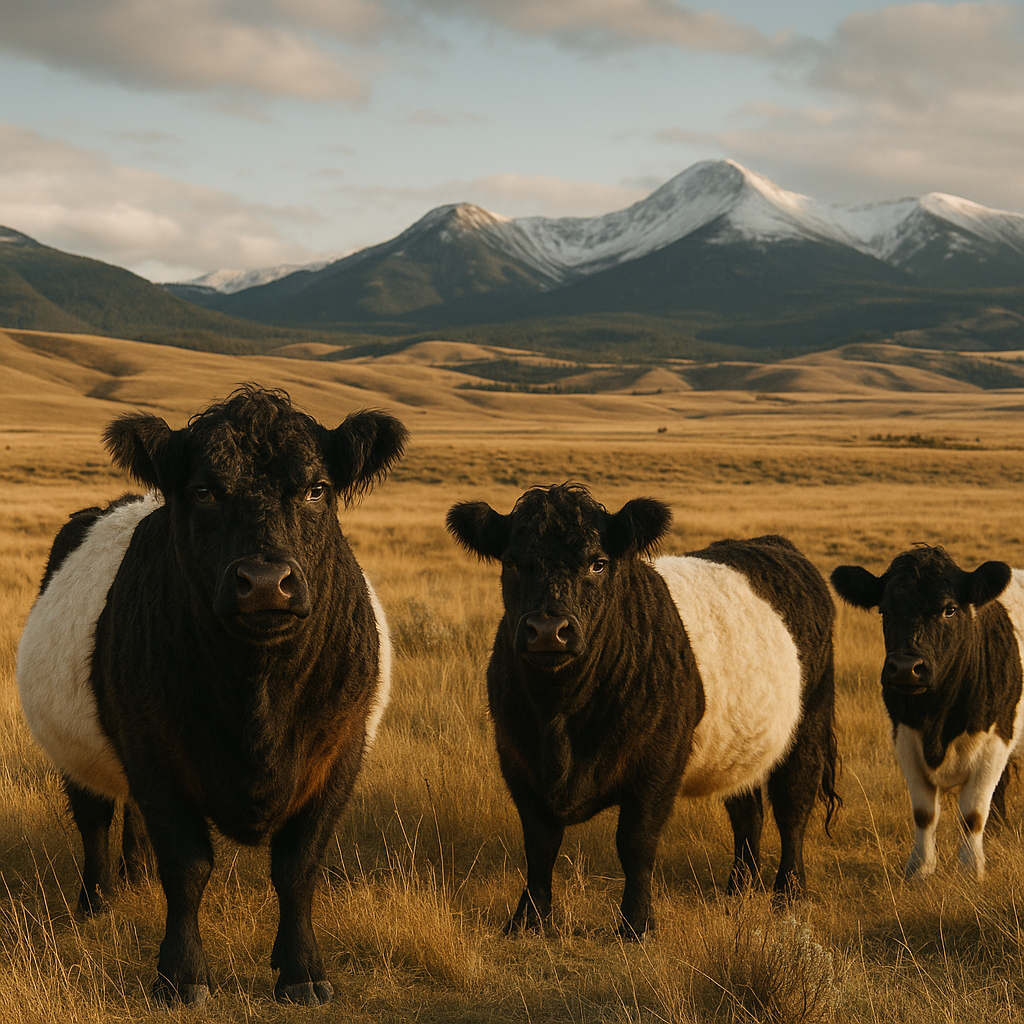
The Calving Countdown: Montana Ranches Set Up for the Long Wait
On many Montana outfits, the calendar can say “calving starts next week,” but the ranch already feels like it’s in motion. The days leading up to the first calves are often a strange in-between: too close to the action to leave for long, but not yet busy enough to call it full-blown calving. It’s the […]
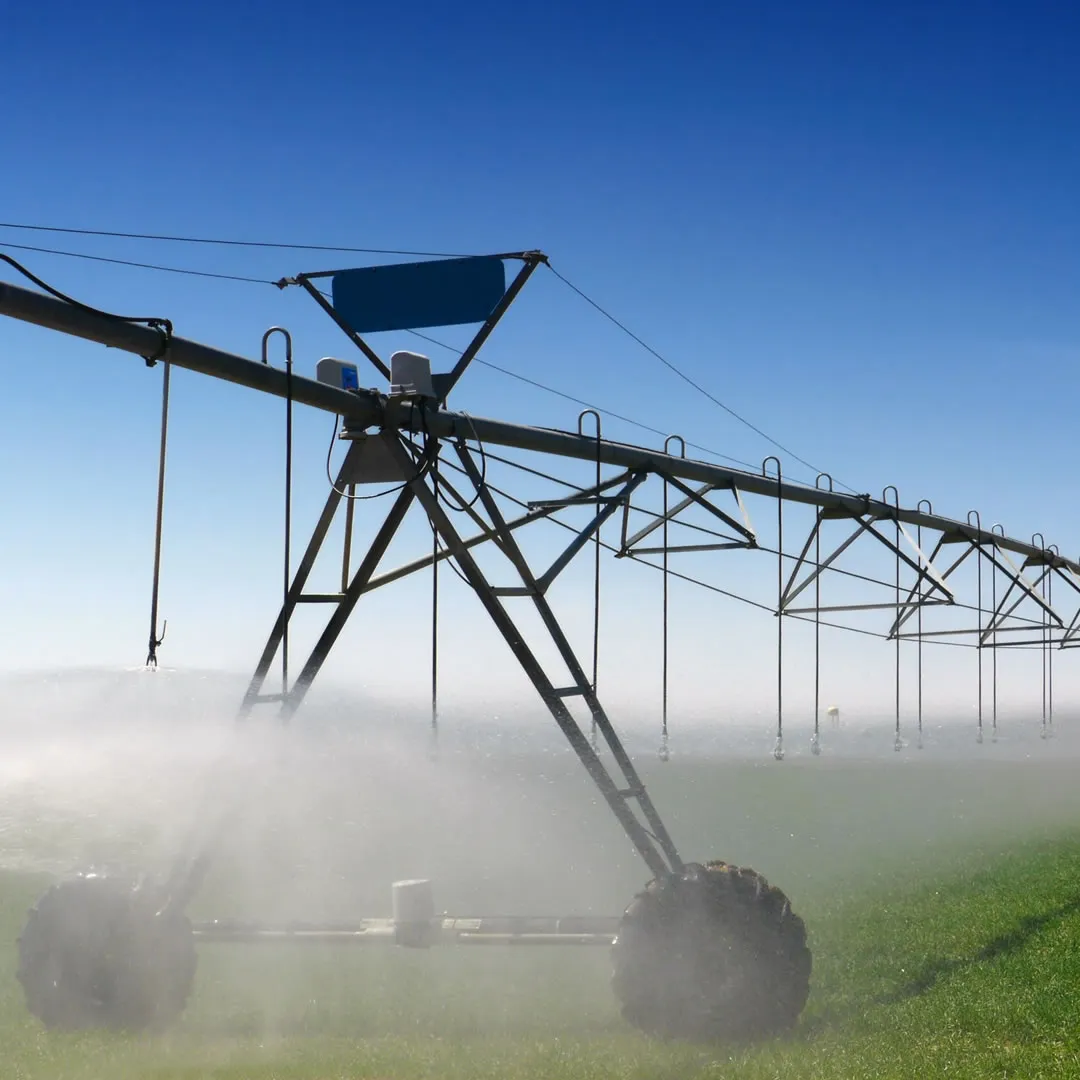
New end-of-pivot sprinkler options aim to stretch water farther on Montana fields
In a state where a hot wind can pull moisture off a field in a hurry, small improvements in irrigation hardware can matter. Reports indicate Nelson Irrigation has rolled out new center-pivot sprinkler models designed specifically for the tail end of pivot systems—where pressure changes, speed differences, and edge coverage often make performance harder to […]
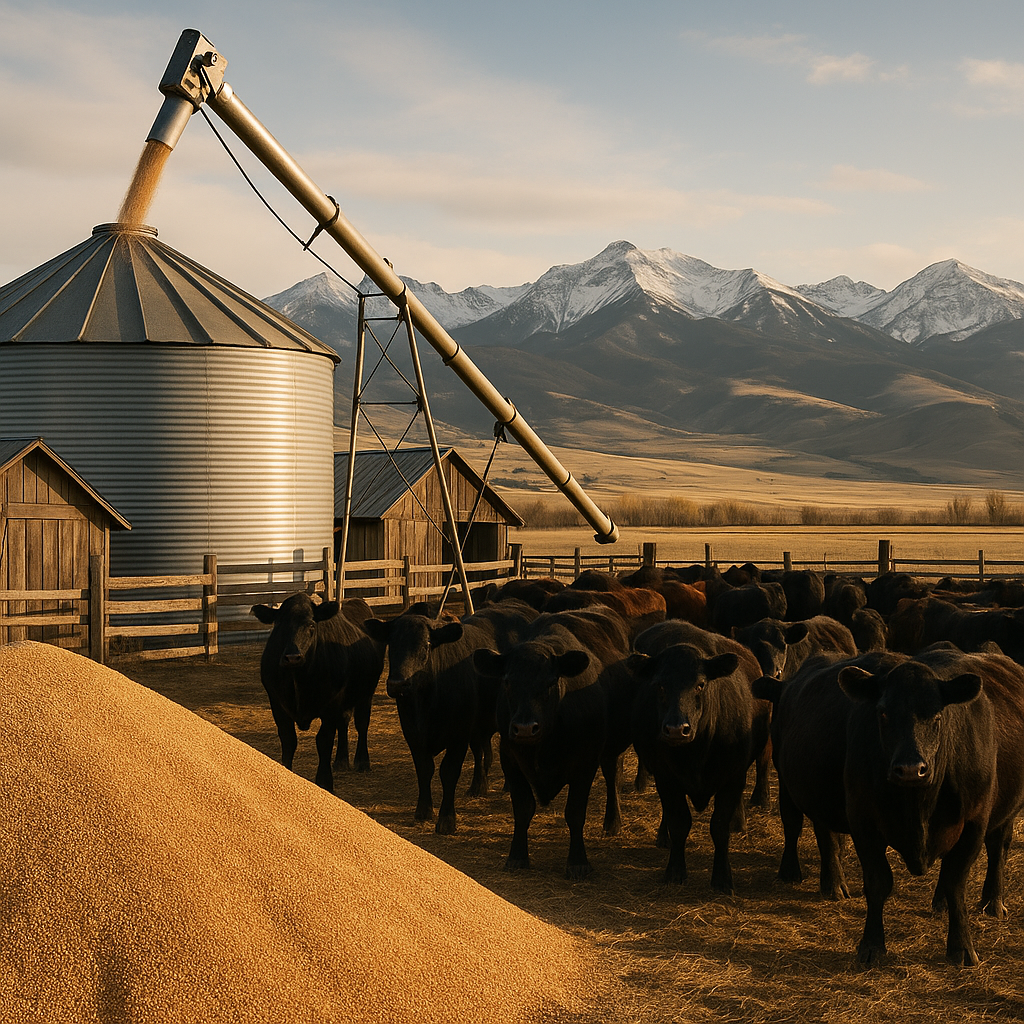
A Billings Couple Builds a Business Around Livestock Trailers—and Montana Miles
BILLINGS — In a state where a “quick” run to town can mean 60 miles one way, dependable livestock hauling gear isn’t a luxury. It’s a working necessity. Reports indicate a Billings husband-and-wife team has built their operation around that reality, running a dealership that serves ranchers and stockmen across Montana and northern Wyoming with […]
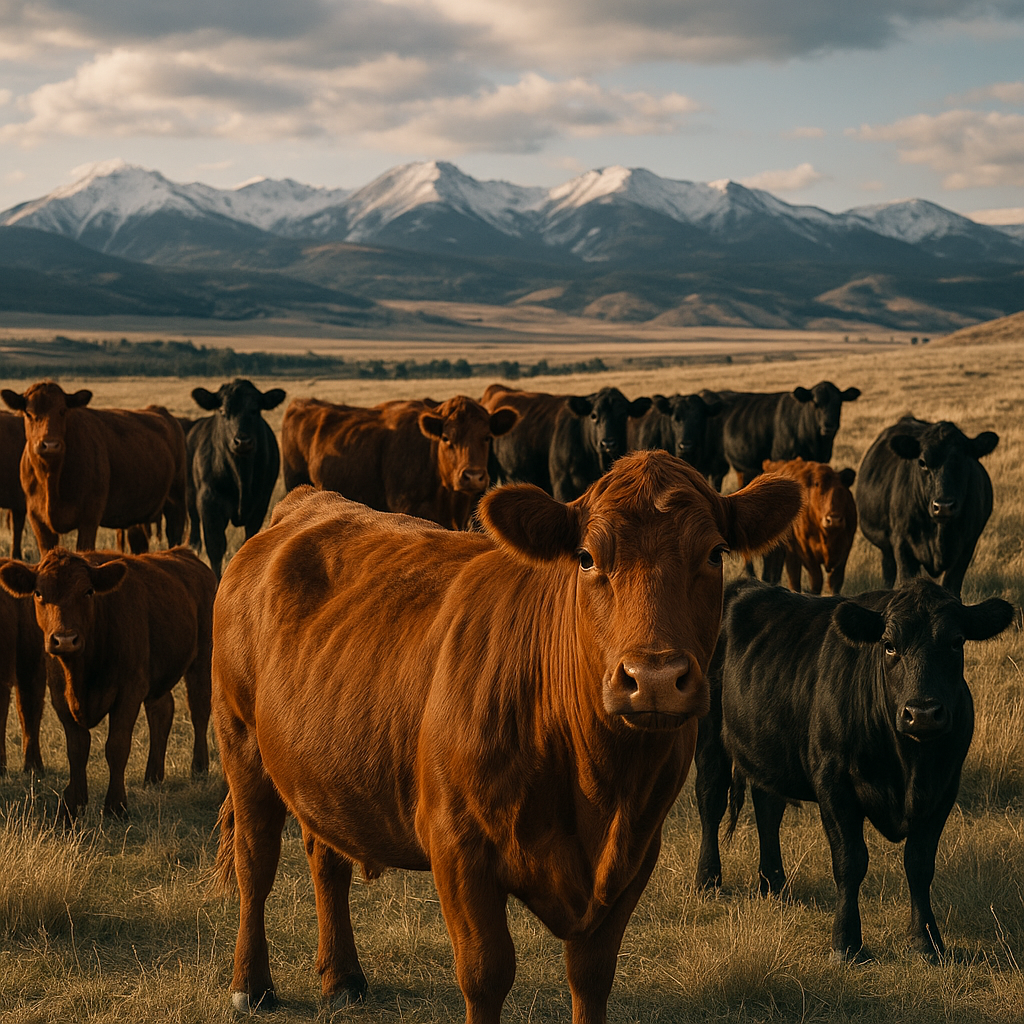
U.S. Beef Eyes Brazil Again: What a New Trade Opening Could Mean for Montana Ranchers
For Montana’s cattle country, global markets can feel distant—until they aren’t. Reports indicate U.S. beef and beef products may soon regain access to Brazil, a market that has largely been off-limits to U.S. exporters for more than a decade amid animal health and regulatory concerns. If finalized and implemented as described, the move would mark […]
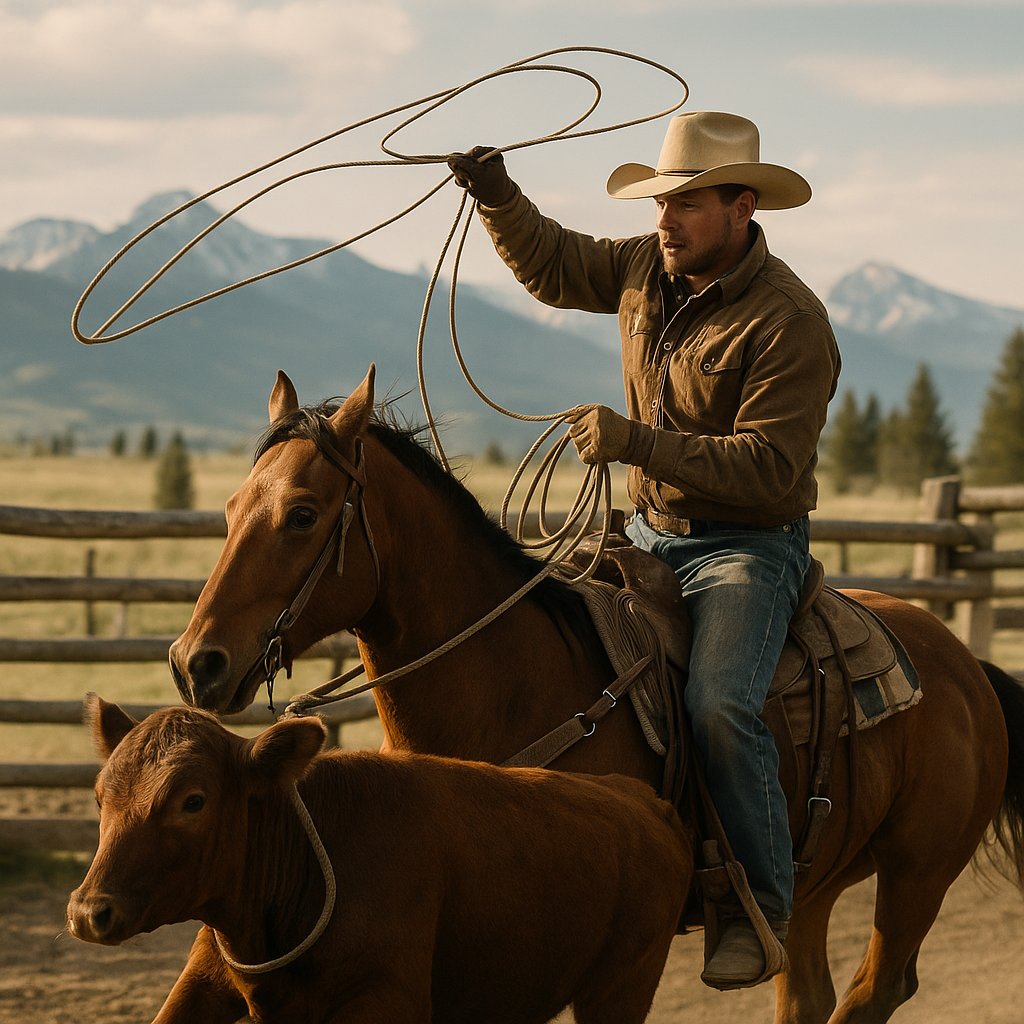
Ranch Roping Clinics Gain Ground in Montana: Practical Skills, Safer Stock Work
From branding pens to big outdoor arenas, Montana riders are showing up in growing numbers for ranch roping and team roping clinics. The draw isn’t just competition—it’s practical, ranch-ready skills: handling cattle efficiently, reading a cow, staying safe in tight quarters, and getting a horse confident around livestock. Quick takeaways Clinics can speed up the […]
Before You Head Out: Where to Check Montana Closures, Restrictions, and Public Notices
Whether you’re chasing roosters on the Hi-Line, floating a spring creek, or checking cows along a river bottom, the fastest way to ruin a good day is to roll up on a closed access point or miss a new restriction. In Montana, conditions can change quickly: fire activity, low water, construction, wildlife conflicts, and seasonal […]
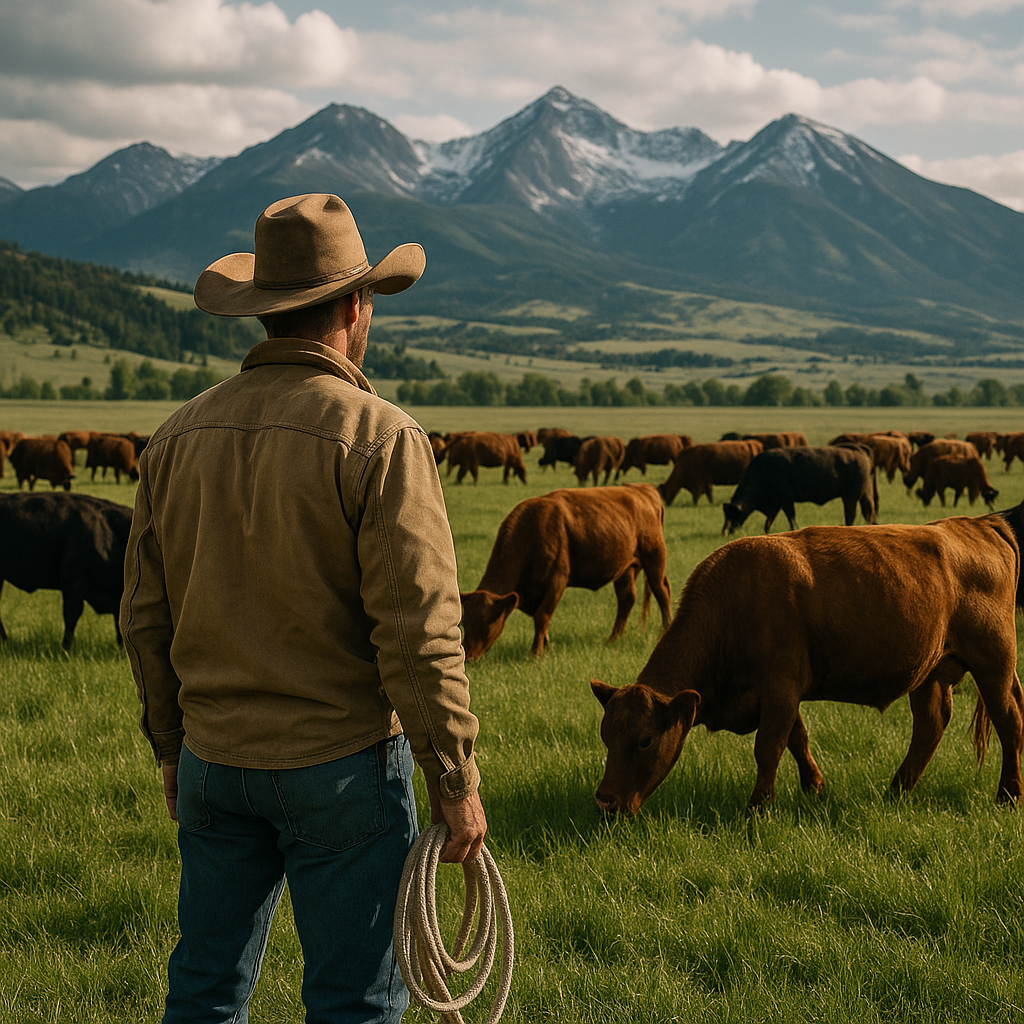
New federal dollars could boost regenerative grazing on Montana ranches
Regenerative agriculture has been a buzzword in Montana coffee shops and sale barns for years, but the practical question on most outfits is simpler: Who’s going to help pay for the trial runs? Reports indicate a new federal program is coming online to fund regenerative agriculture work, which could include projects tied to soil health, […]
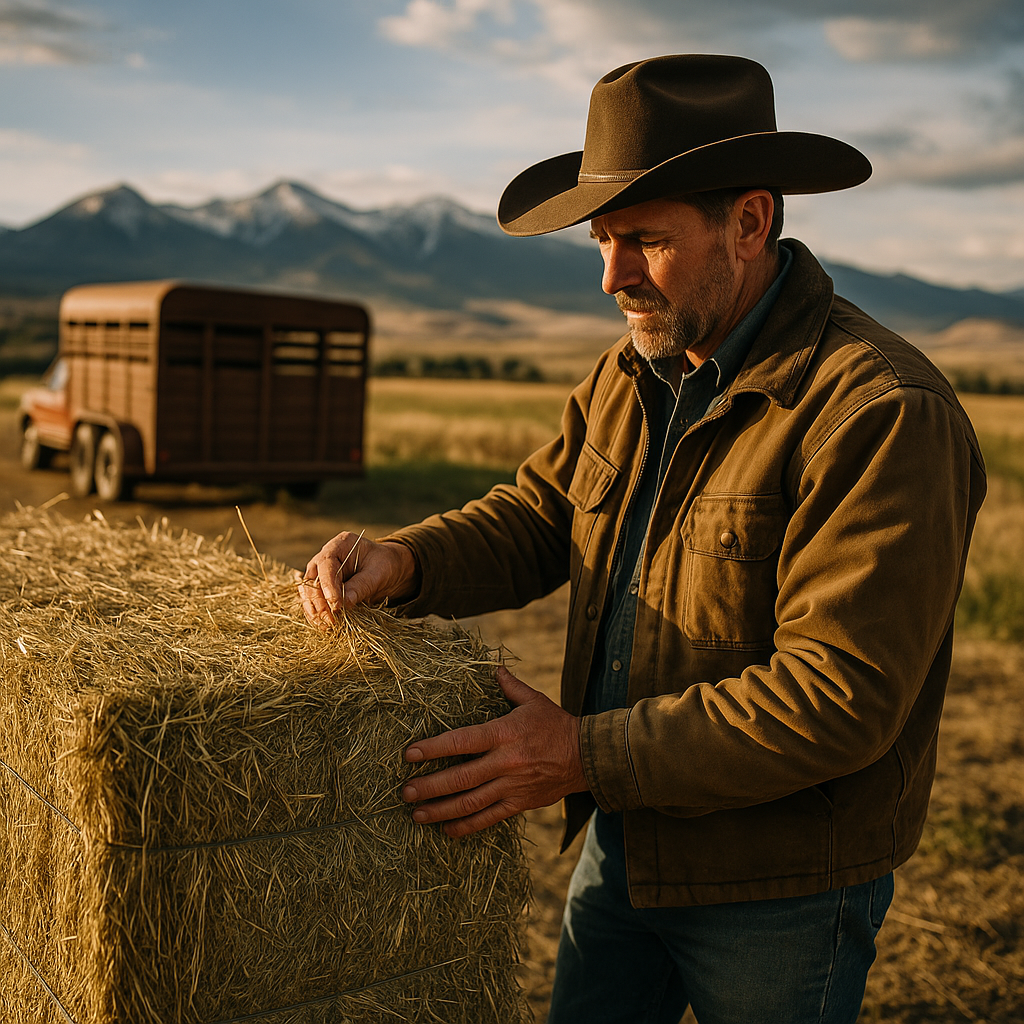
Montana Hay and Grain: What’s Driving Prices, and How Ranchers Can Plan Ahead
Across Montana, hay stacks and grain bins are more than winter security—they’re a line item that can make or break a year. Over the past several seasons, producers have watched feed costs jump around with drought, fuel and freight, and shifting demand from livestock and export markets. Reports from around the state indicate the volatility […]
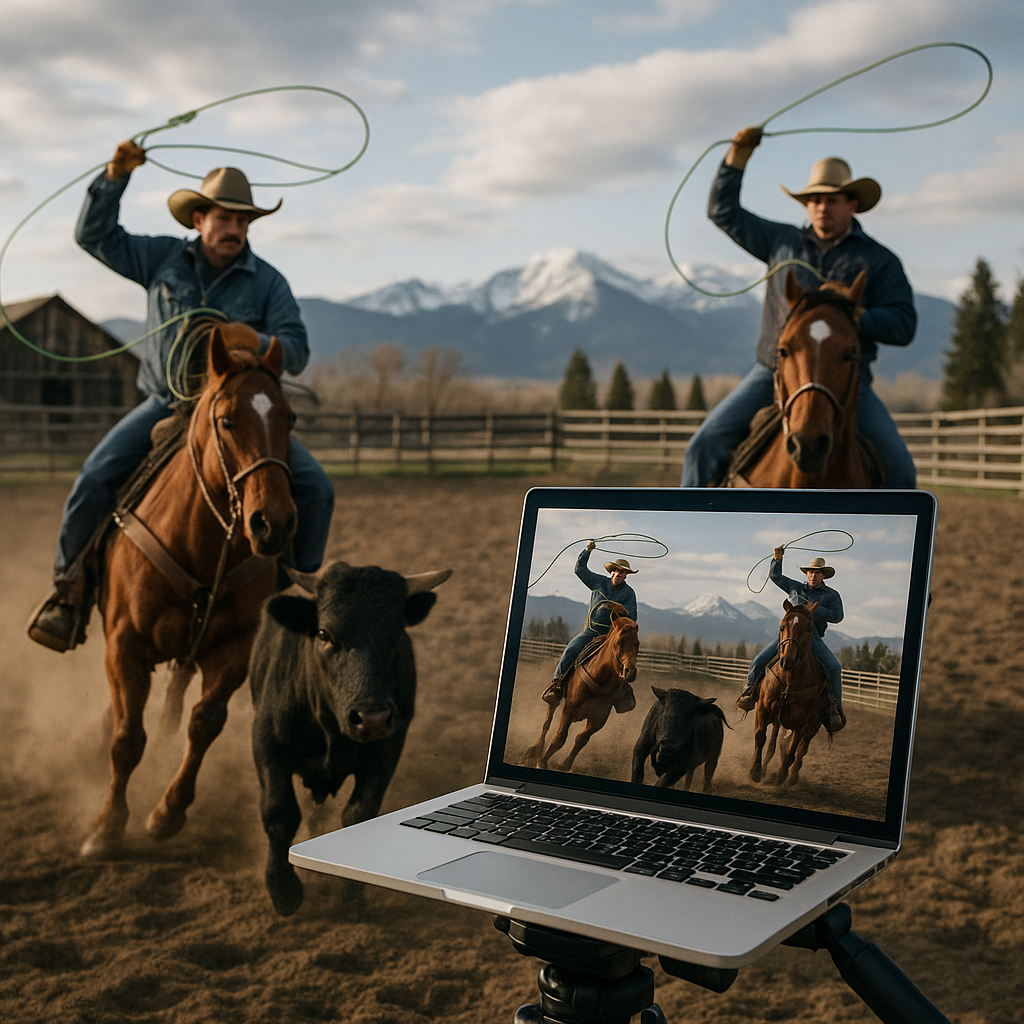
Montana Team Ropers Are Going Digital: What a Streamed Clinic Can (and Can’t) Replace
In a state where winter roads can shut down a weekend haul and calving season eats the calendar, it’s no surprise Montana ropers are taking a harder look at online education. Reports indicate a new streamed team roping clinic featuring Ryan Motes is being offered through Roping.com, adding to the growing menu of subscription-based instruction […]
College rodeo scholarships: what Montana families should ask before the next entry fee
Across the Northern Plains, more high school rodeo athletes are looking at college programs not just as a place to compete, but as a path to education—sometimes with scholarship help. Reports from regional rodeo coverage highlight how certain events and circuits are being used as recruiting touchpoints, giving top competitors a chance to get in […]
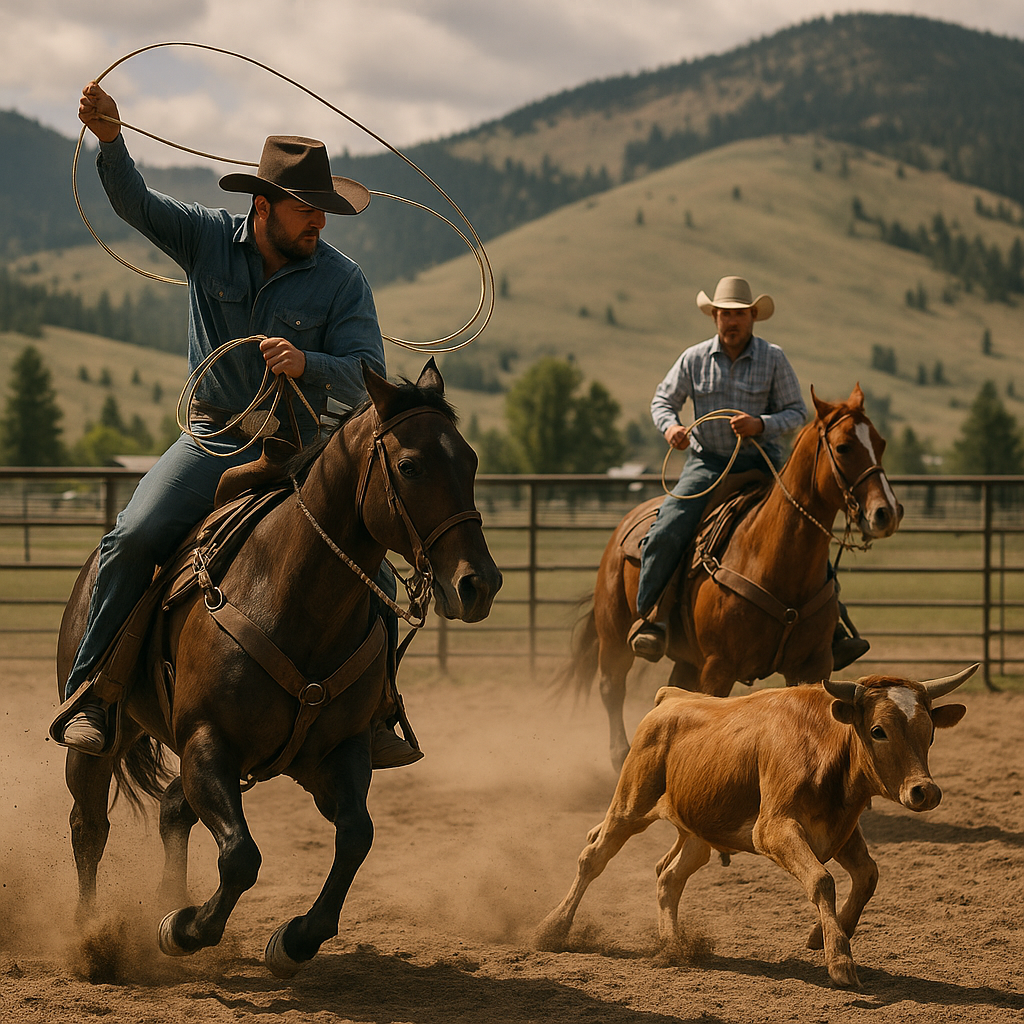
Montana Team Ropers: How to Get More Runs In Without Burning Out Your Horse
Across Montana, team ropers are finding more ways to stay sharp between big weekends—practice nights, small jackpots, and traveling clinics that focus on fundamentals. The common thread isn’t just getting more runs; it’s getting better runs. With fuel and entry fees still adding up, many ropers are looking for practice setups that build timing and […]
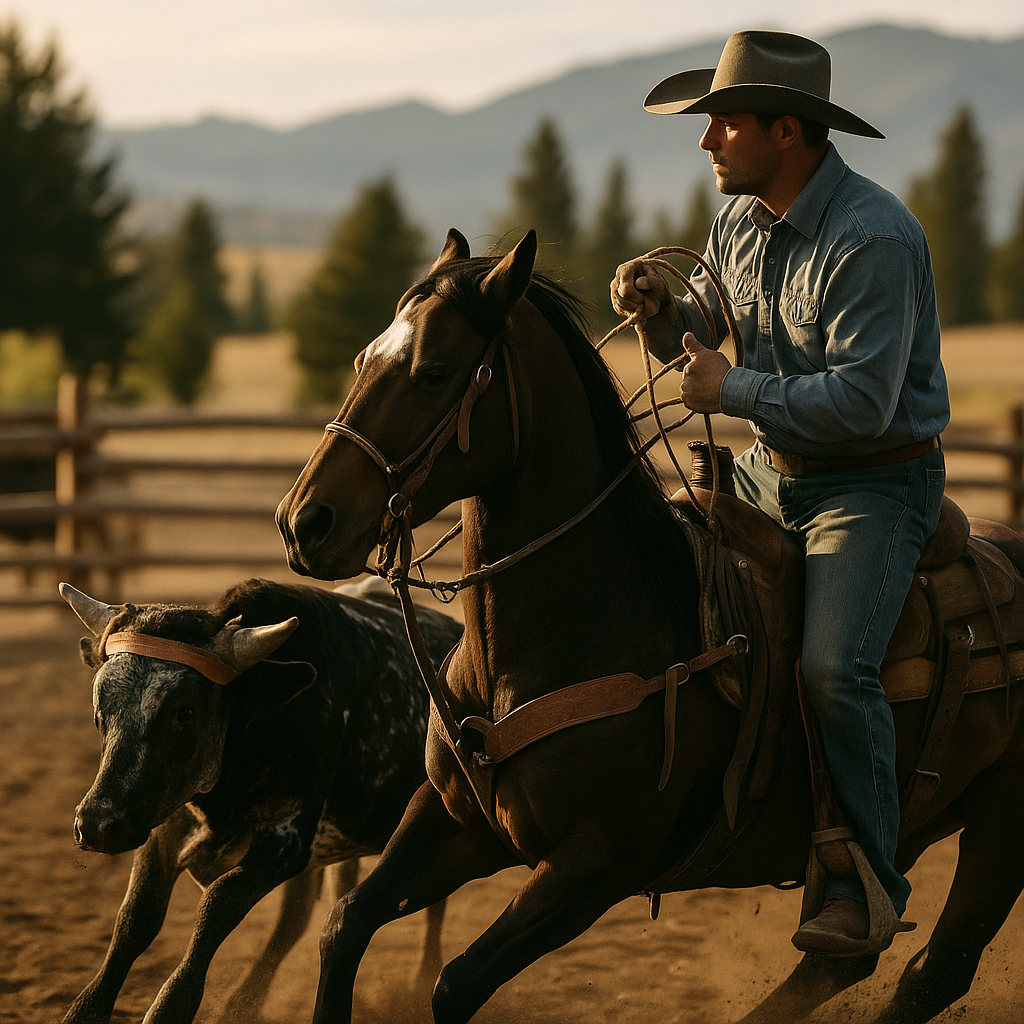
What Makes a Great Heel Horse: Lessons Montana Ropers Can Use This Season
In team roping, the header gets the first look, but the heeler’s horse often decides whether the run turns into a paycheck or a no-time. The best heel horses don’t just run fast—they manage distance, stay square, and make the hard part look ordinary: getting to the right spot, at the right speed, every time. […]
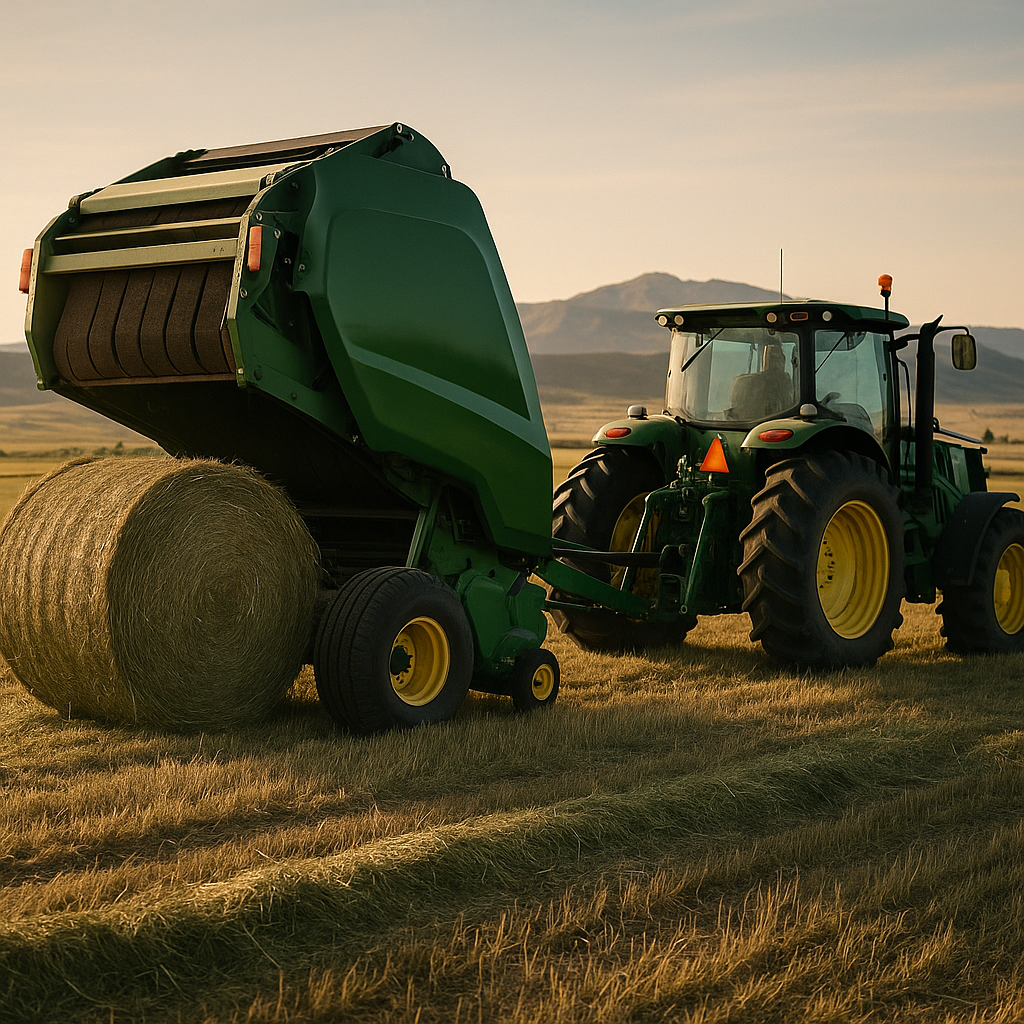
Round baler upgrades: what Montana hay crews should watch in Deere’s newest lineup
As hay season planning starts long before the first windrow hits the ground, equipment announcements tend to catch Montana producers’ attention—especially when they promise more flexibility and fewer headaches in the field. Reports indicate John Deere has introduced a new round baler aimed at versatility and dependable performance, a combination that matters when you’re chasing […]
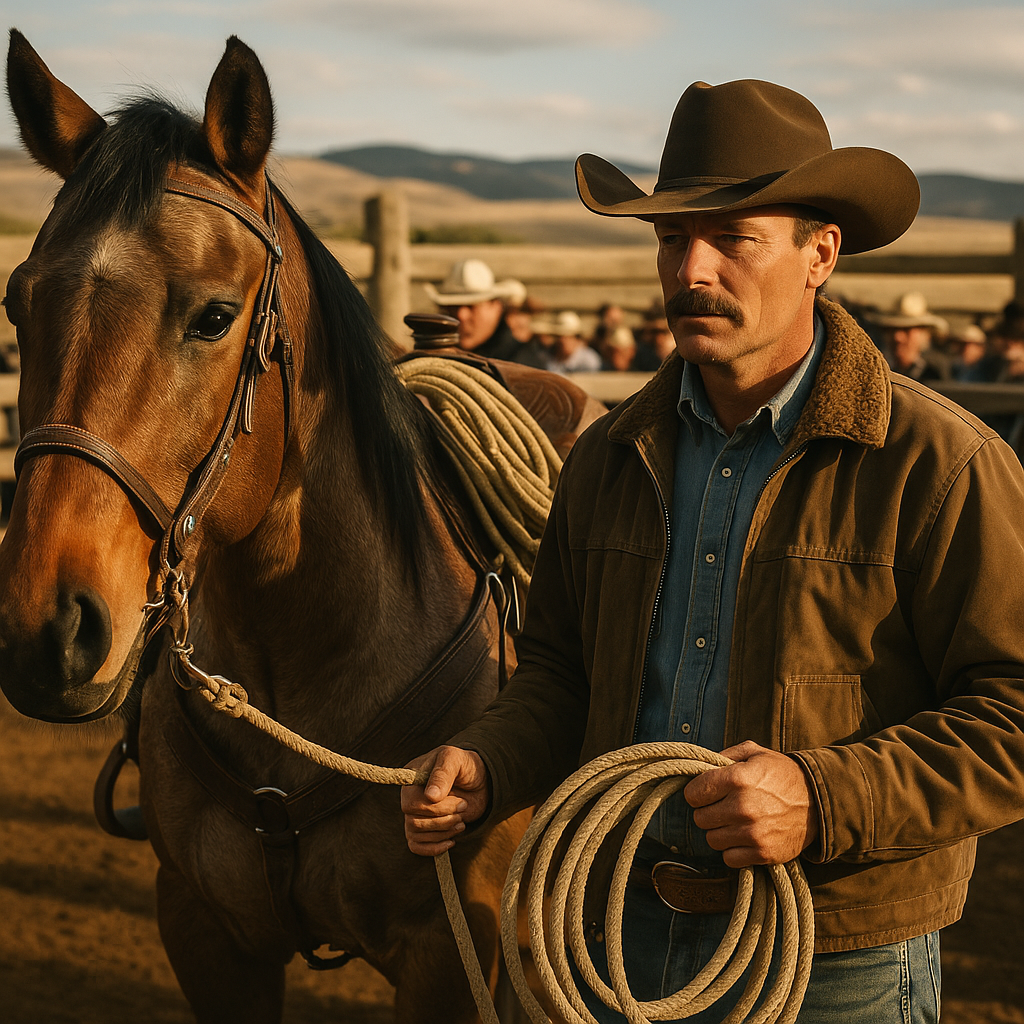
What a Big Rope Horse Sale Signals for Montana’s Ranch Horse Market
Across the West, good rope horses aren’t just a rodeo luxury—they’re working tools that can make a day in the branding pen smoother, safer, and more efficient. Reports out of Texas about a returning, ranch-backed rope horse sale are a reminder of what’s moving the market right now: proven programs, consistent handling, and horses that […]
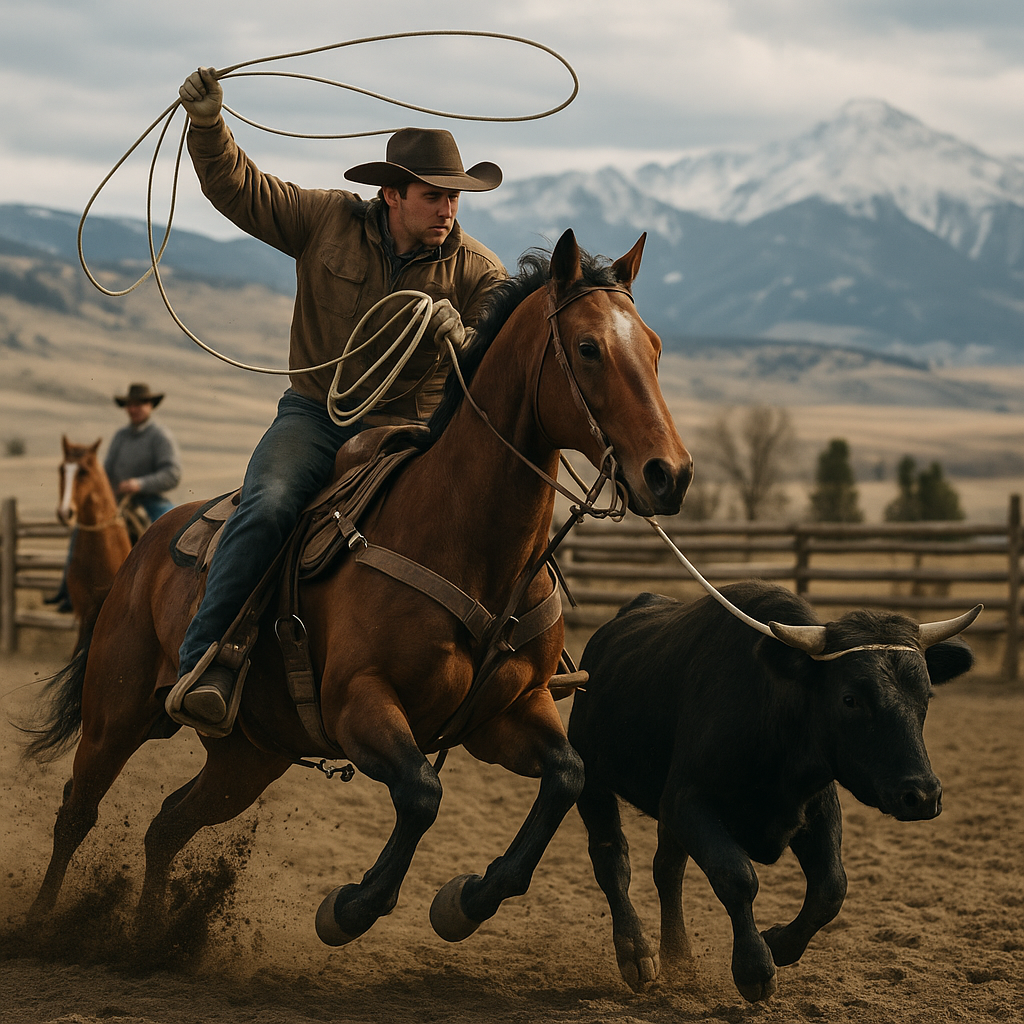
What a Seven-Figure Rope Horse Says About Today’s Ranch-Horse Market
Every so often, a horse sale number hits the roping world like a branding-iron sizzle. Recent reports out of the team roping scene point to a rope horse bringing around $1.7 million—a figure that’s hard to wrap your head around whether you rope on weekends or make a living horseback. Quick takeaways Reports indicate an […]
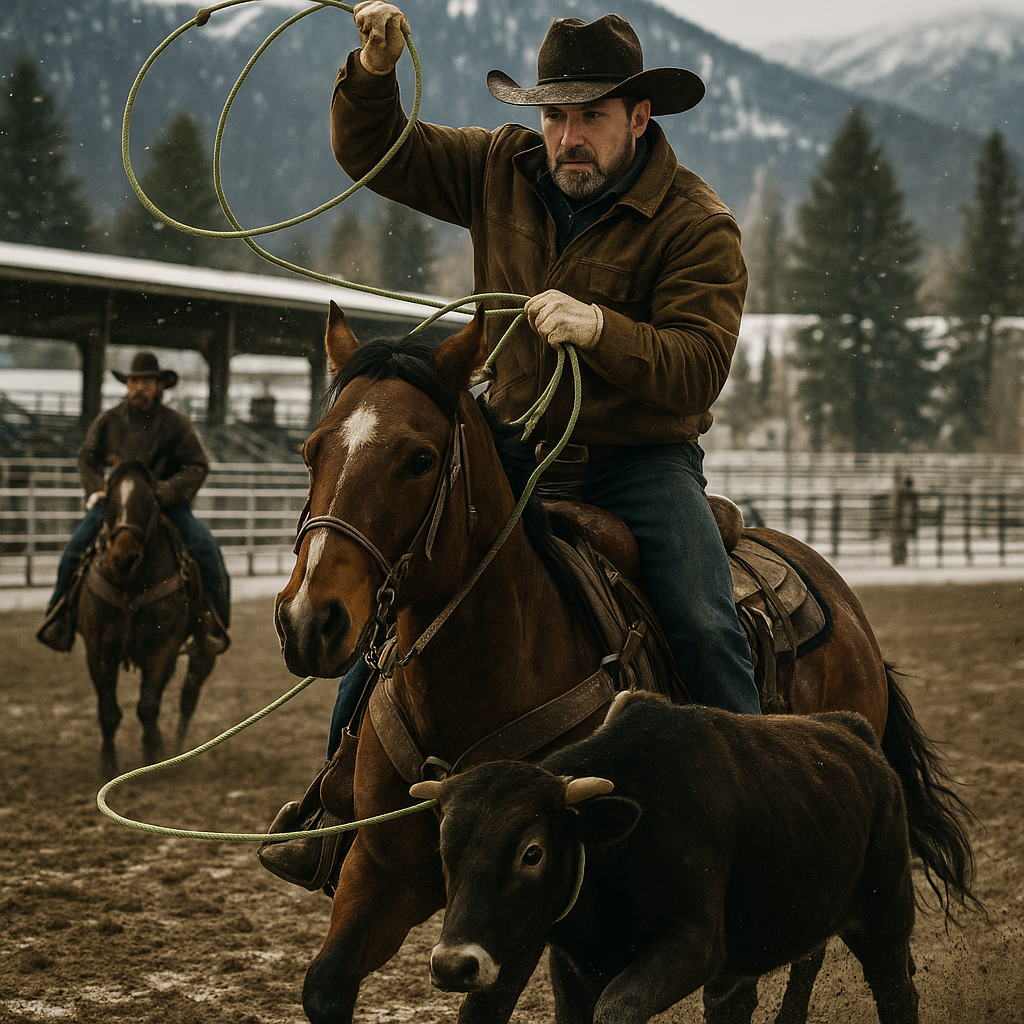
Winter Roping Season Rolls On: What an Arizona ‘406’ Rodeo Says About the Draw for Montana Hands
Winter is when a lot of Montana horse and roping folks point the truck south. Shorter days at home, frozen ground, and a calendar full of jackpots and rodeos in warmer country make it the natural time to tune up horses, stay sharp, and chase a little winter money. Quick takeaways: Reports indicate a returning […]